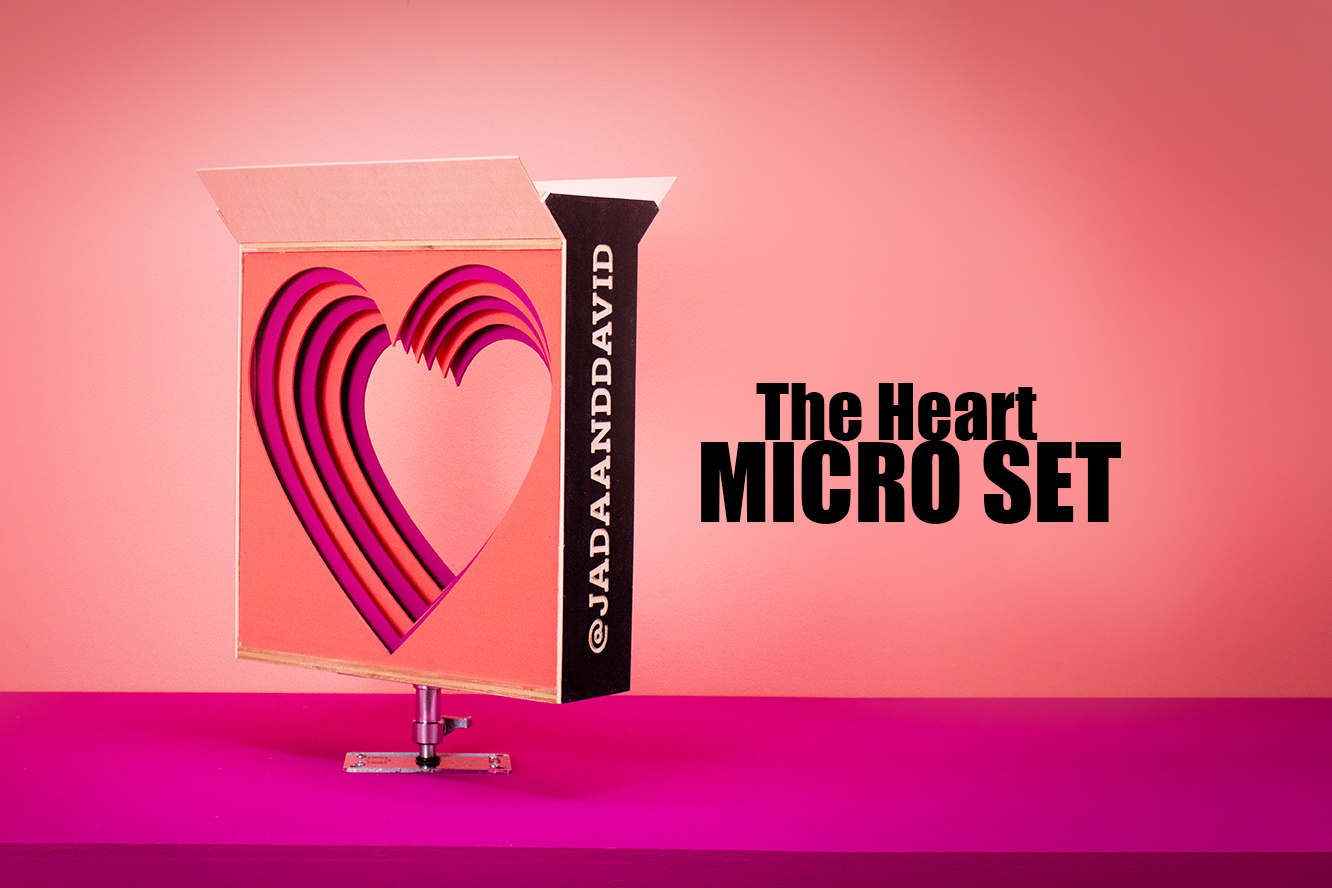

Learning how to build a flat opens the door to endless creative possibilities.
Instead of spending hundreds of dollars on new backdrops every time you want to change the look of a shoot, you can build a flat once and repaint it over and over again. One solid color. Color blocking. Stripes. Graphic shapes. Anything you can imagine.
And the real magic happens when you start configuring flats in different ways.
Flats are not just backgrounds. They are building blocks.
Here is a breakdown of what you can create as you scale from one flat to three, and beyond.
What You Can Build With 1 Hollywood Flat
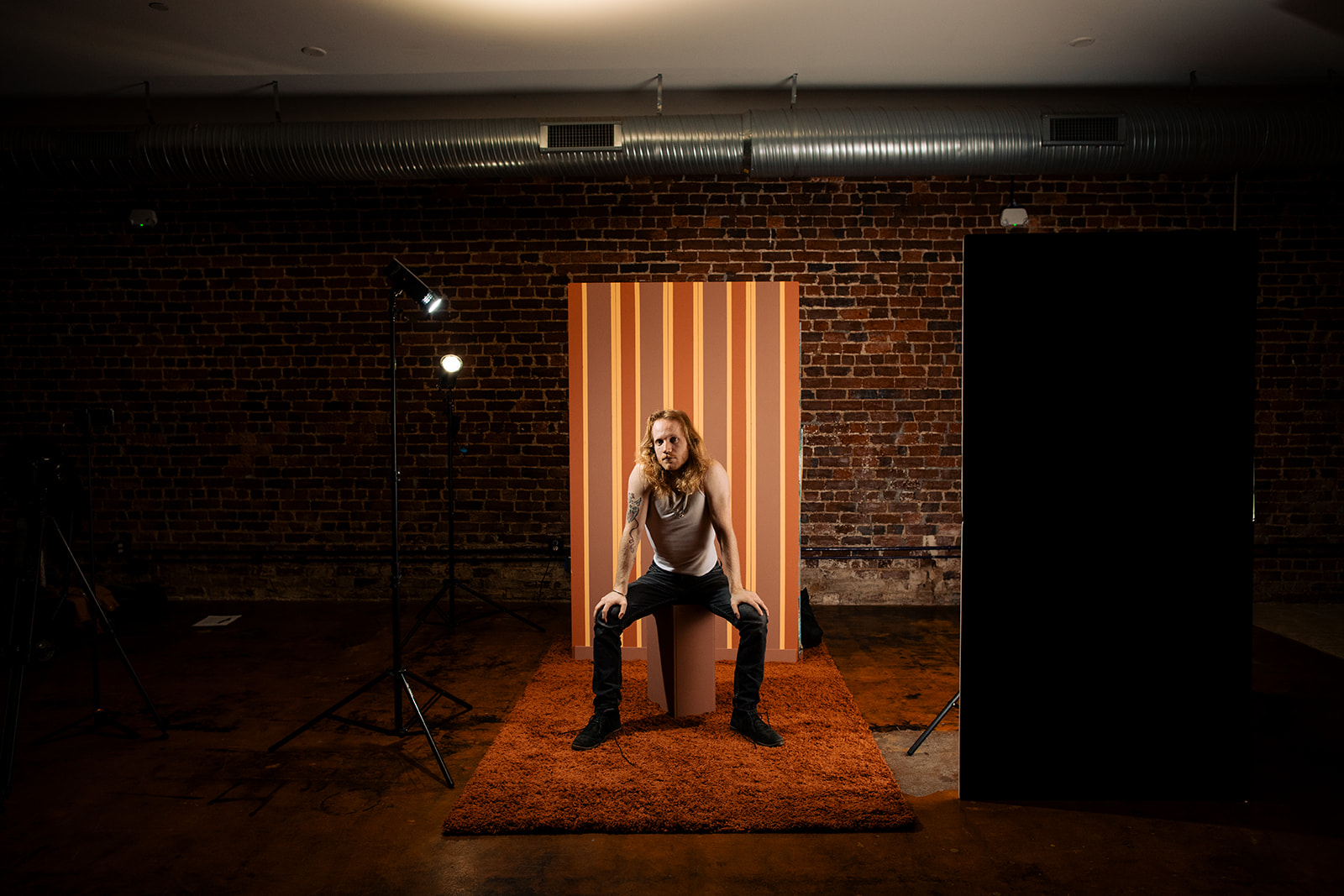


With one flat, you have a clean, intentional backdrop that you control completely.
One flat is perfect for:
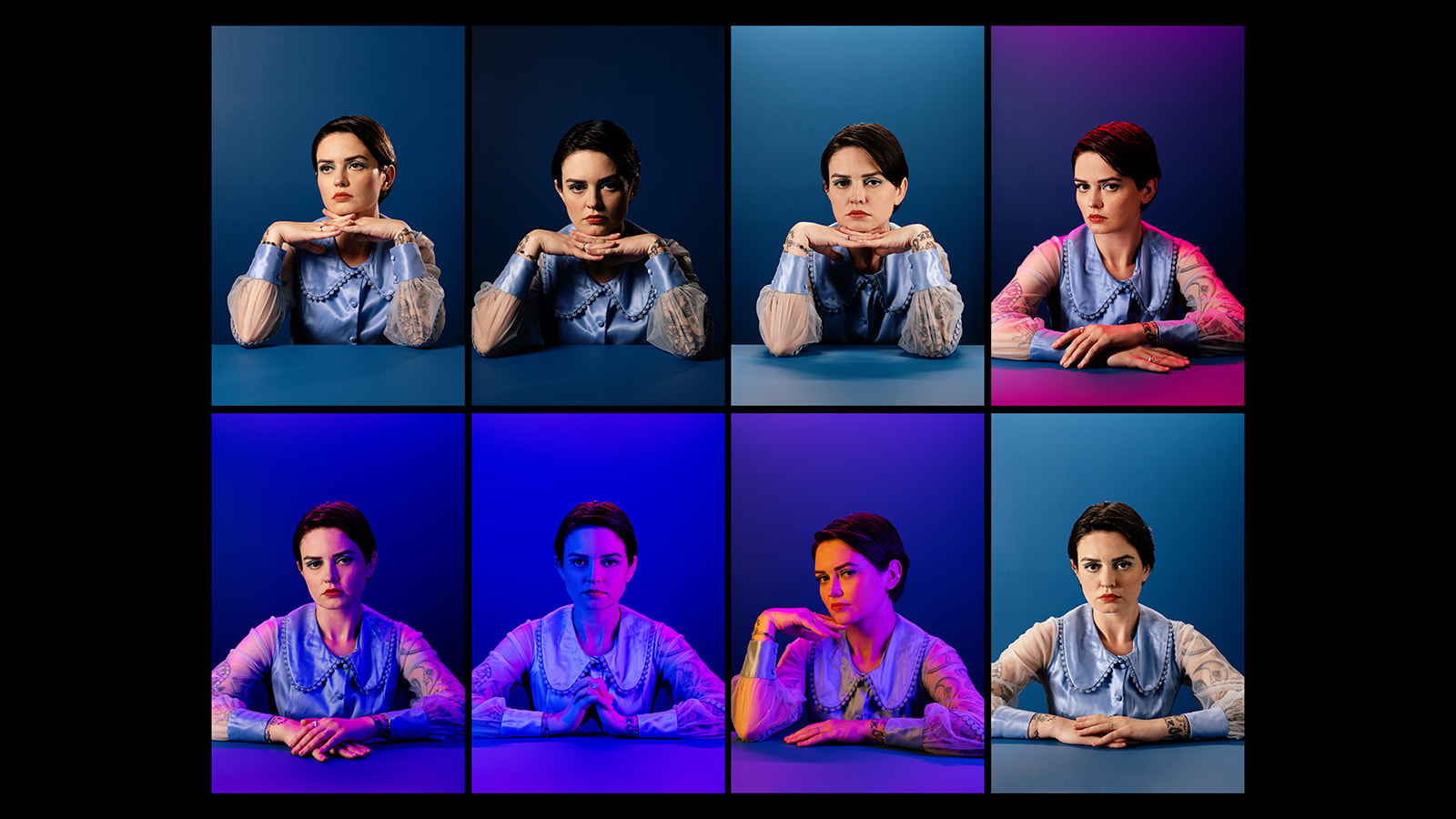
- Portraits
- Headshots
- Editorial-style images
- Product photography


Because you can paint it any color, one flat already gives you far more flexibility than a store-bought backdrop. You can keep it minimal, go bold with color, or repaint it whenever you want a new look.
This is where most people start, and honestly, you can do a lot with just one flat.
What You Can Build With 2 Hollywood Flats
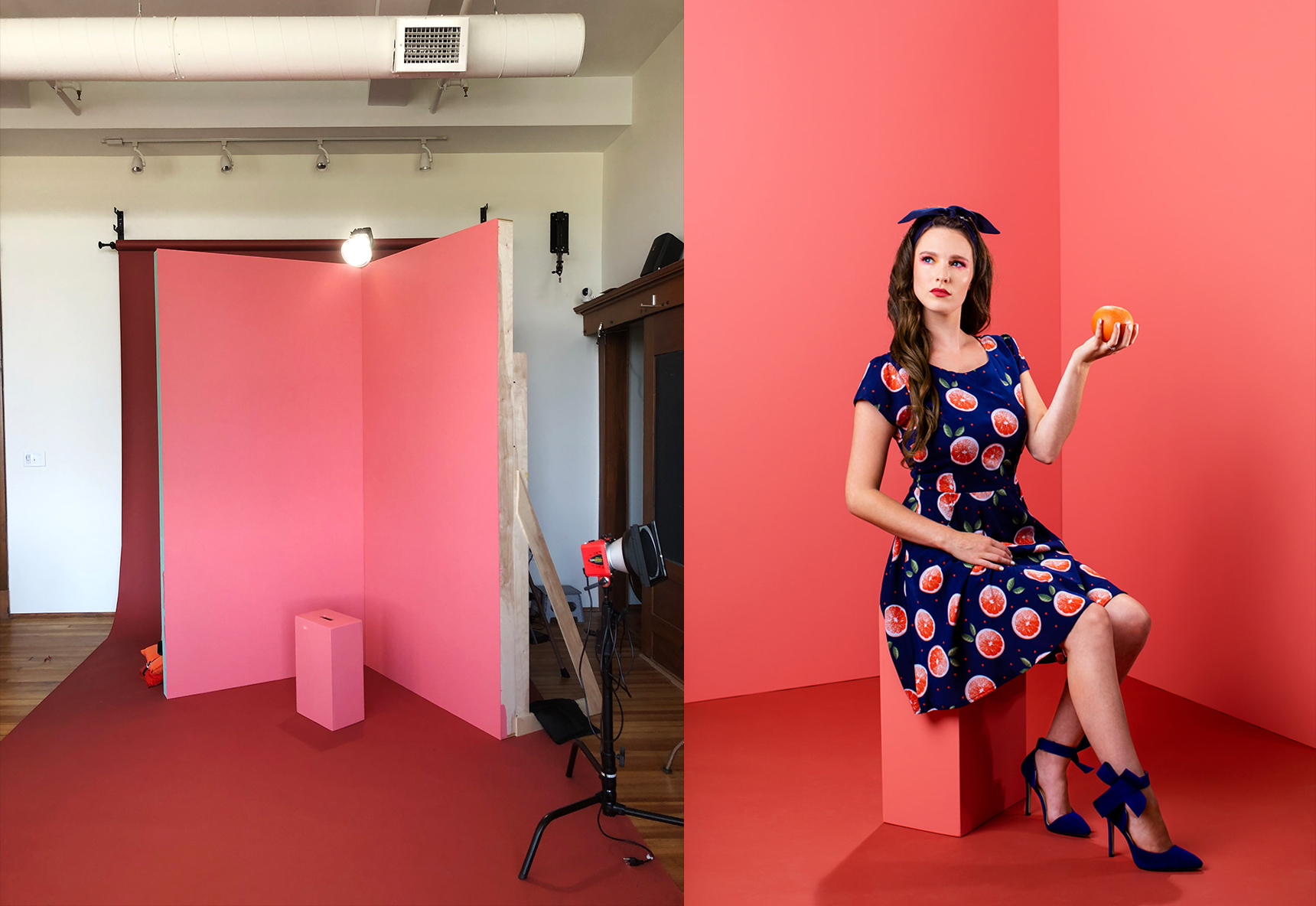
With two flats, things start to feel dimensional.
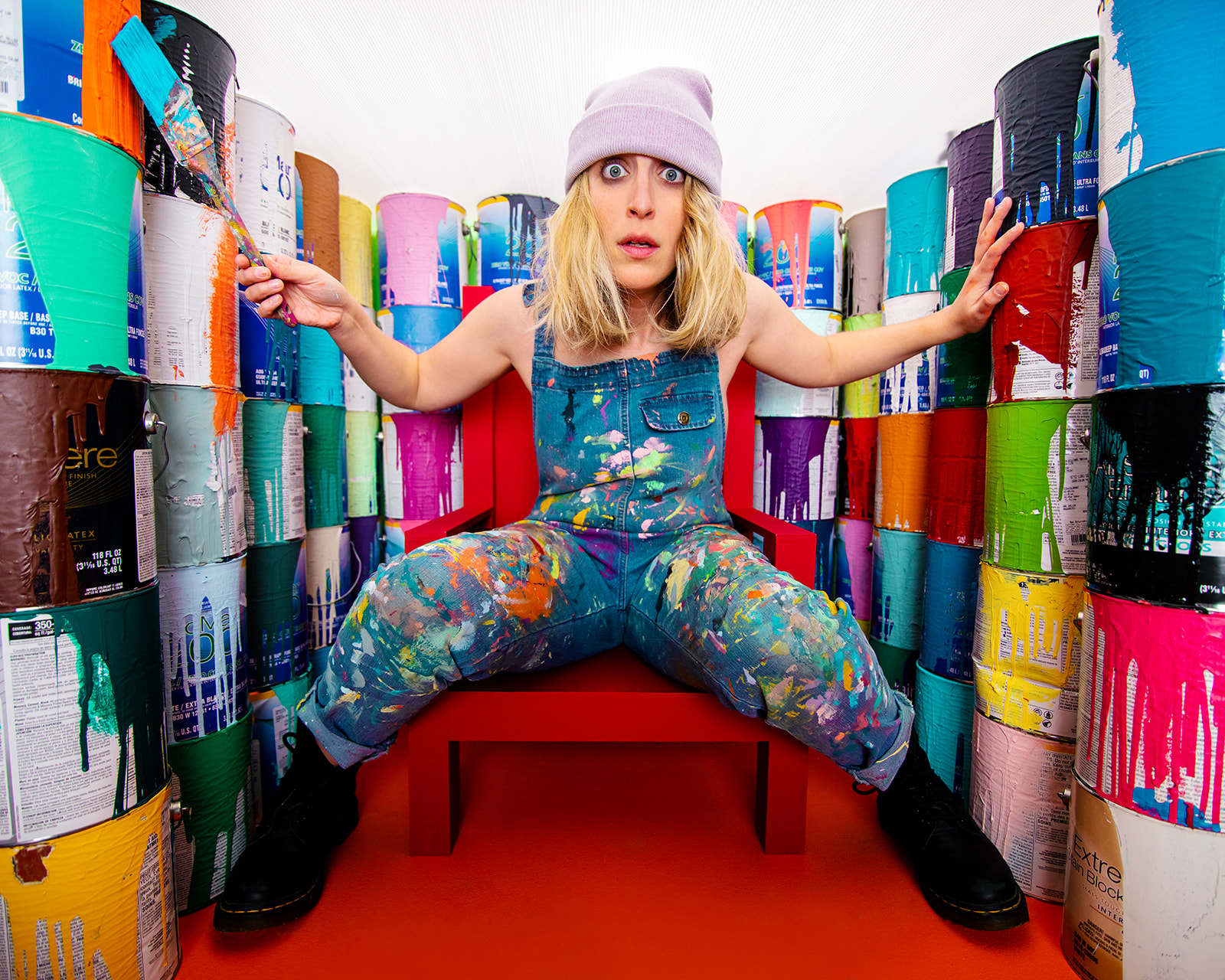
Two flats allow you to create a corner, which immediately adds depth and realism to a set. Corners give your subject a sense of place instead of floating in front of a background.
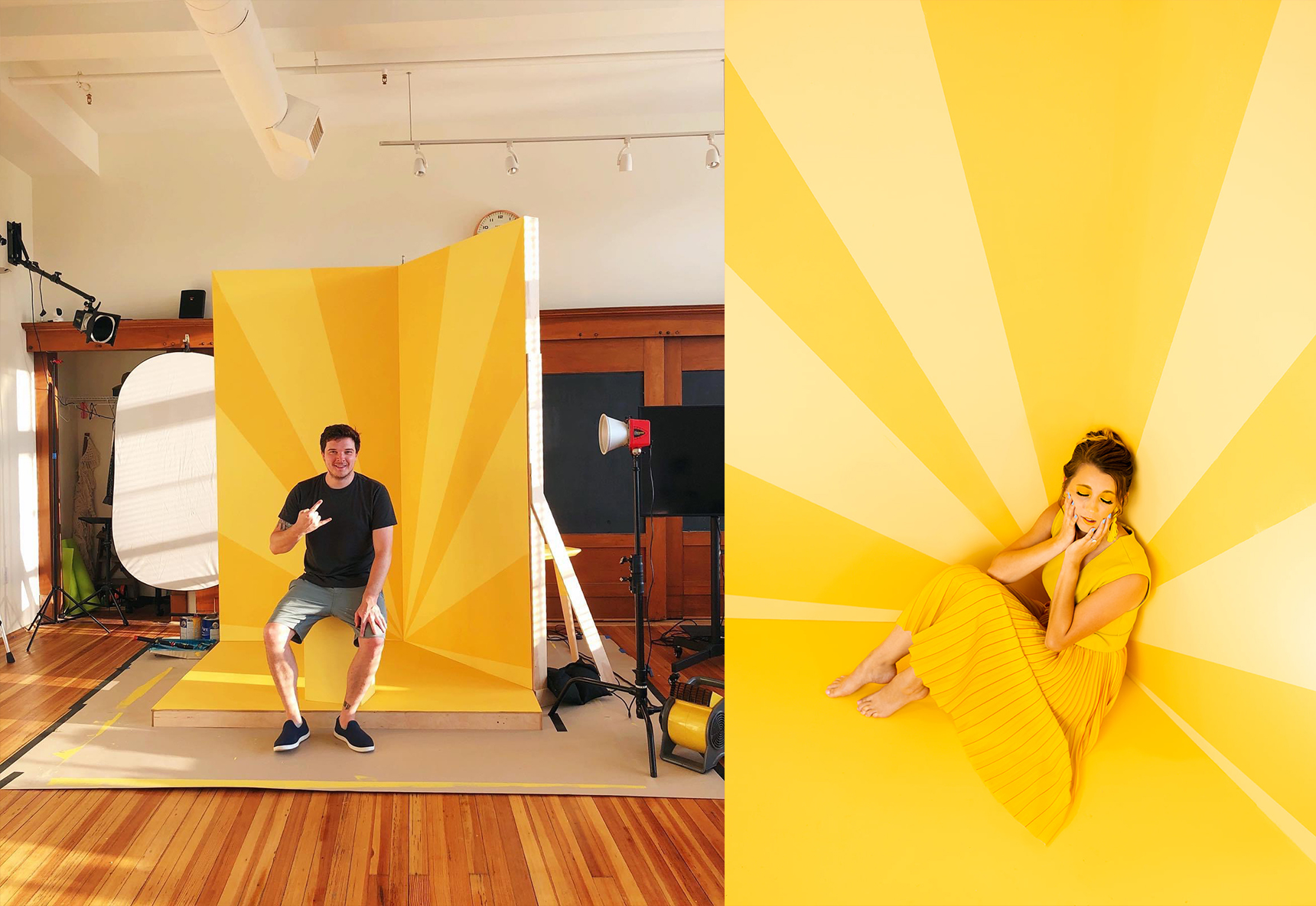
With two flats, you can:
- Create a room-like environment
- Play with shadows and perspective
- Make sets feel more immersive
- Create a larger backdrop
This is where sets start to feel intentional rather than improvised.
What You Can Build With 3 Hollywood Flats
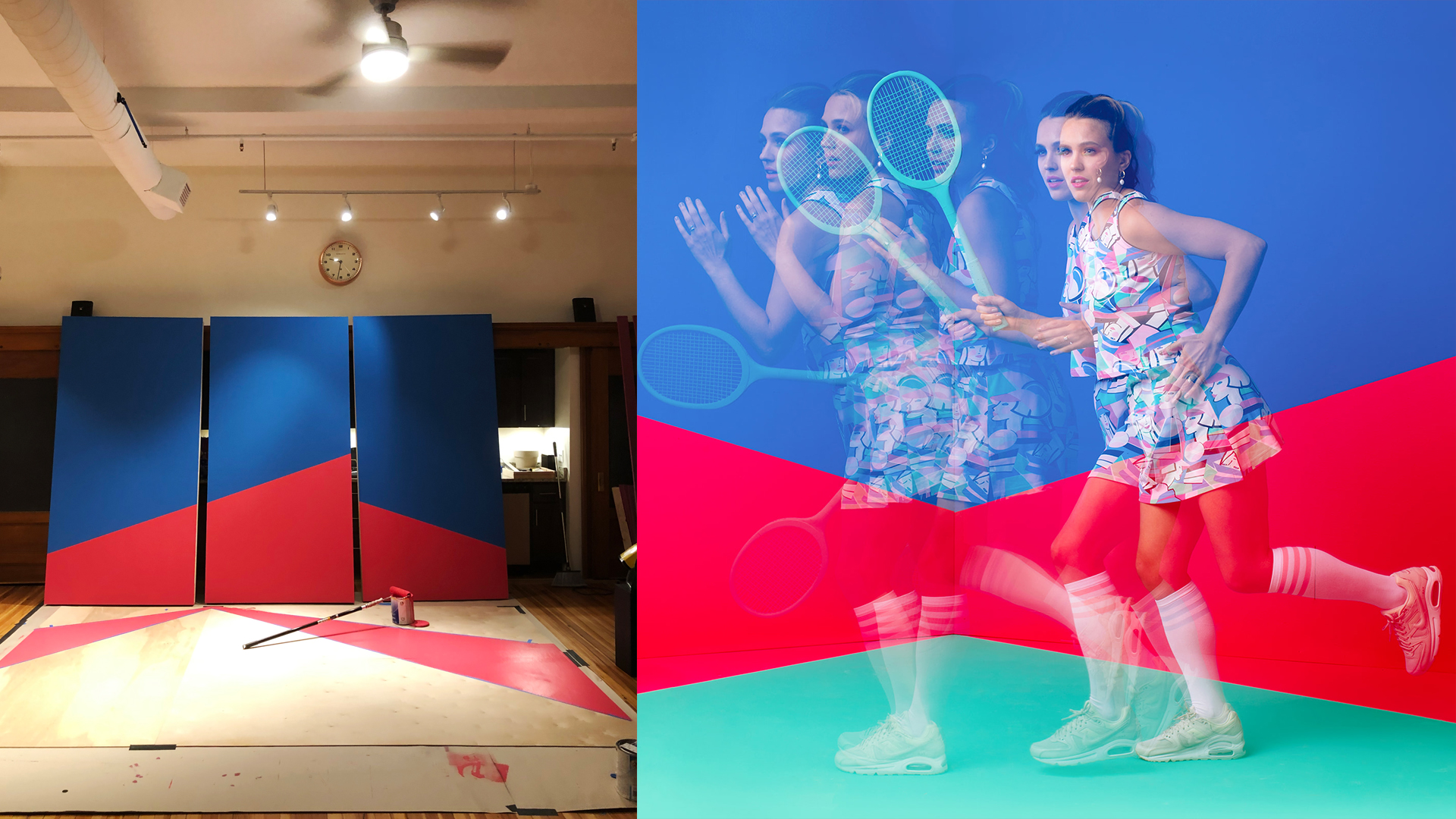
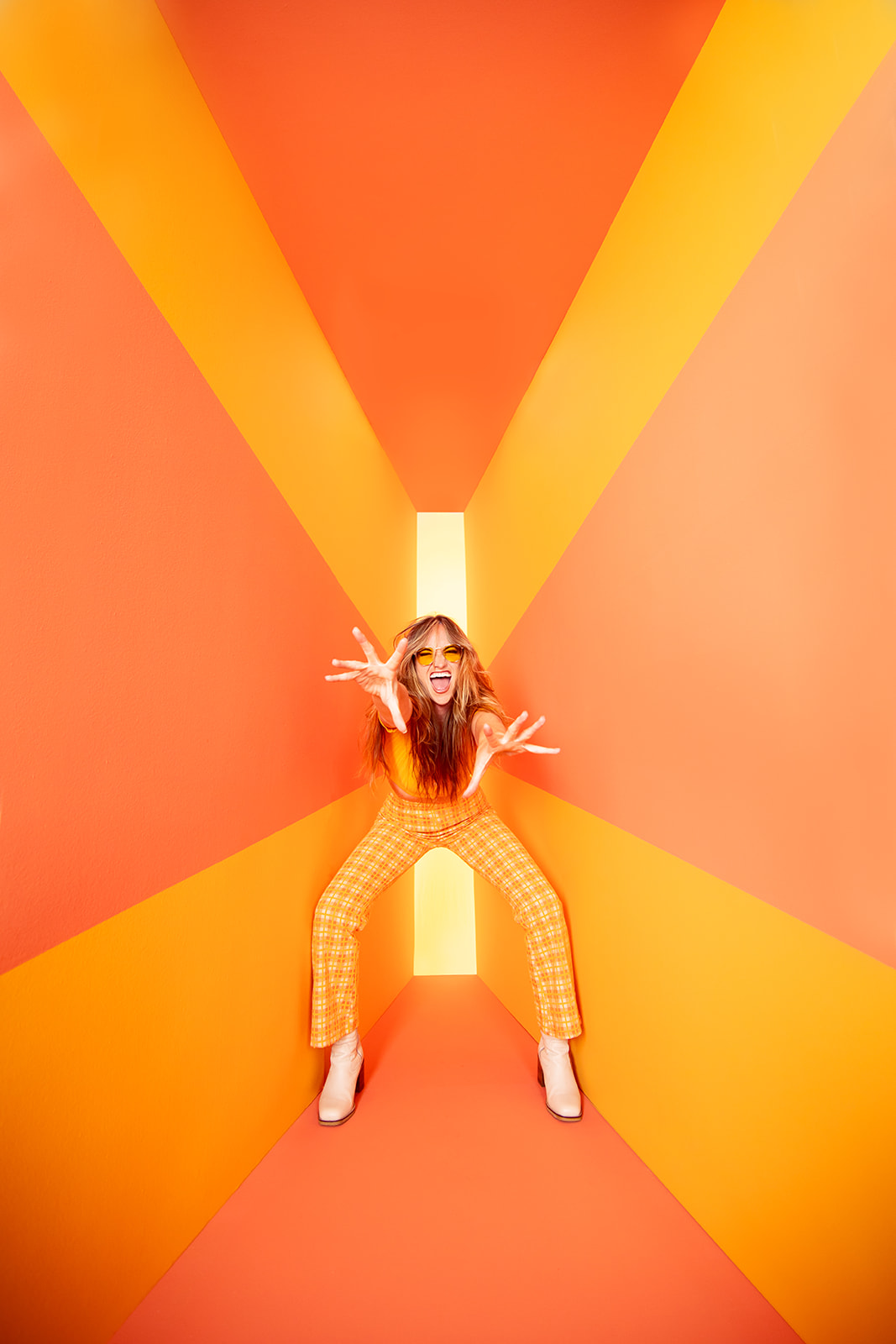
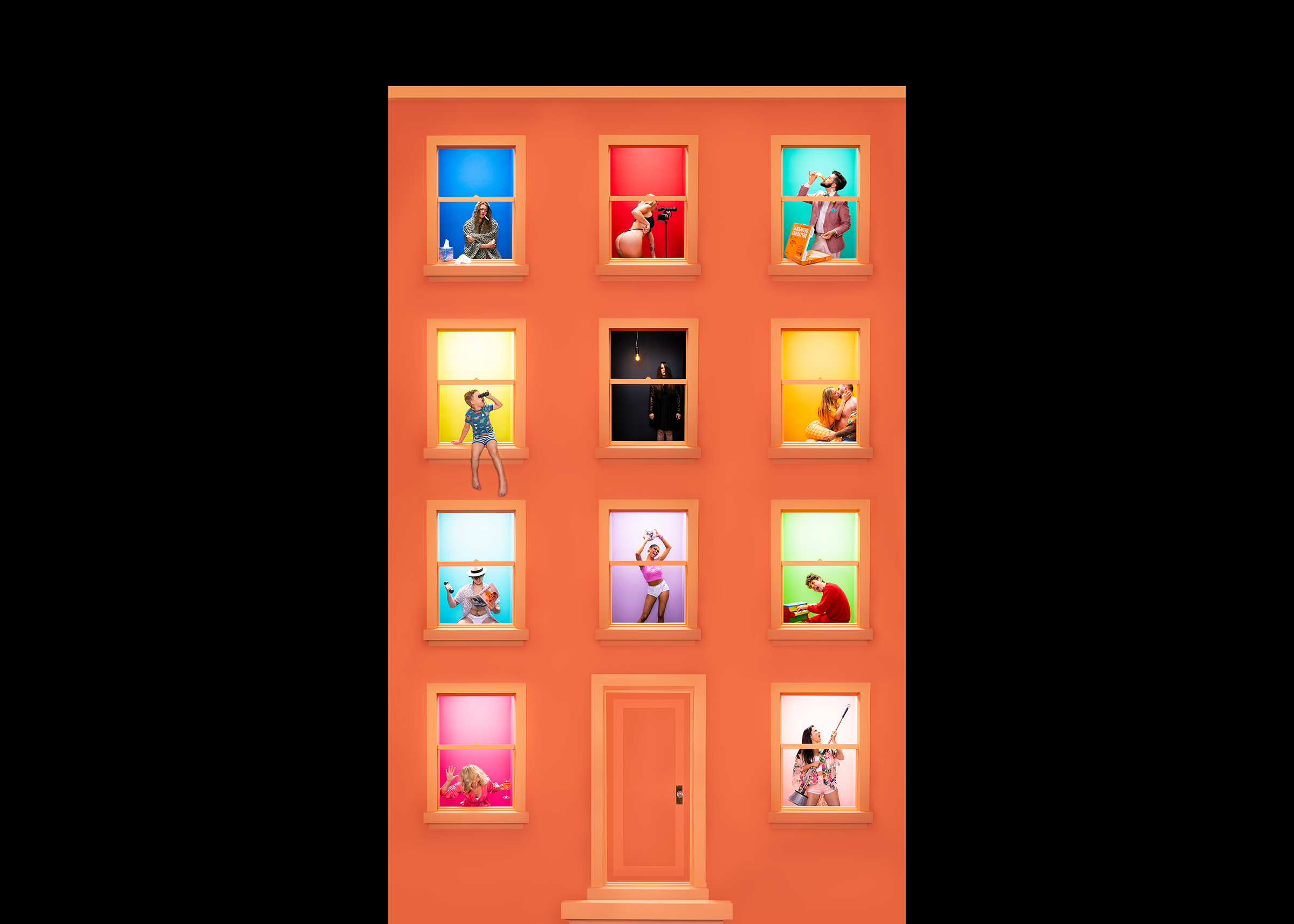
With three flats, you are no longer thinking in terms of backdrops. You are building spaces.
Three flats can create:
- A partial room
- A hallway
- A fully immersive set
- A large backdrop


At this point, you are designing sets, not just backgrounds. And from here, it just keeps going.
The more flats you have, the bigger and more complex your sets can become.
Why Flats Grow With You

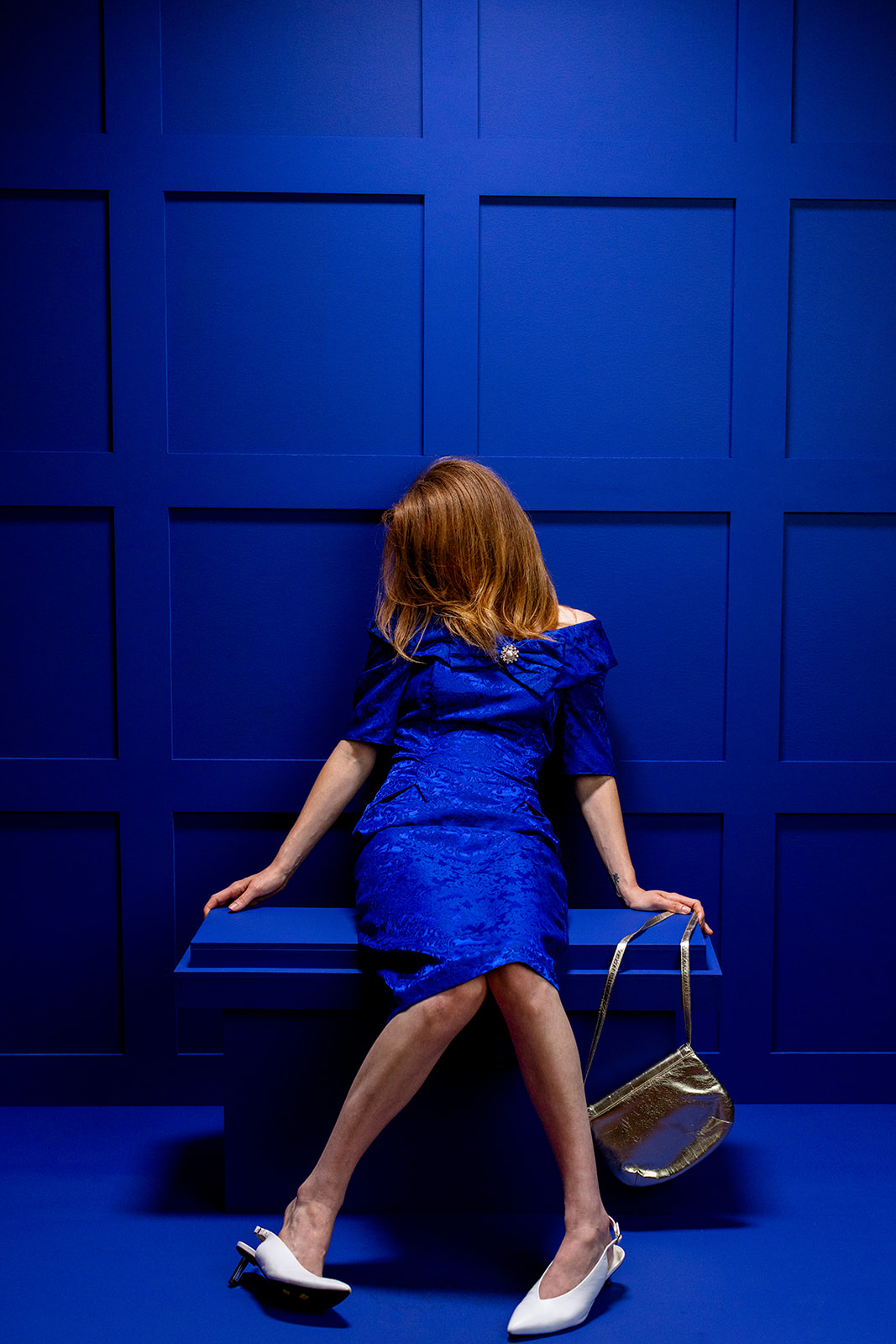
As your woodworking skills progress, flats grow with you.
You can start adding:
- Trim
- Molding
- Texture
- Built-in elements
- Architectural details
A flat does not have to stay flat forever. It can evolve into something with personality and character, helping you create more defined spaces and stronger visual stories.
Why Our Flat Building Course Is the Perfect Starting Point
1.jpg)
Our Flat Building Course is designed for creatives who want to start exploring set design but do not know where to begin.
In the course, David teaches you how to build a flat from start to finish using minimal tools. He walks through a traditional method that is beginner friendly and accessible, even if you are new to woodworking.
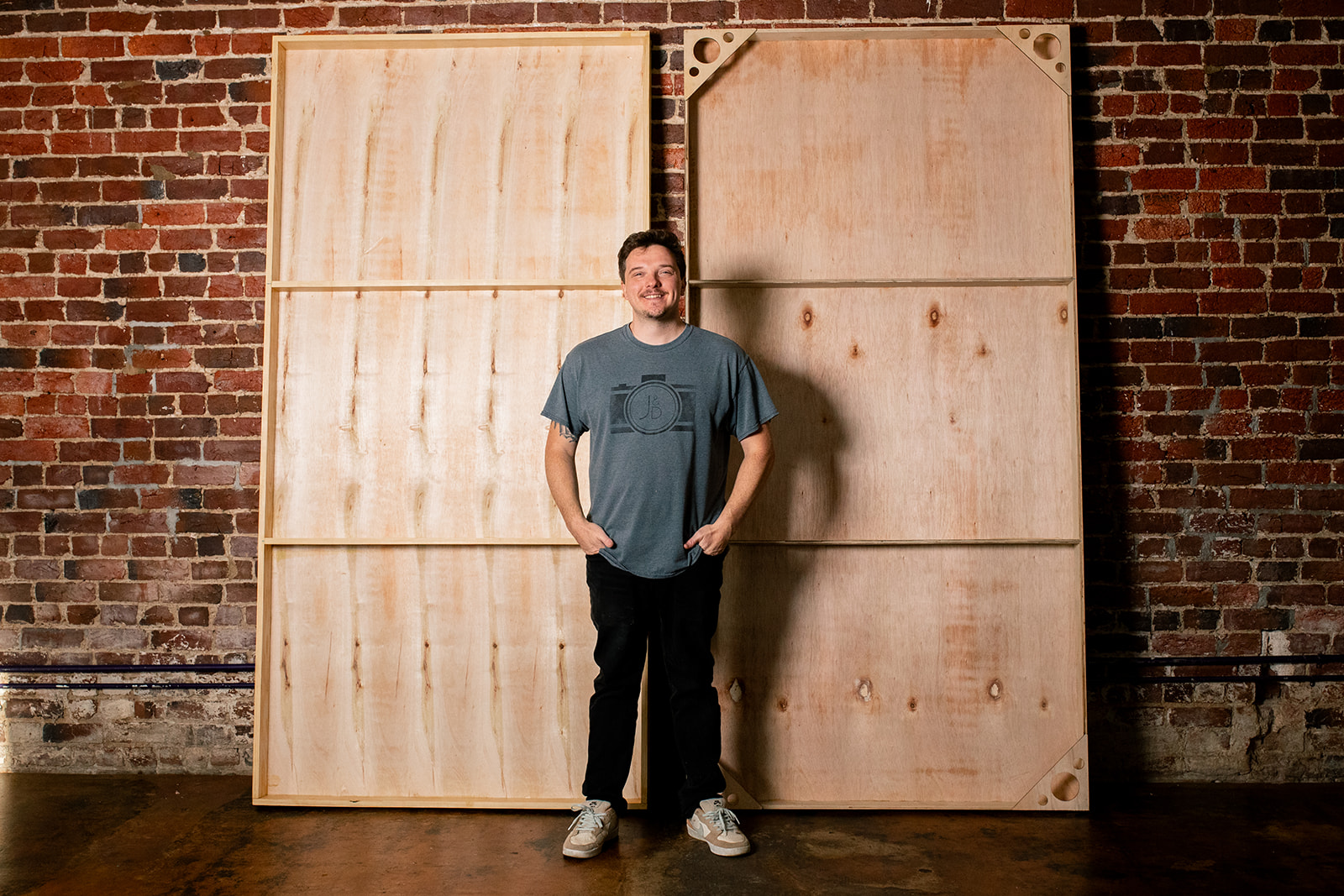
He also teaches a more advanced method he has developed over time. This approach creates flats that are lighter, sleeker, and more cost-effective once your woodworking skills have progressed and you have access to additional tools.
Both methods lead to the same result. A flat you can reuse endlessly and build upon as your ideas grow.
If you have ever wanted more control over your sets, more flexibility in your shoots, and a more intentional approach to creating environments, learning to build flats is the foundation.
And once you learn how to build one, you can build anything.