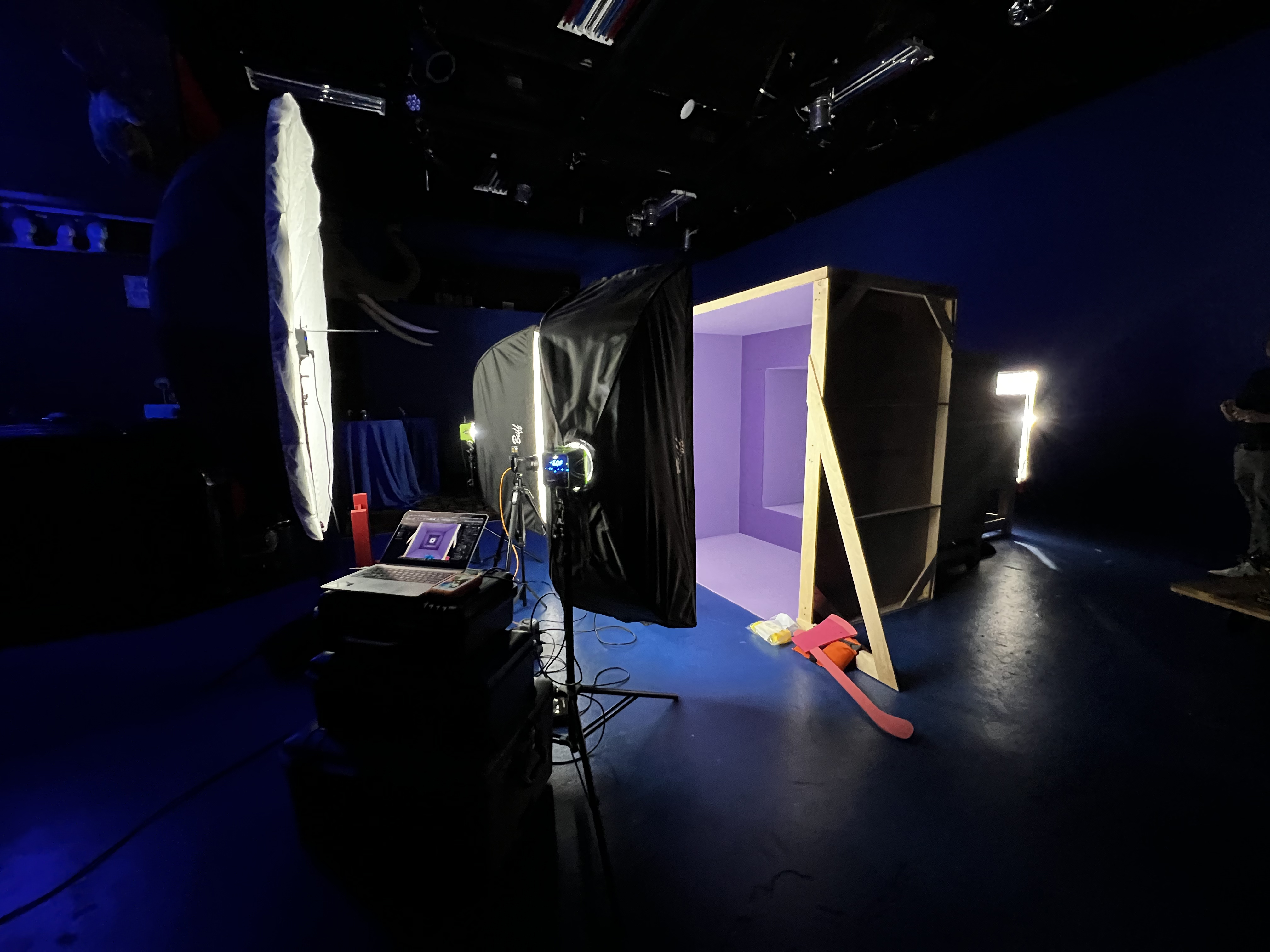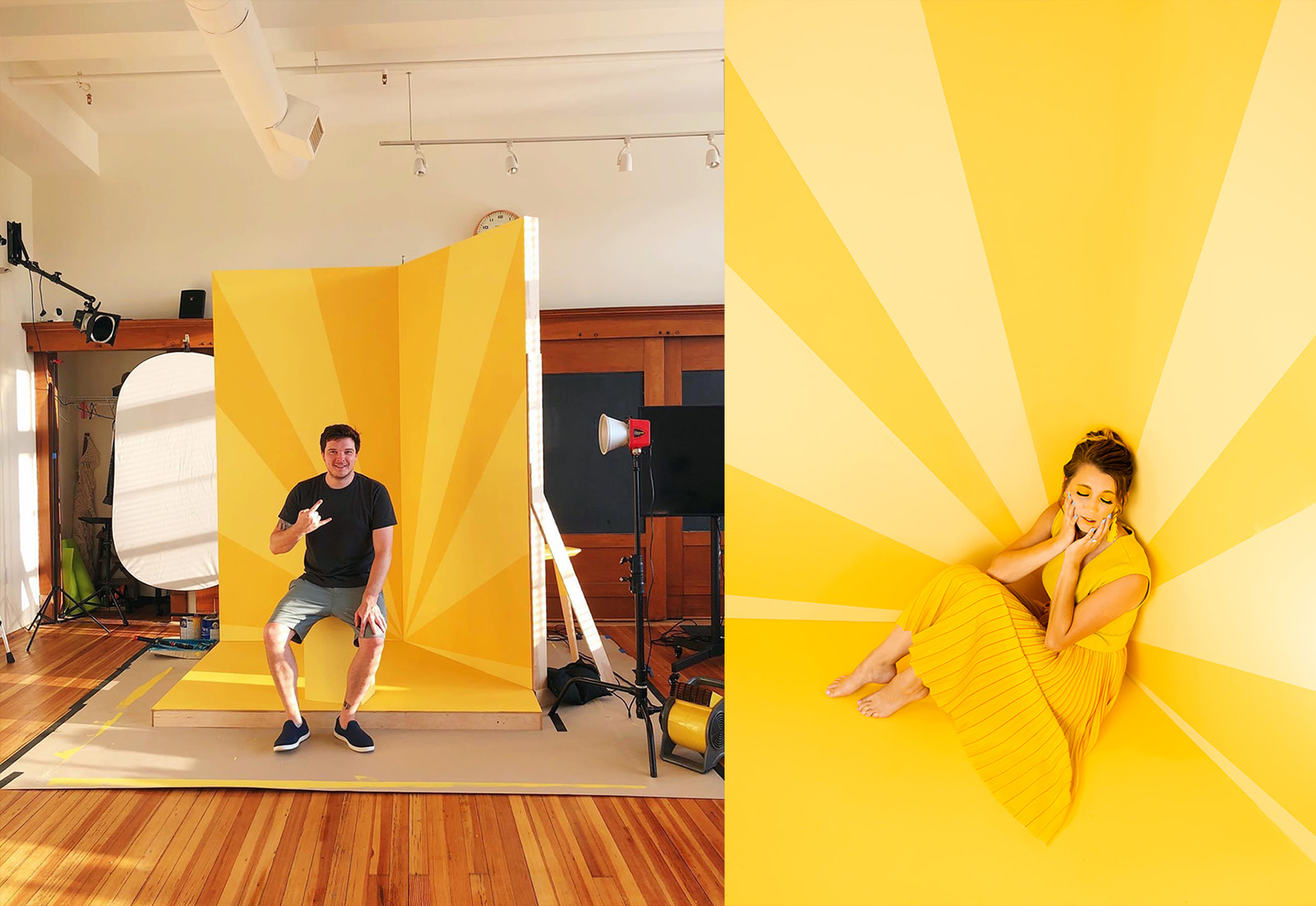

Want to learn how to build your own photo sets?
We are launching a new Set Building Course where David teaches you how to build a Hollywood flat from start to finish. Step by step. No assumptions. No gatekeeping.
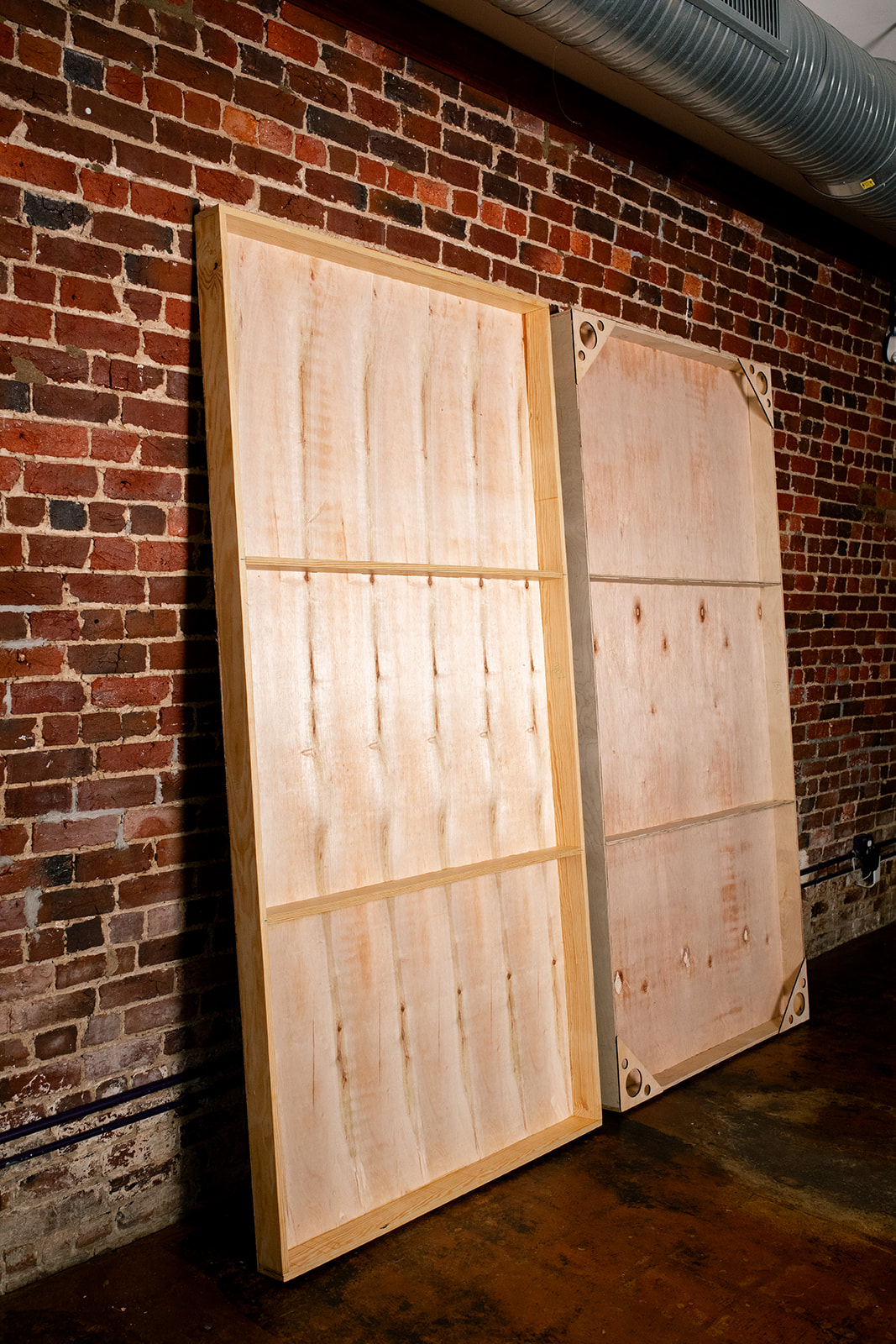
A flat is essentially a fake wall. But calling it that does not really do it justice.
It is a lightweight wooden structure that can be painted any color, reconfigured endlessly, and used to build custom sets over and over again. Once you understand how flats work, you stop thinking in terms of backdrops and start thinking in terms of space.
What Are Hollywood Flats, Really?
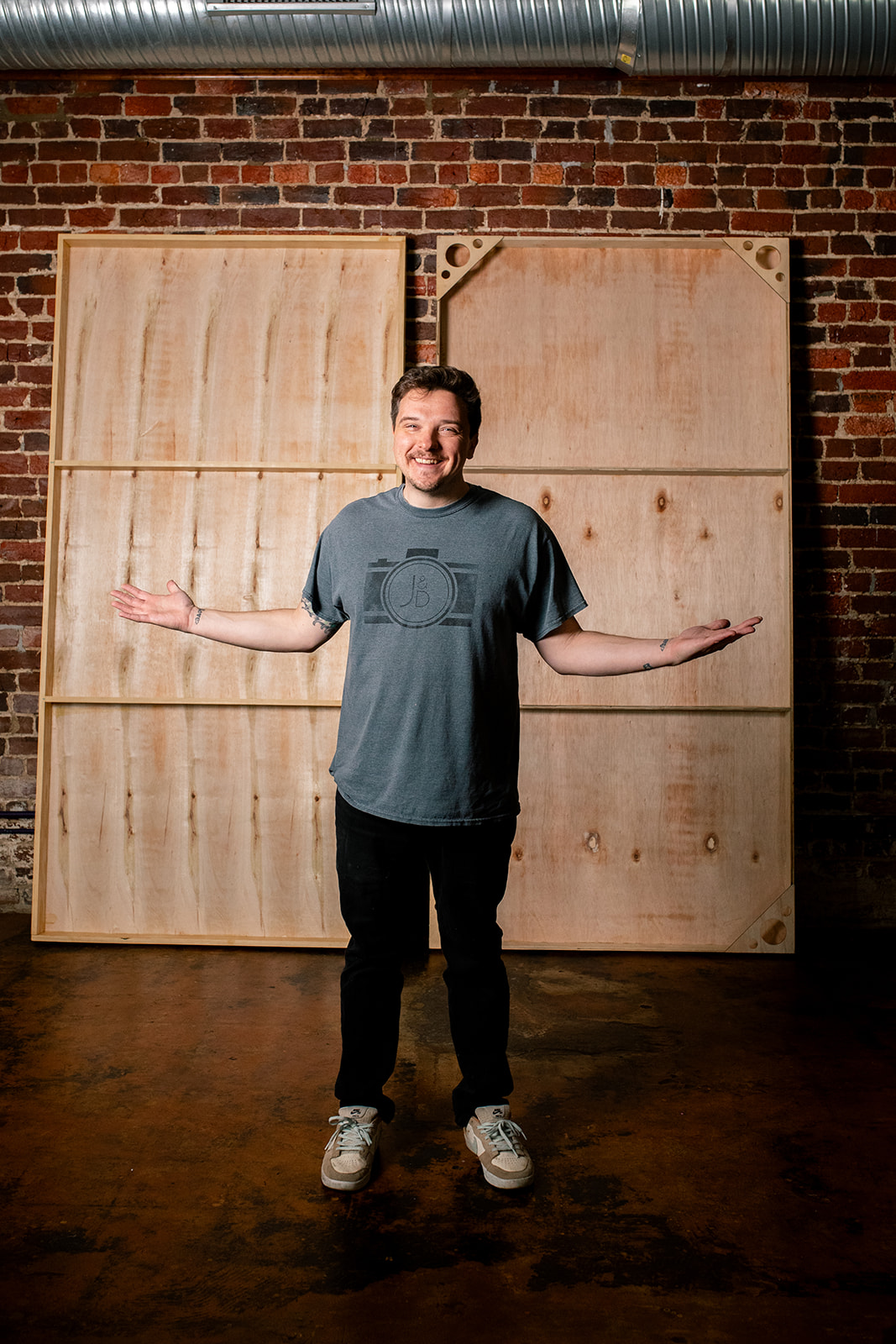

Big sets are never built all at once. They are built in pieces.
Those pieces are called flats.
Think of them like giant Lego blocks for set design. Each flat is a one wall section. When you connect multiple flats together, you can build rooms, corners, hallways, backdrops, or entire environments. Once you know how to build one flat, you can build as many as you want and scale your sets as big or as small as you need.
Every single set we have built over the years starts with flats. They are the foundation of our work.
Why Flats Are So Powerful
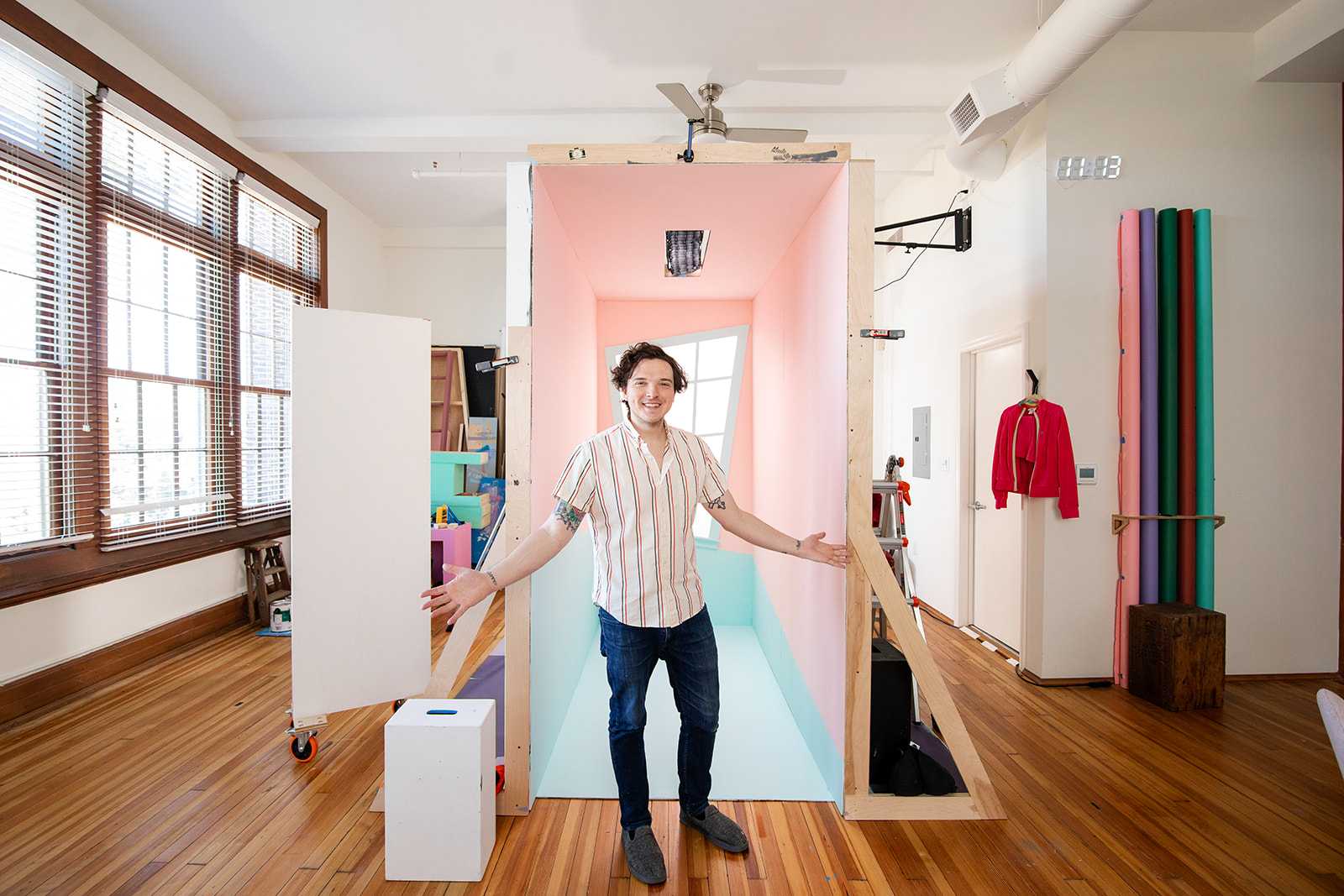
Flats give you control.
They are made of wood, but they are lightweight and easy to move. They can be painted, sanded, repainted, and reused endlessly. You are no longer limited to what backdrop colors exist or what everyone else is using.
Instead of searching for the perfect background, you build it.

Instead of repeating the same look, you create new spaces whenever you want.
That kind of control changes how you approach shoots. It changes how you plan ideas. It changes what feels possible.
What You Will Learn in the Flat Building Course
.jpg)
In this course, David teaches two different ways to build Hollywood flats.
The first is the traditional method. This is how flats have been built in studios for decades. It is beginner friendly and does not require a large tool collection. This method is ideal if you are new to woodworking or working with limited equipment.
The second method is David’s way.
Over time, he developed a way to build flats that are more cost-effective, lighter, and cleaner looking. This version requires a bit more woodworking experience and access to a table saw or someone who can operate one. The result is a sleeker flat that holds up incredibly well over time.
Both methods lead to the same outcome. A flat you can use again and again.
Why This Skill Is Worth Learning
Building a flat costs a fraction of what a single backdrop costs. Once you build it, you can repaint it endlessly and use it across dozens of shoots.
One flat can become a wall.
Two flats can become a corner.
Three or four can become a room.
And from there, it just keeps expanding.
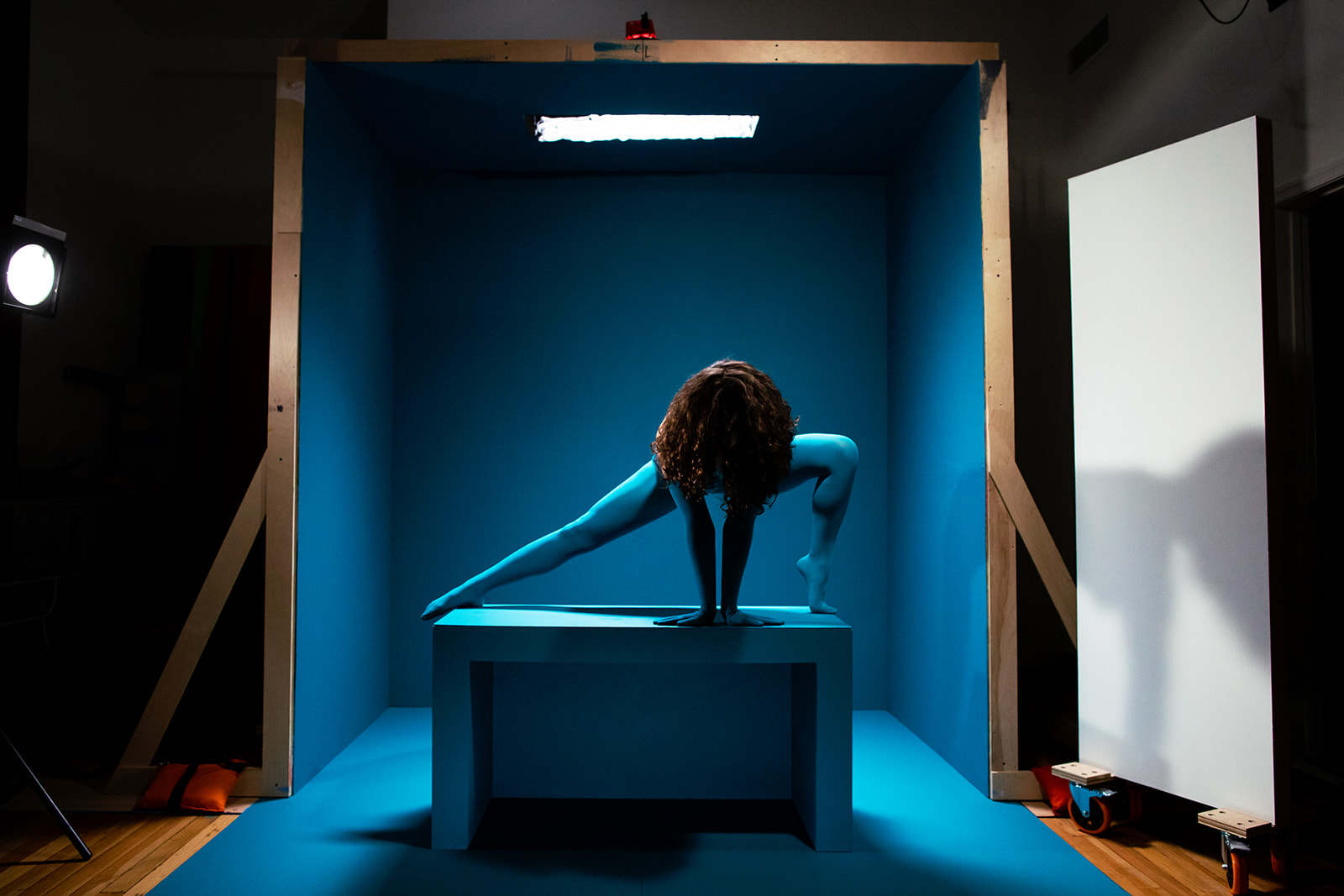
Learning to build flats adds real value to your work. It helps you stand out, gives you more creative freedom, and allows you to design sets that feel intentional instead of improvised.
This course is not just about learning how to build something. It is about changing how you think about sets, space, and what you are capable of creating with your own hands.
Once you know this skill, the possibilities truly open up.