Most of us think we would be more creative if we just had more time, more space, more money, or better gear.
That belief came up again and again for me while teaching at Imaging USA, because the class itself had to exist inside some very real creative parameters.
We just got back from a whirlwind few days in Nashville for Imaging USA, which was actually our first time attending. Not only did we get to go for the first time, but we also taught a full-day pre-conference class, which still feels a little surreal.
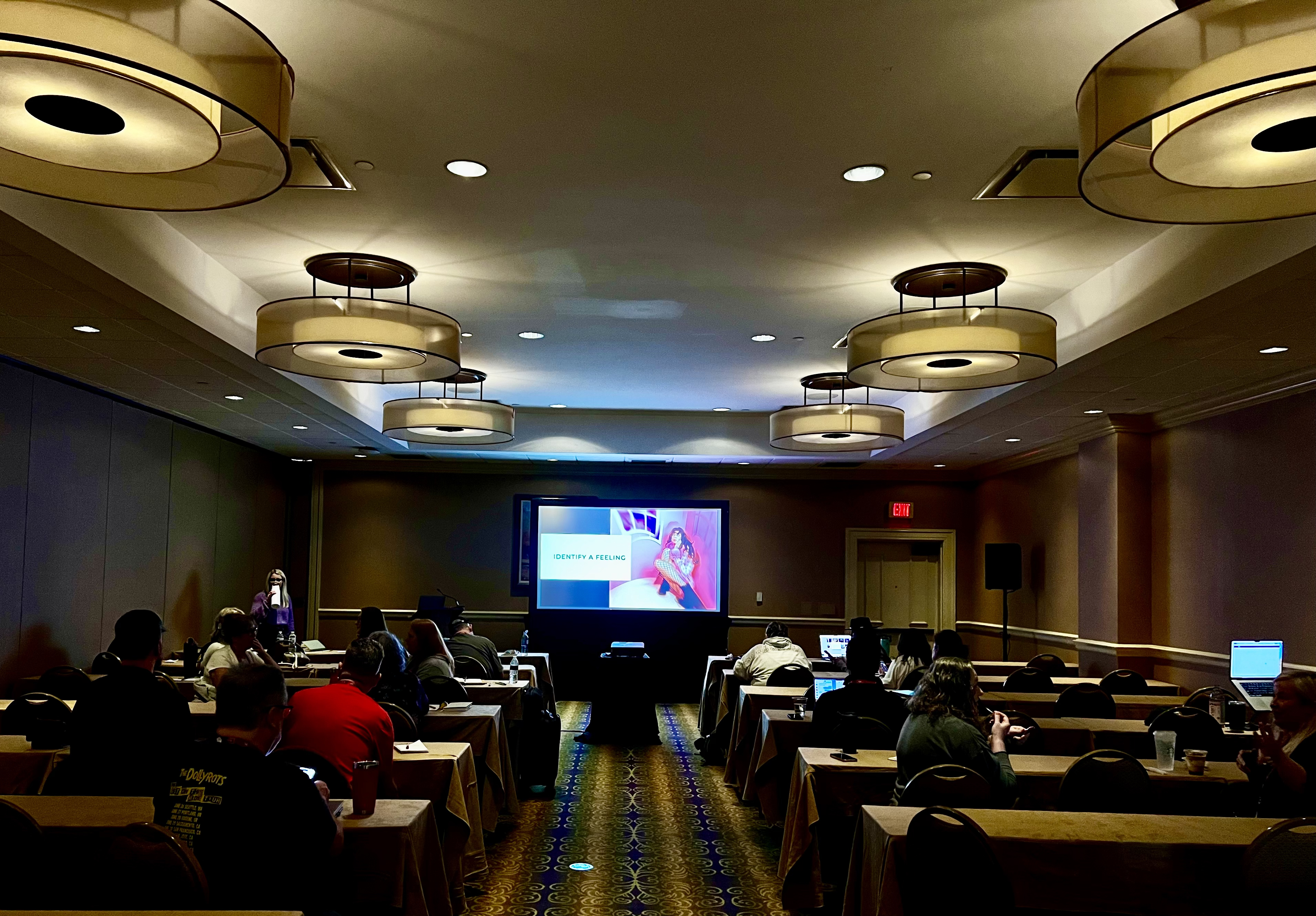
The class focused on discovering your creative voice and making intentional creative decisions around lighting, set design, color, and posing so your photos carry more meaning and connect more deeply.
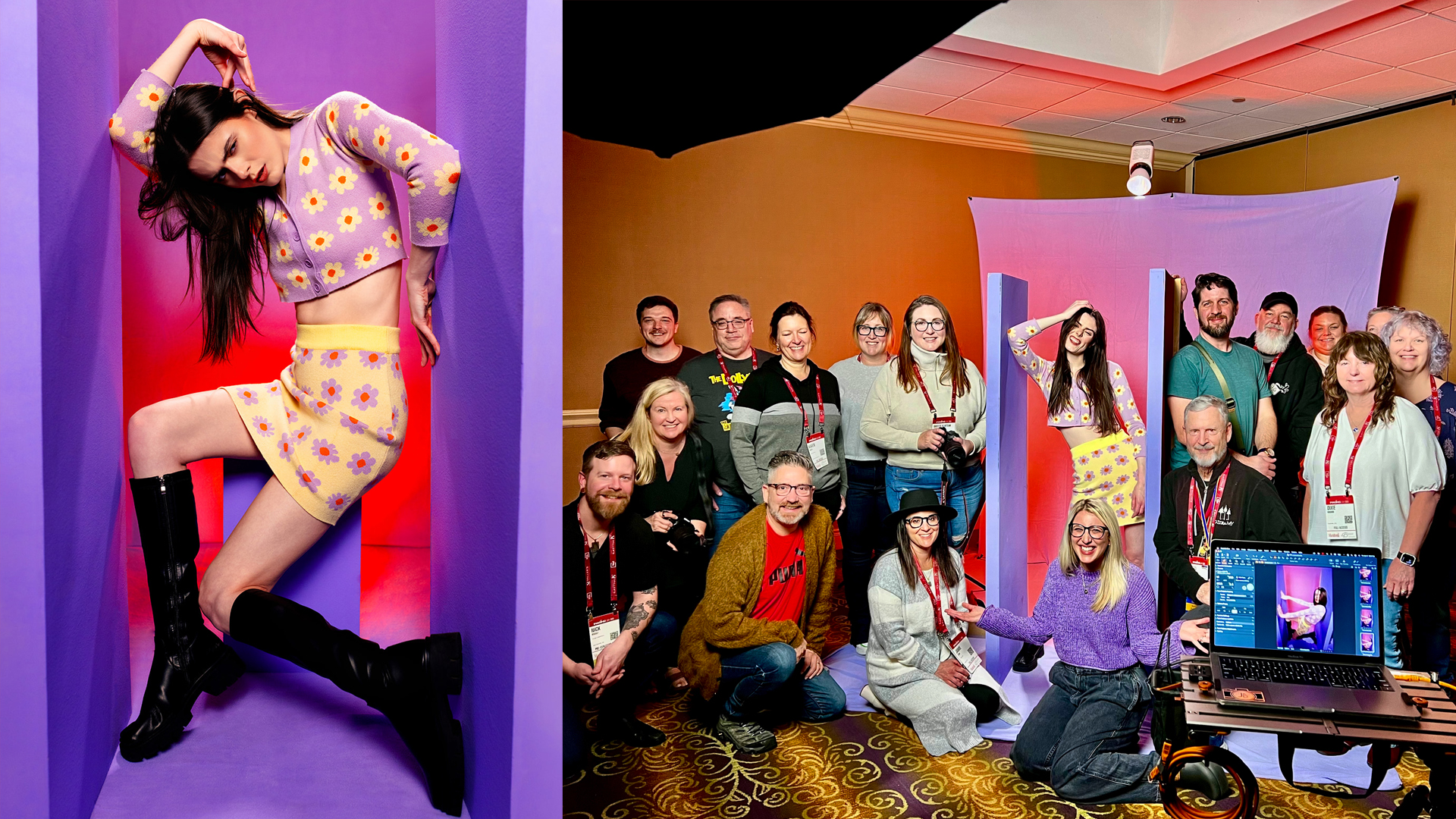
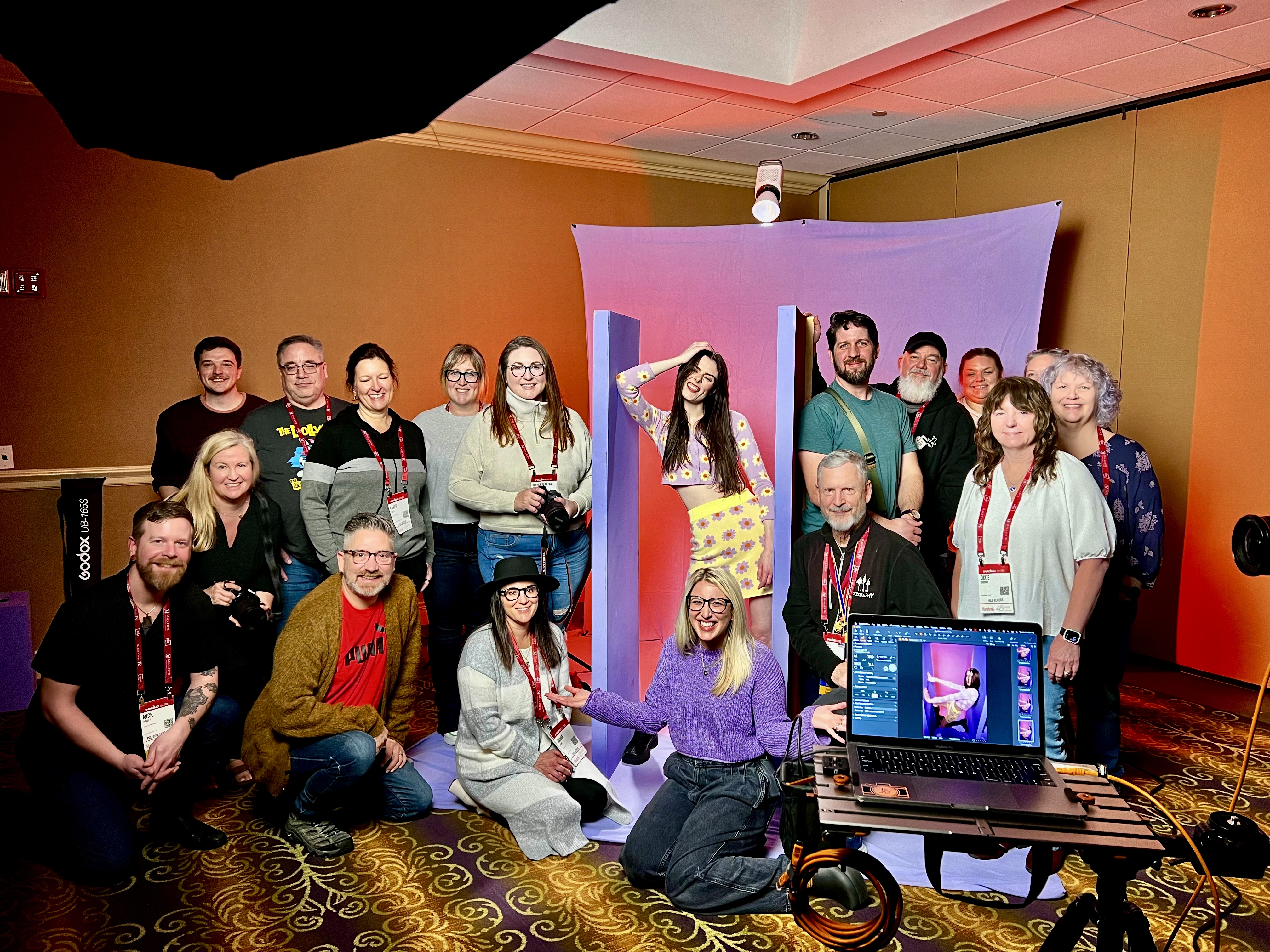
We had just over 20 photographers in the room, all at different stages of their careers and drawn to different aspects of photography. That mix alone became its own creative parameter, and honestly, it made the day better.
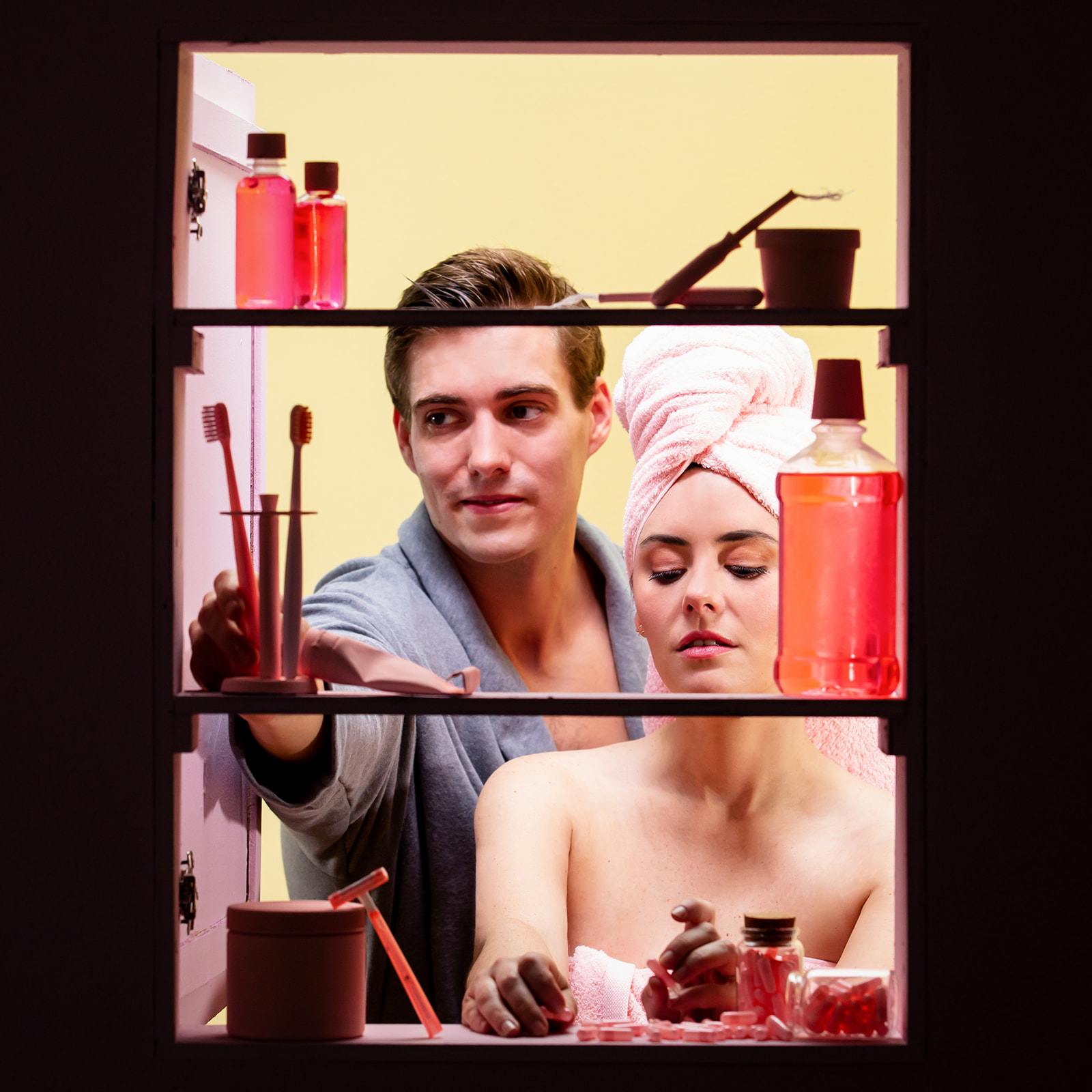
During the class, I broke down the framework David and I use to approach our shoots. How we come up with concepts, and then how we make intentional creative choices to support what we are actually trying to say.
A huge part of the class centered on creative parameters. How to reframe limitations or constraints into guardrails that shape what you make.
Creativity cannot exist without parameters. Whether you are starting an art practice, a business, or even a new season of life, you never begin with unlimited resources. There is always a shortage of something. Time, money, space, energy, materials. It is easy to see those as reasons you cannot move forward instead of invitations to get creative.
What felt especially fitting was that teaching this class required us to work inside some very real parameters ourselves.
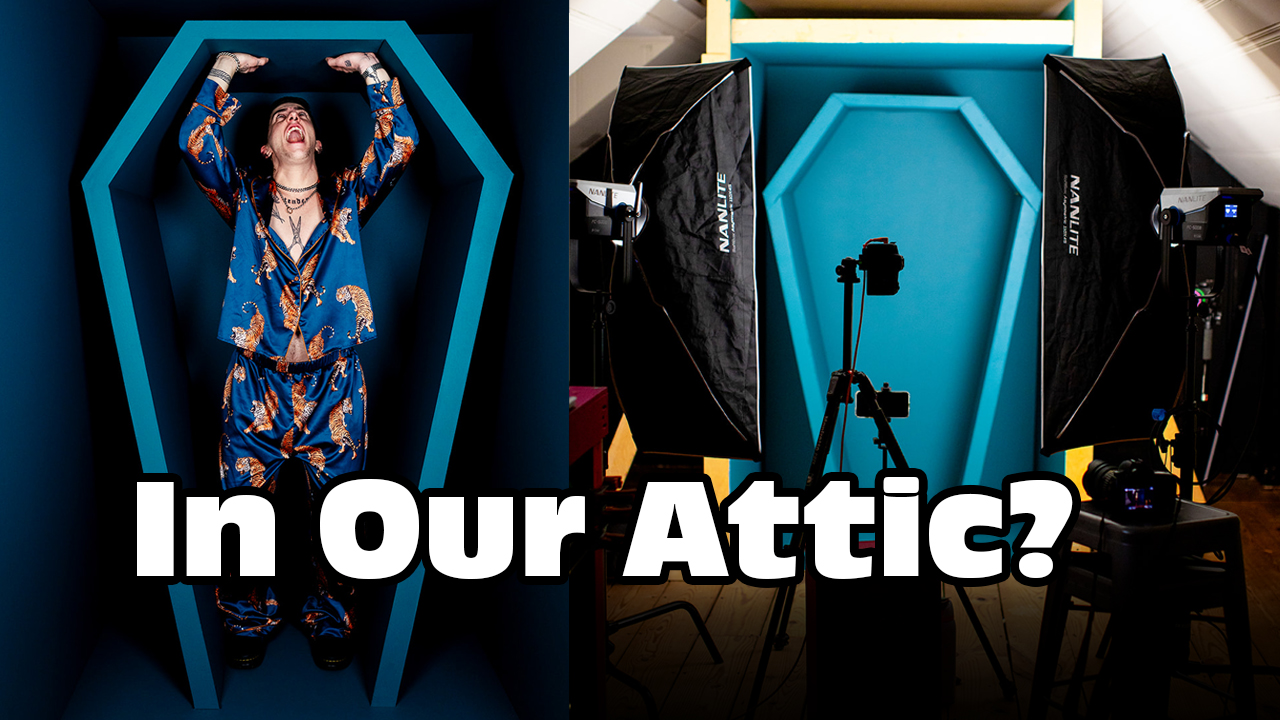
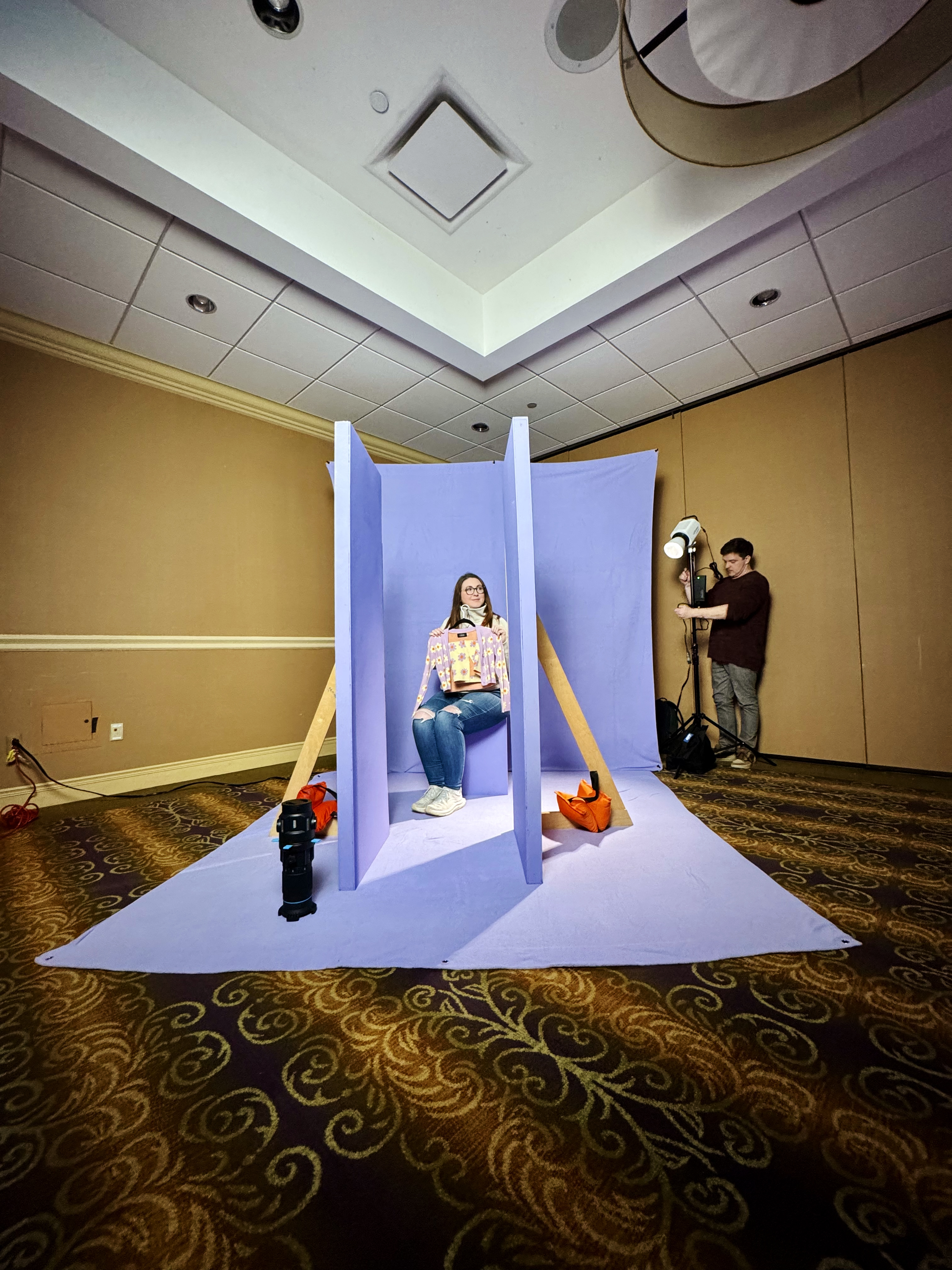
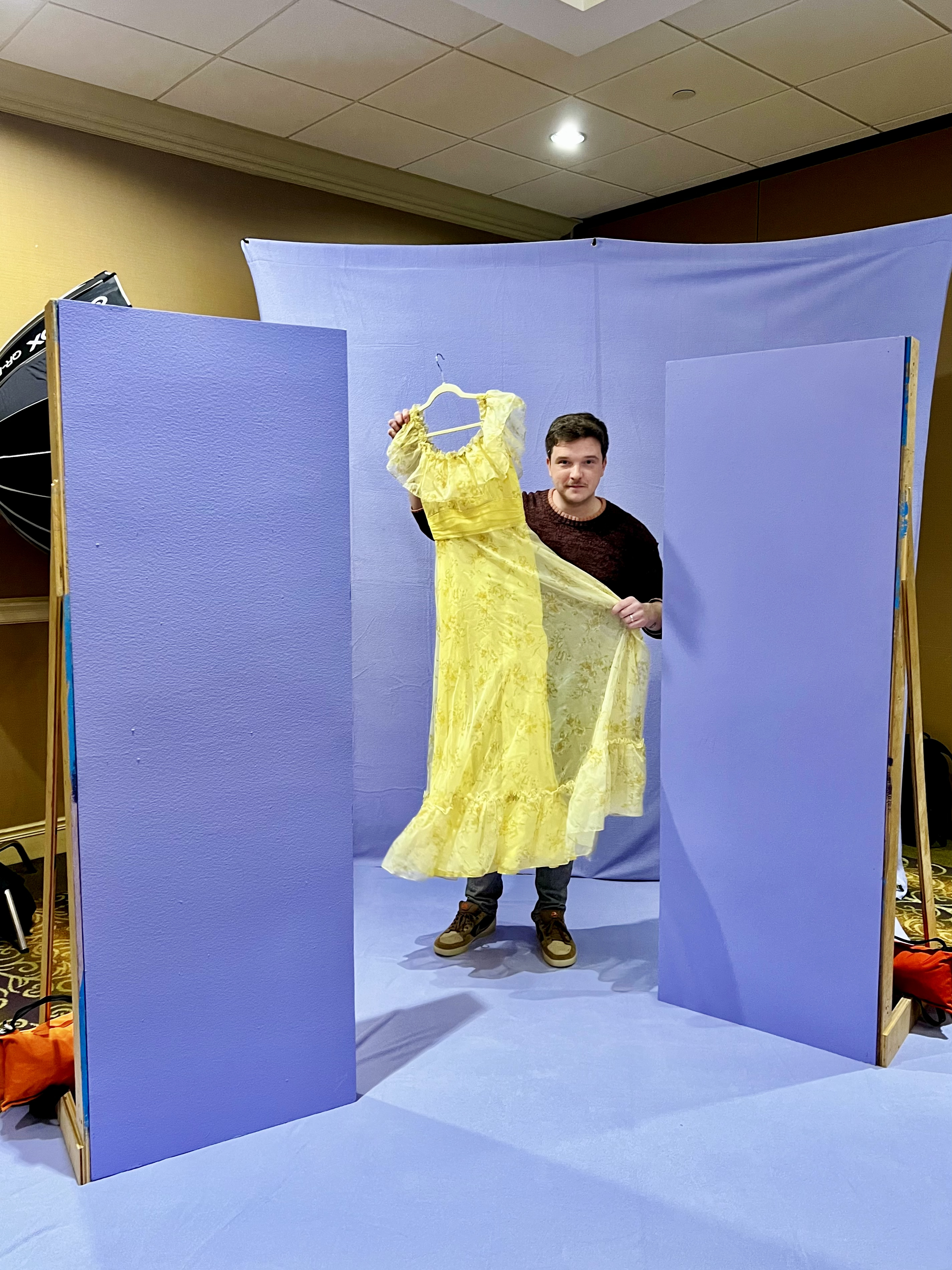
We wanted to bring physical set pieces so the class could collaboratively build a shoot concept together. But we were driving to Nashville in our little Nissan Maxima, which meant everything had to fit in the back of that car. So we got creative and built mini flats that could travel with us.
Lighting was another constraint. We only had three lights to work with, and some of them did not even have modifiers. Instead of seeing that as a problem, we treated it like part of the lesson. This is real life. This is often what you have. So how do you make it work?
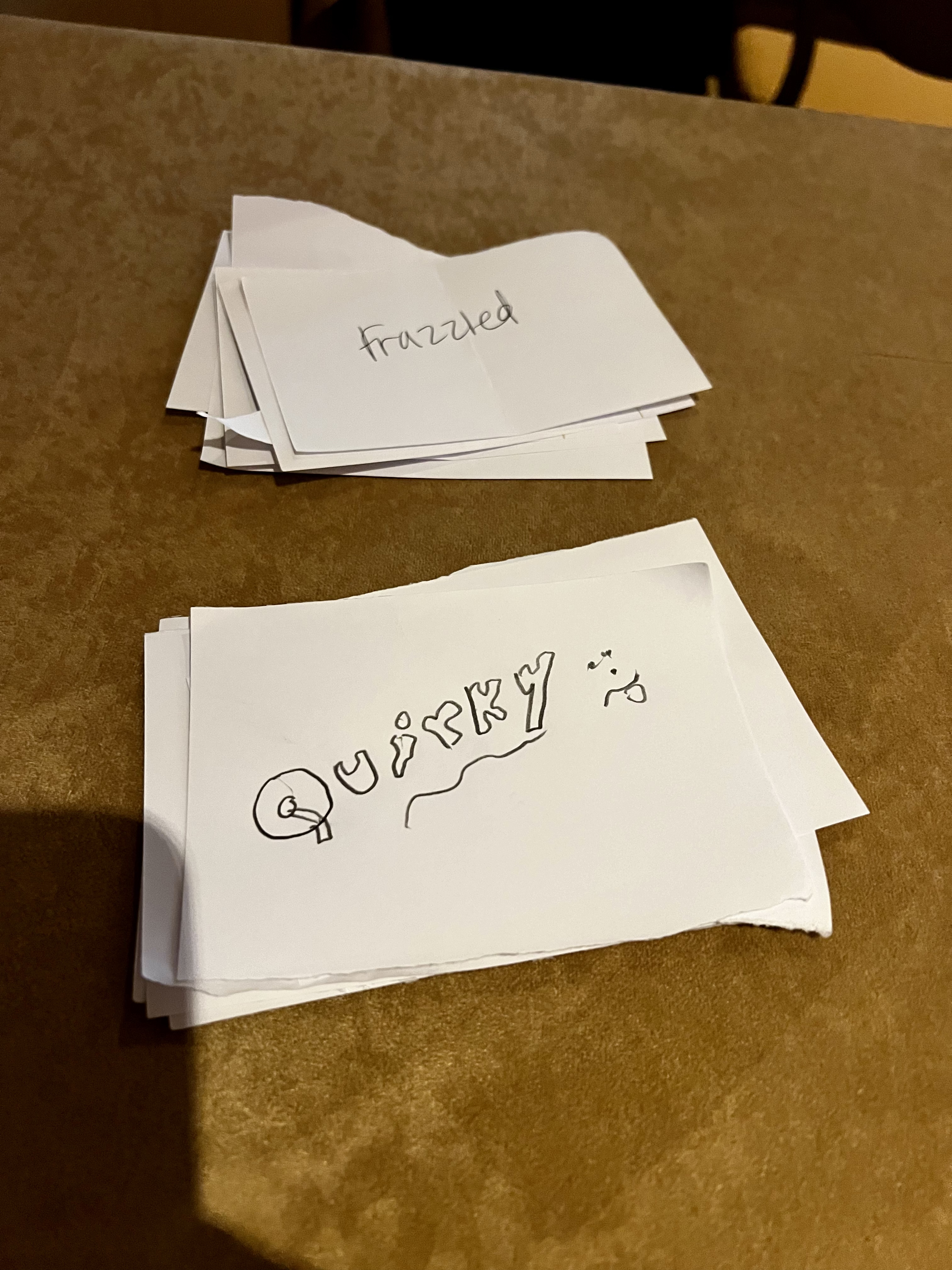
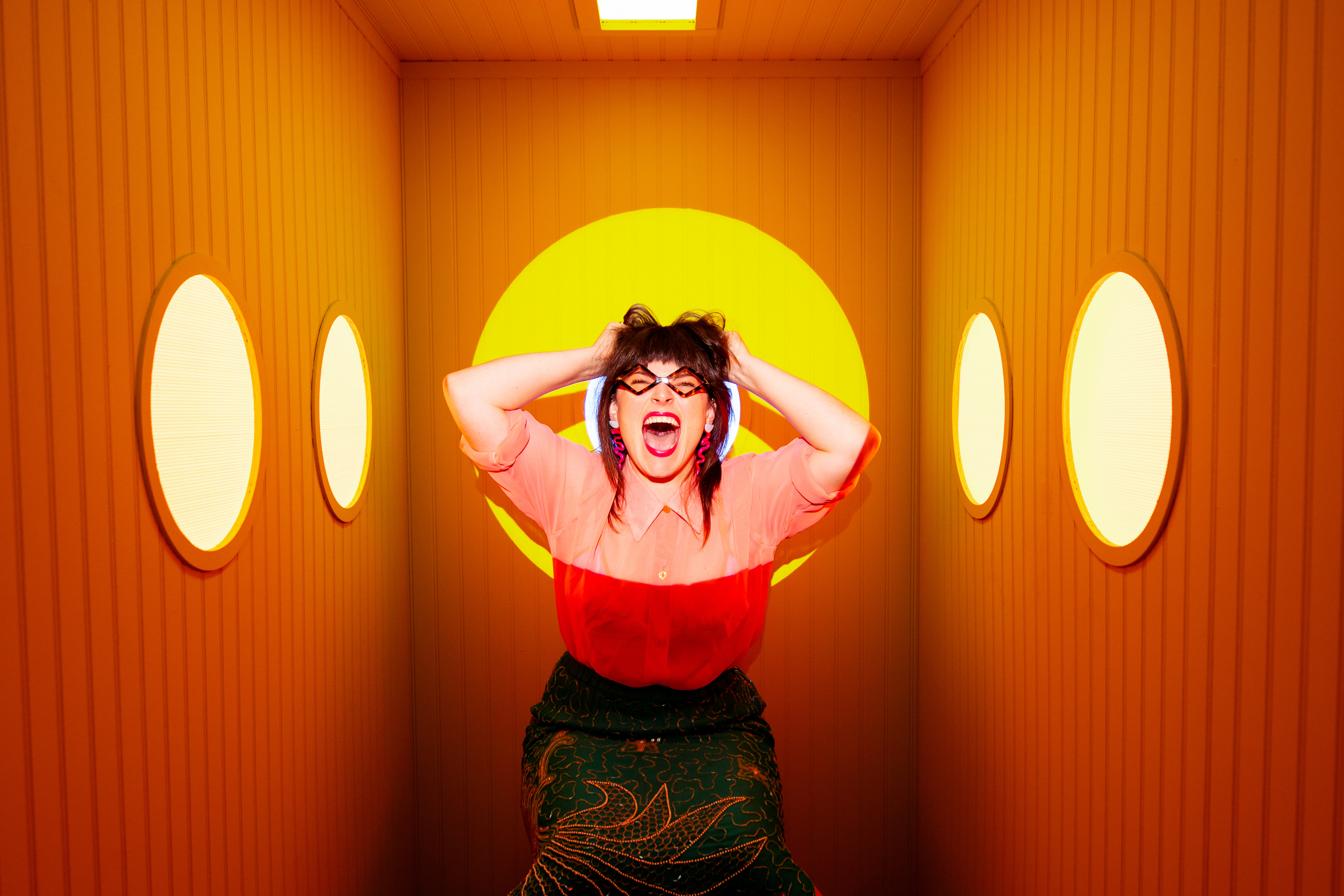
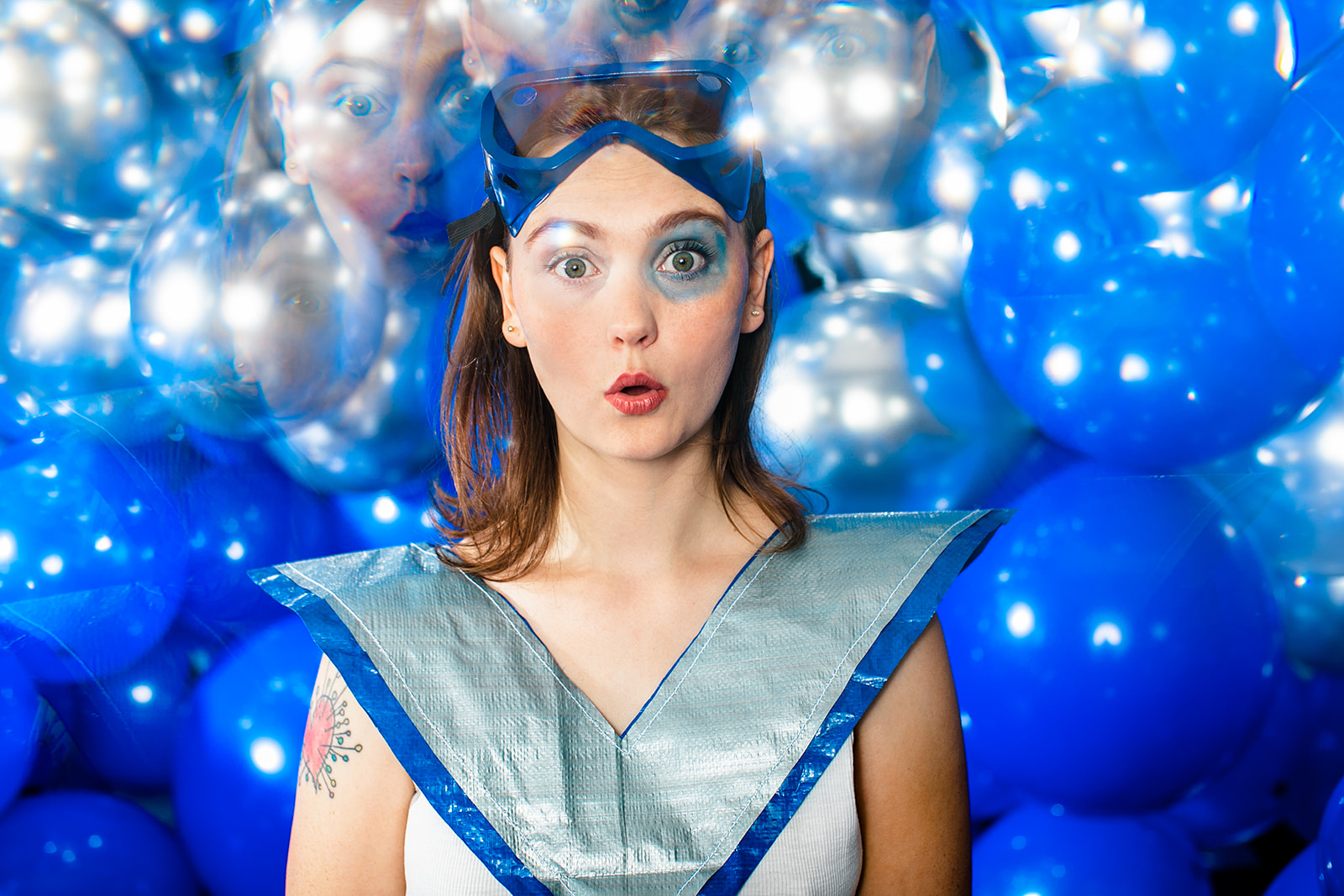
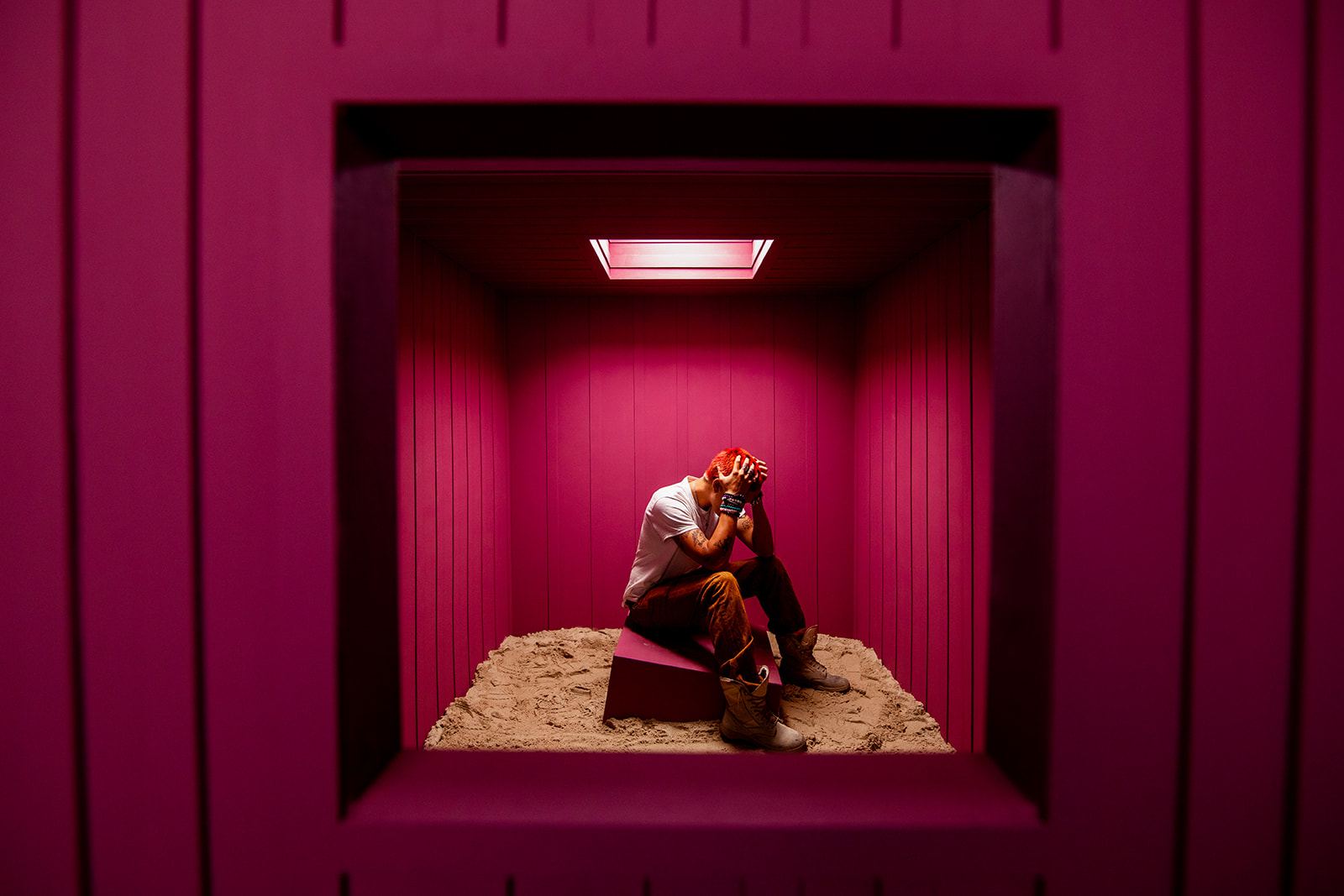
One of the tools we shared for building a shoot concept was starting with a feeling. As a class, we brainstormed and voted on two feelings to explore. They chose frazzled and quirky.
Once the framework was in place, we walked through different set design options using the pieces we brought, always coming back to the feeling we wanted to communicate. The class chose the setups they were most excited about, and then we moved into lighting and styling.
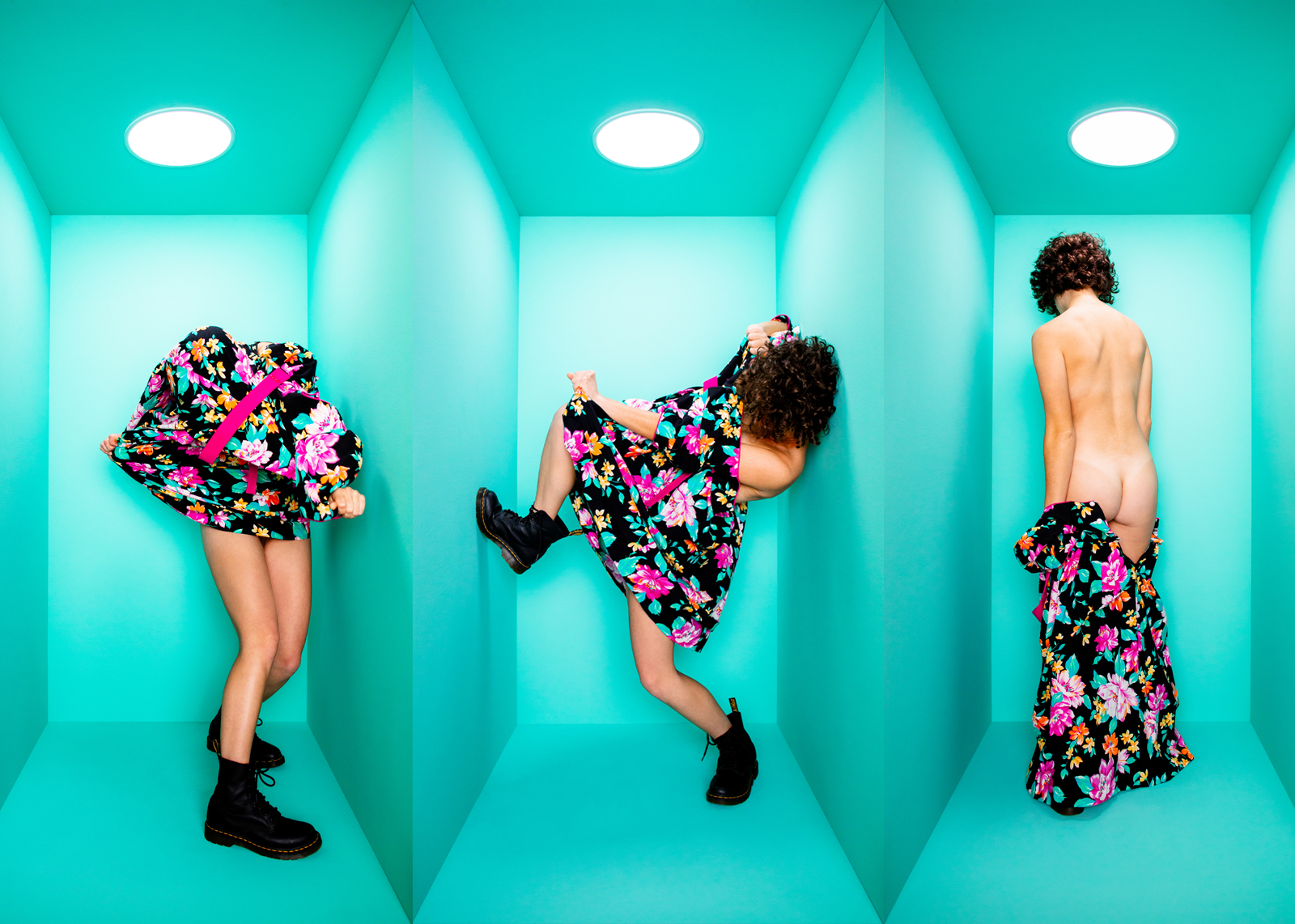
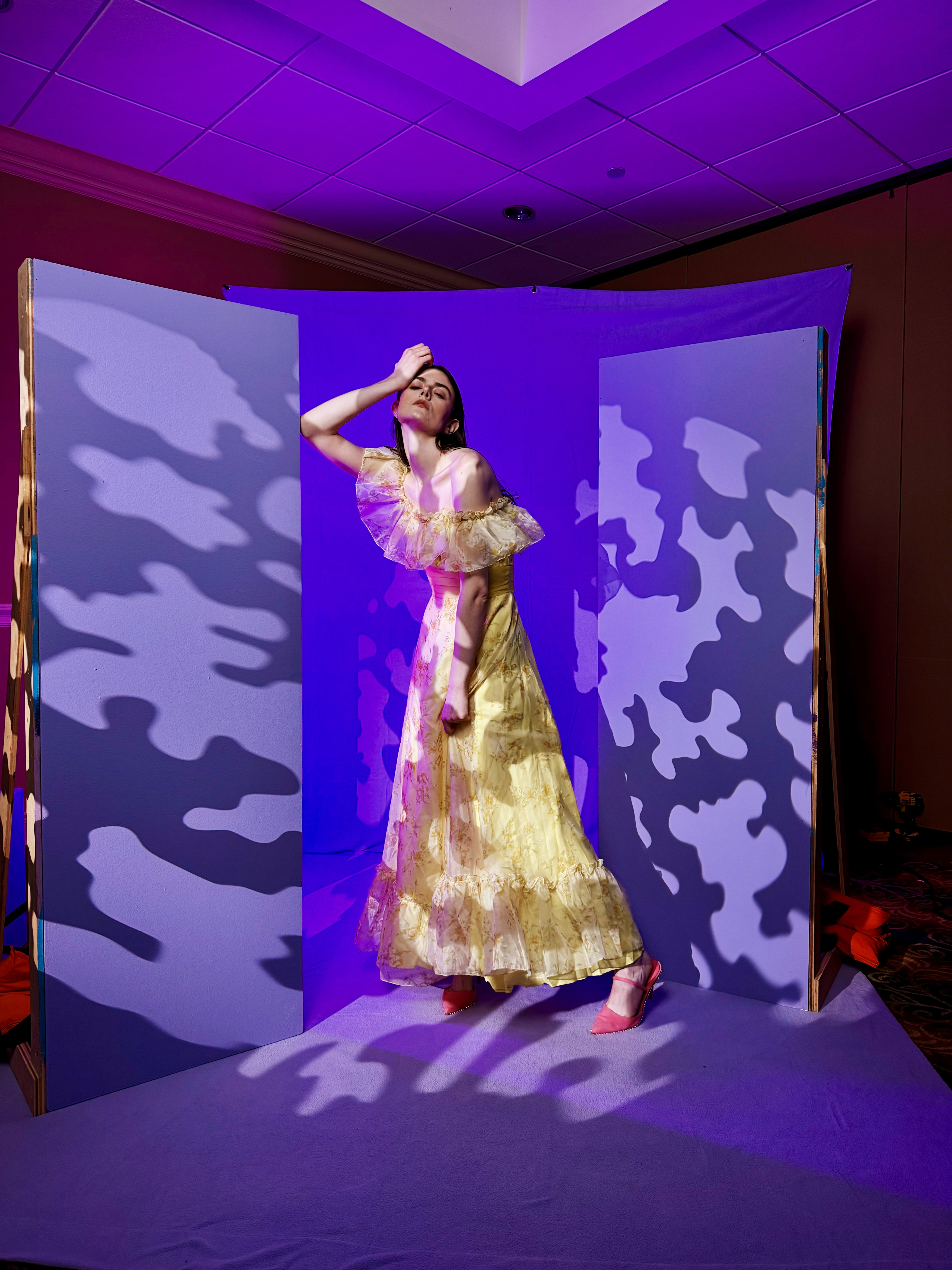
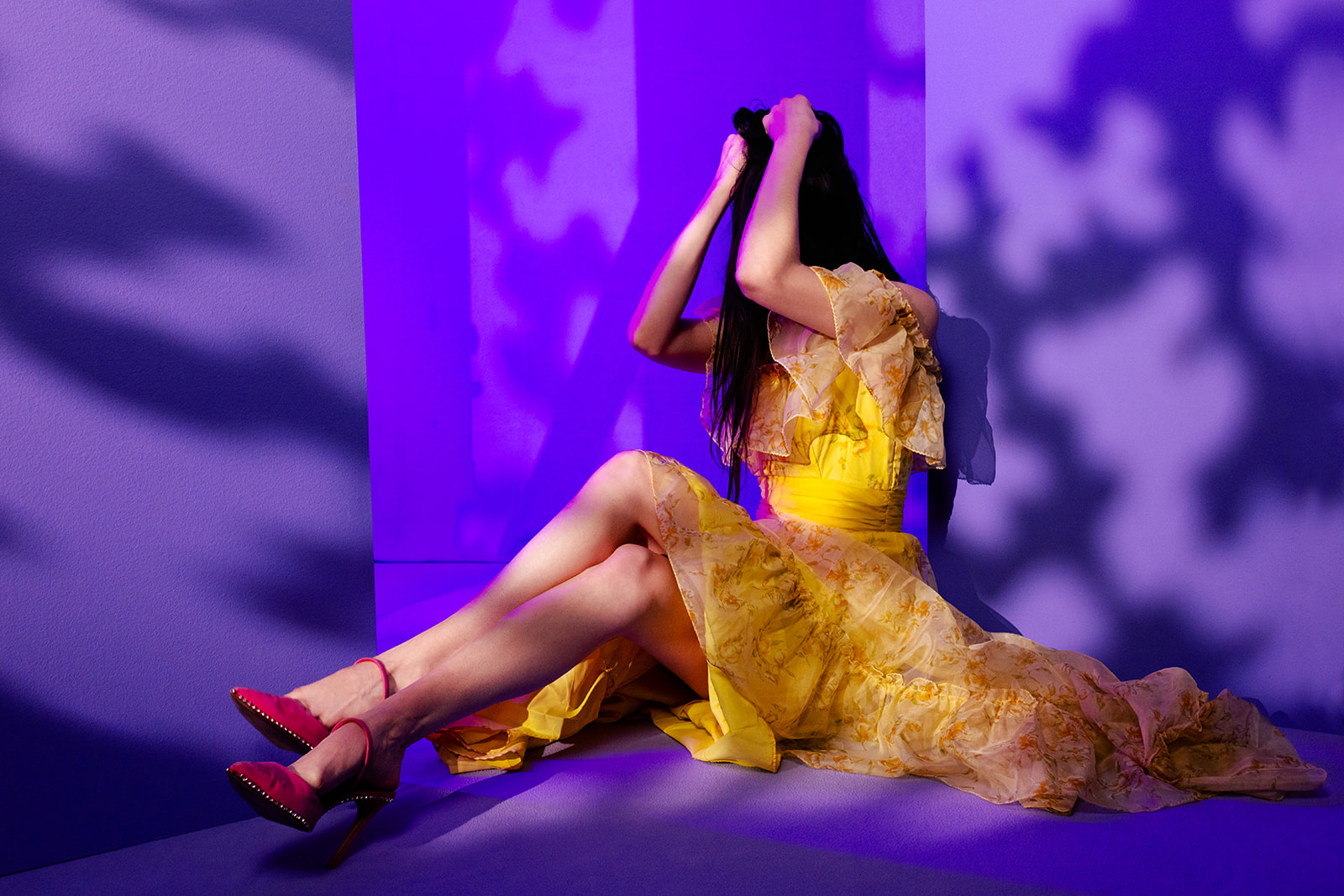
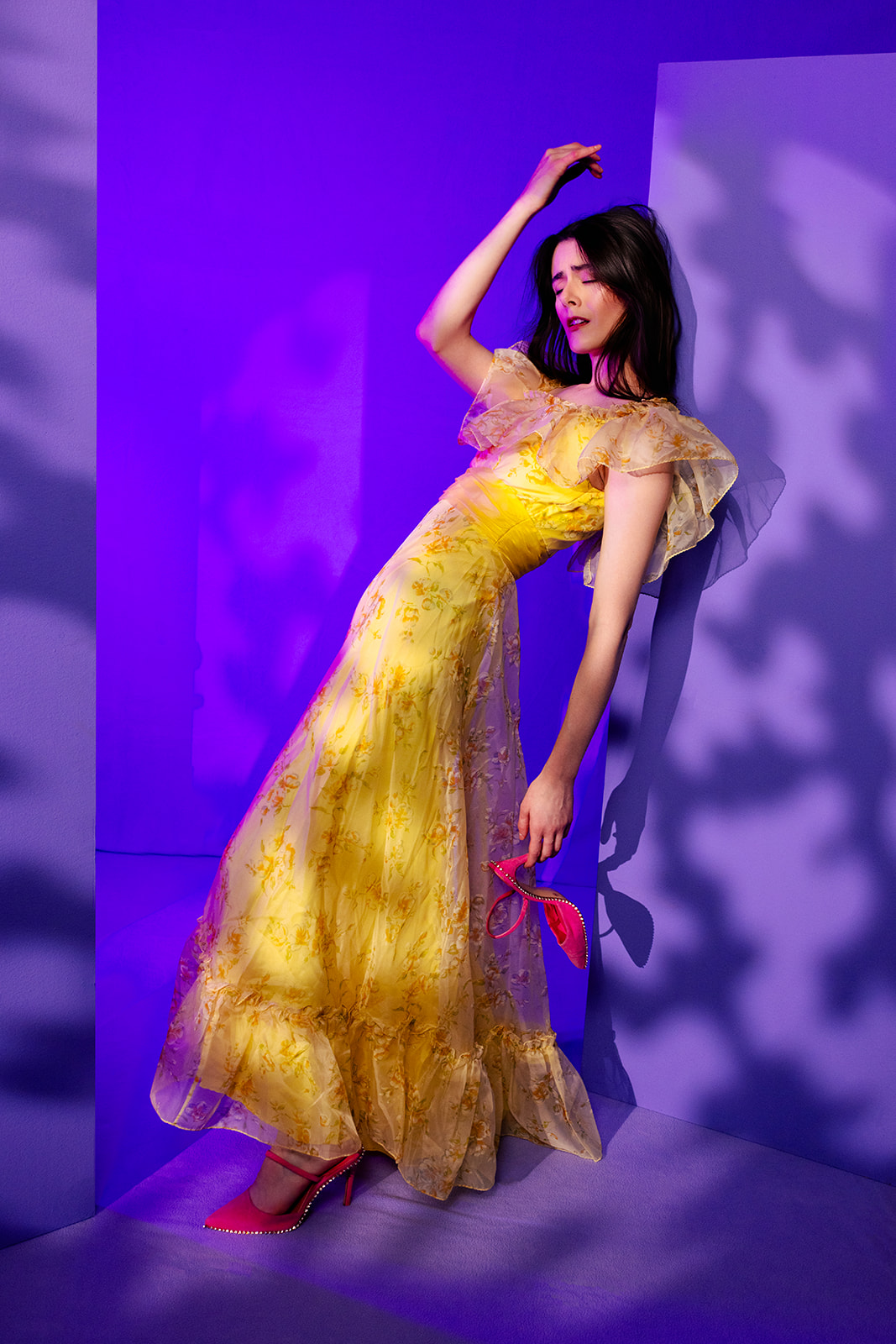
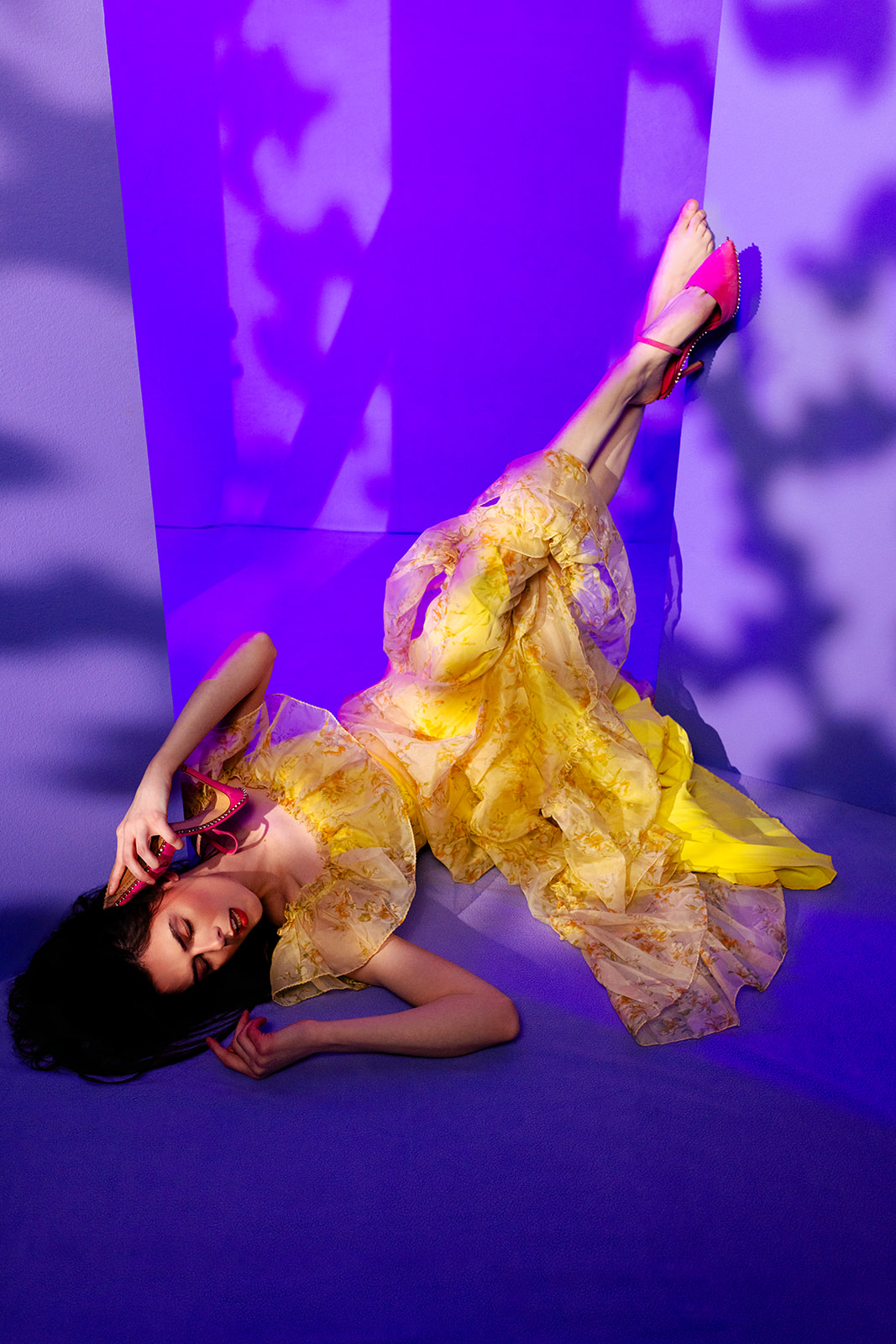
For frazzled, the class designed lighting that used a gobo with a heavy leaf pattern projected onto the set. They felt the busy pattern supported the chaotic, unsettled nature of the feeling. We mixed blue and white light to increase intensity since frazzled can feel overwhelming and sharp. The class even chose the wardrobe. They landed on a 1970s yellow formal dress because of the color contrast and the movement it added.
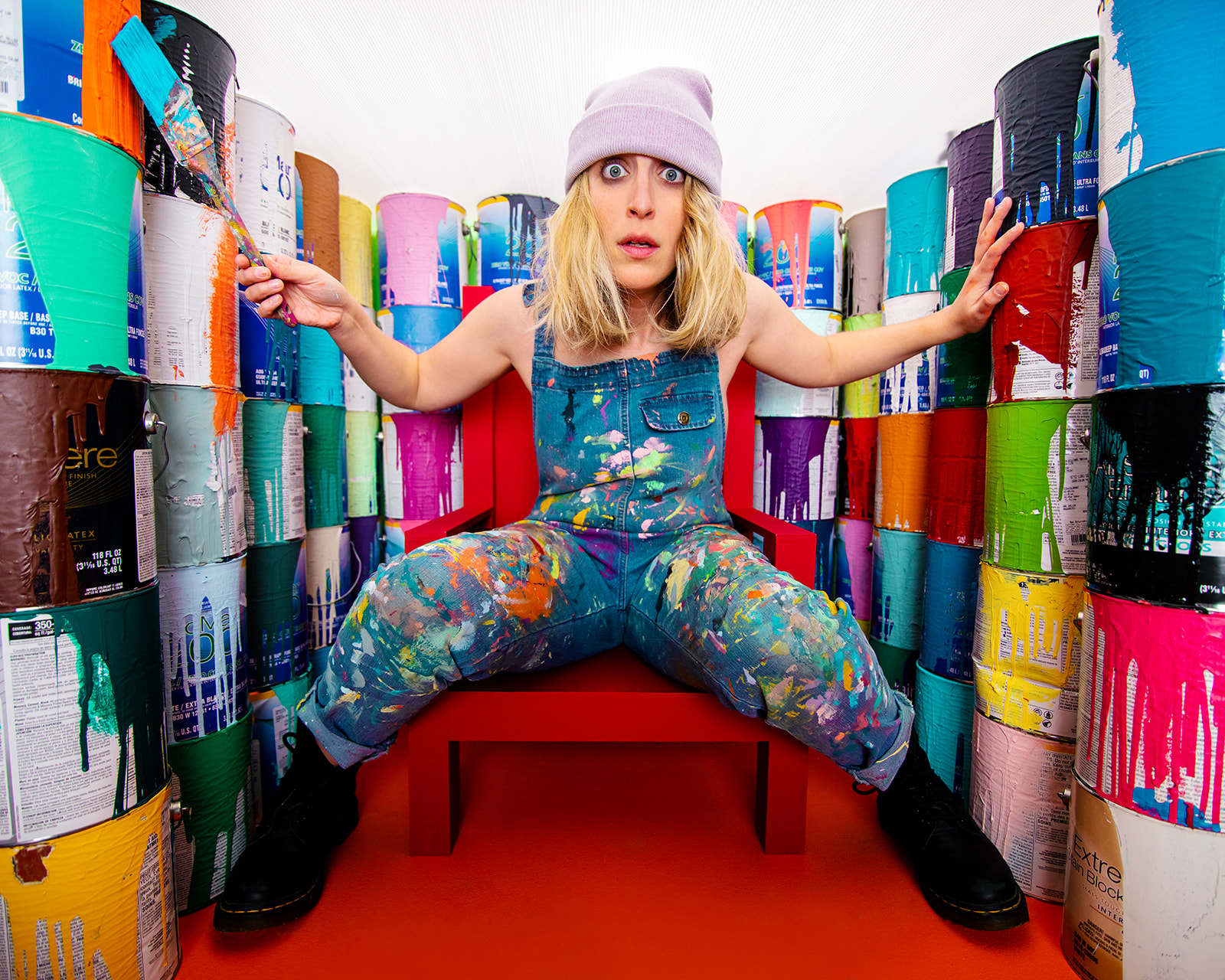
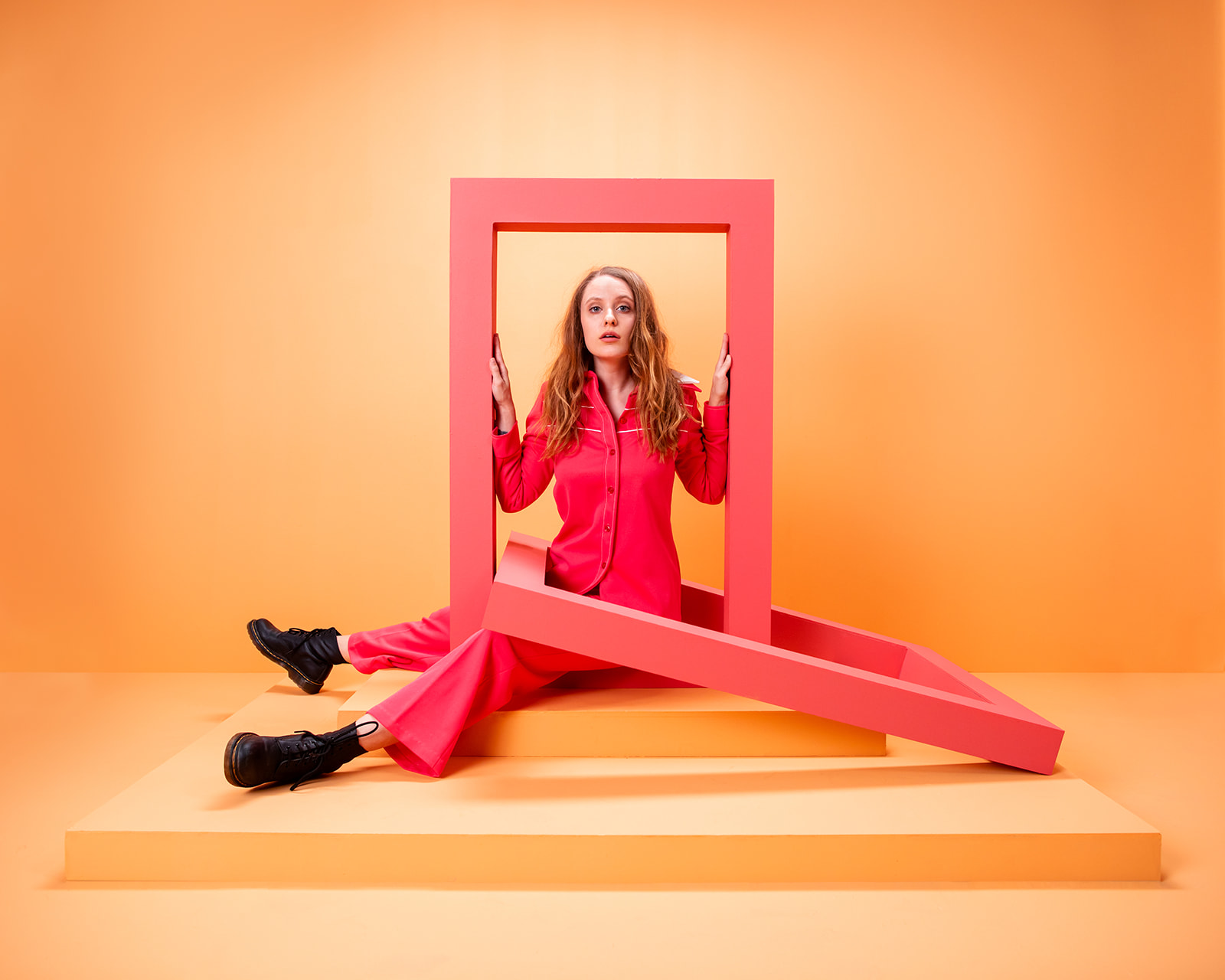
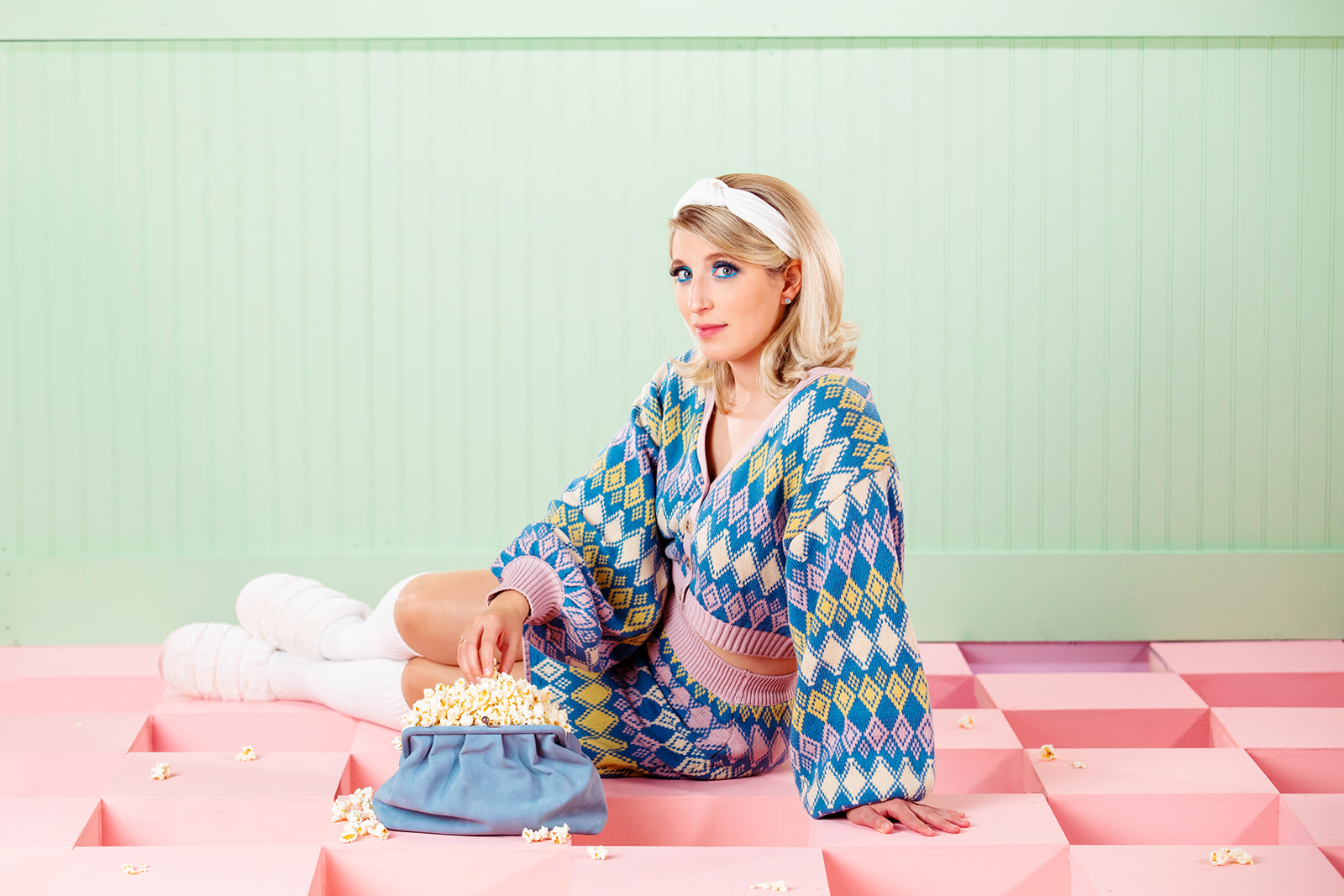
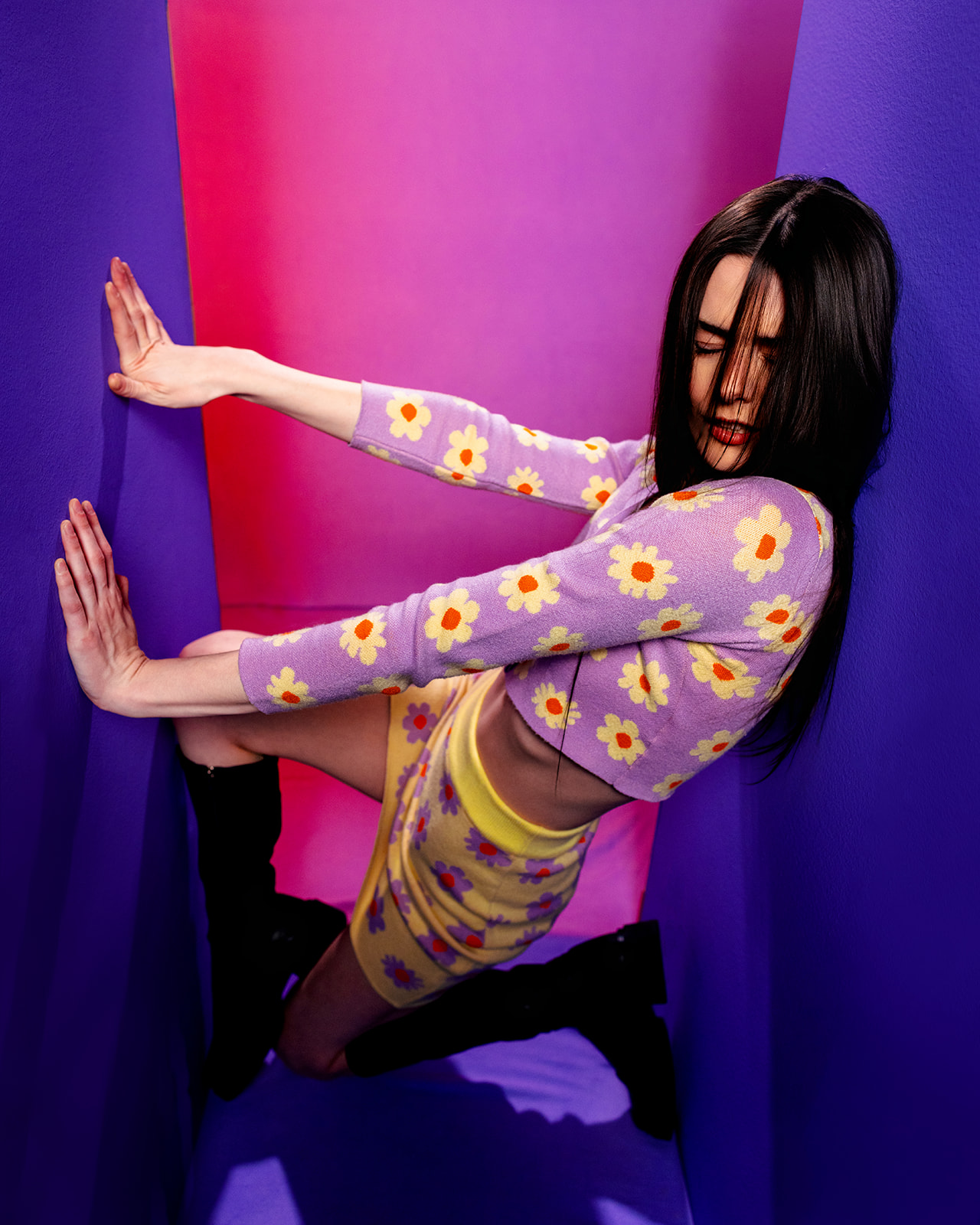
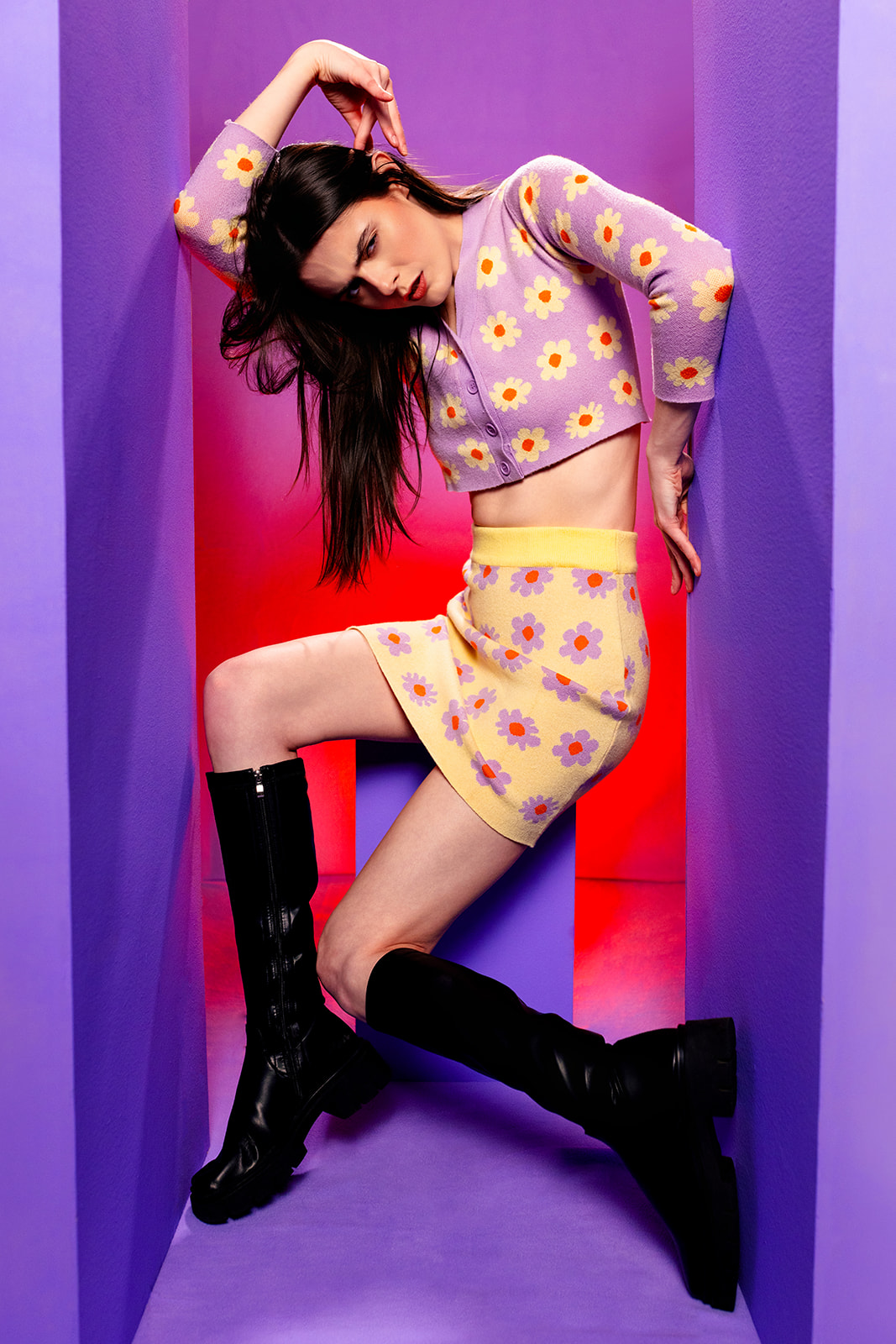
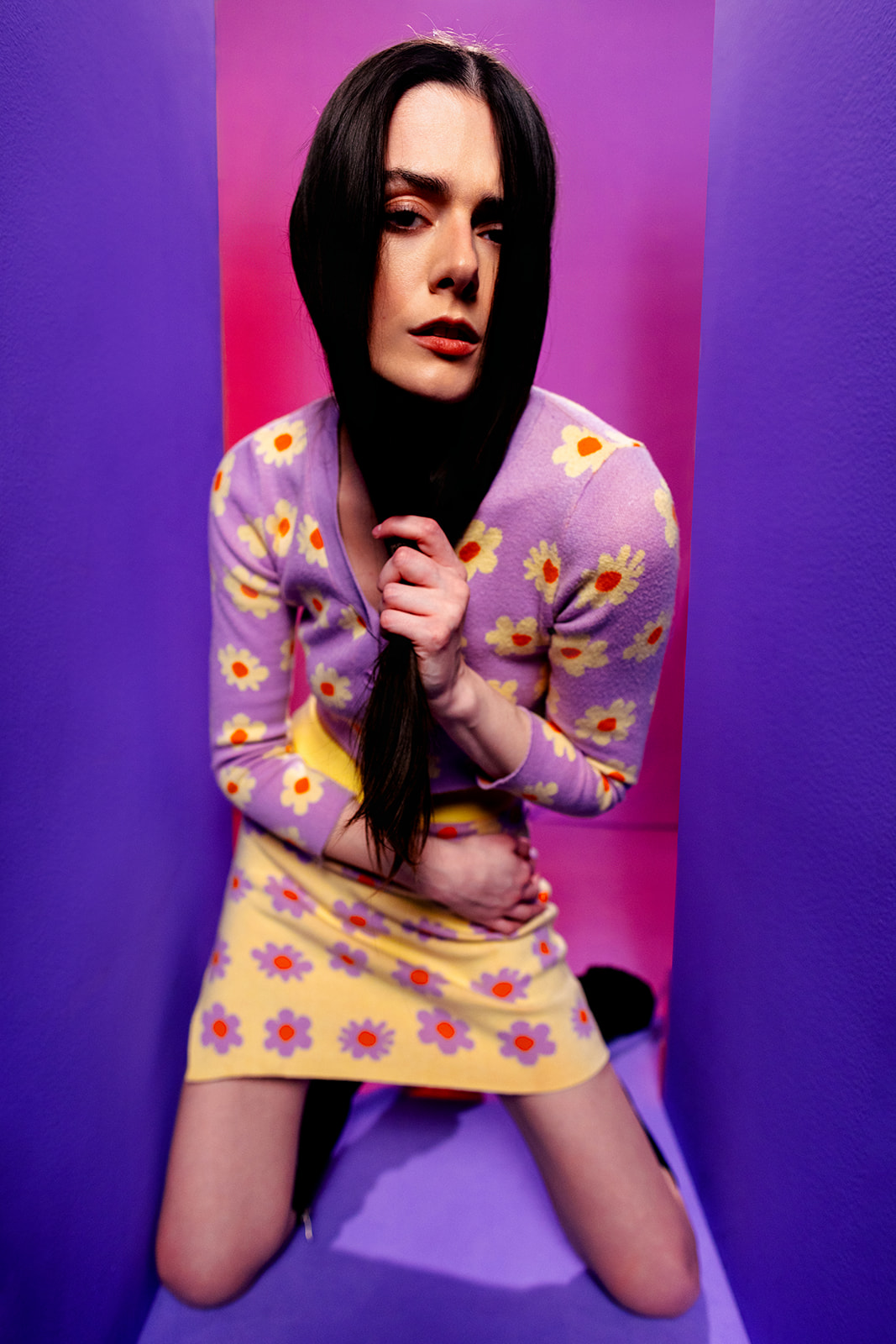
For quirky, the group defined it as unusual, awkward, but confident. They styled the model in a matching sweater set and designed a hallway-inspired set where the model appeared stuck between the walls, awkwardly trying to fit. They added orange light to contrast the purple backdrop, leaning into the playful tension of the scene.
The parameters were tight. Limited space. Limited gear. Limited time.
And yet, we made something meaningful.
That was the whole point. You can always create with what you have. It just requires reframing limitations into parameters and letting them guide your decisions instead of stop you.
The class was such a good experience that David and I are seriously considering launching a round of one-day workshops built around this same concept. If that is something you would be interested in, let us know.
Beyond the class, Imaging USA itself was a wild and really special experience.
We loved the keynote by Matthew Emerzian. It was deeply motivating and centered around the idea that everyone matters, that we all have our own paths, and that it is okay to change direction along the way. One of the most impactful moments was when he had thousands of people turn to the person next to them and talk for three minutes. Total strangers, instantly connected. It was such a simple reminder of how powerful human connection is.
We also got to catch up with friends like Lindsay Adler and Pete Coco, which always feels grounding at events like this.
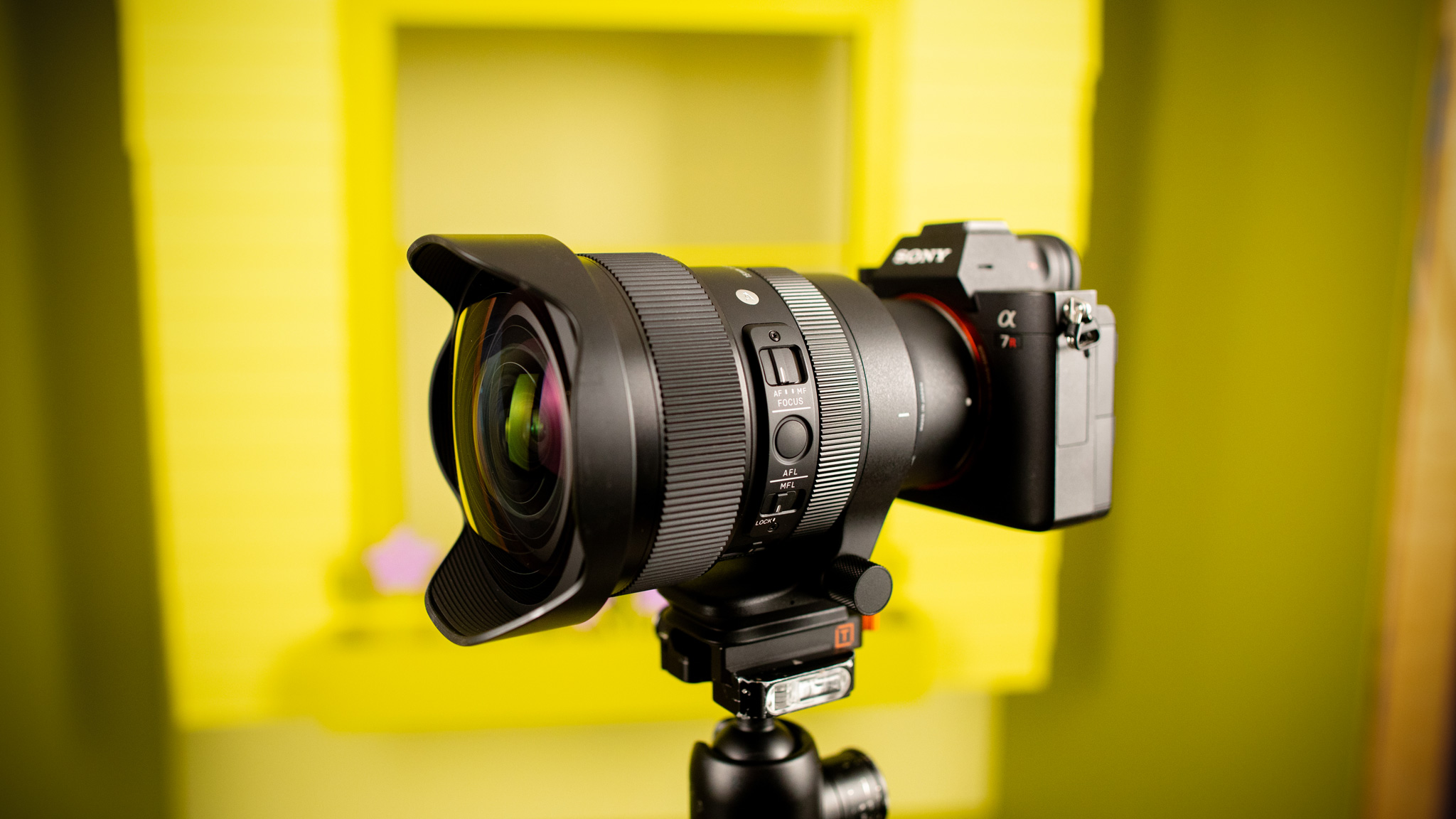
And the expo floor was packed with incredible vendors. Tether Tools, Sigma, Fujifilm, and so many more. So many tools, ideas, and possibilities in one place.
It was really fun to connect with photographers face-to-face and be reminded that while tools are abundant, creativity still comes from how you choose to use them.
Overall, we loved our Imaging USA experience. It stretched us, challenged us, and reinforced something we already believe deeply.
Parameters are not the enemy of creativity. They are what make it possible.