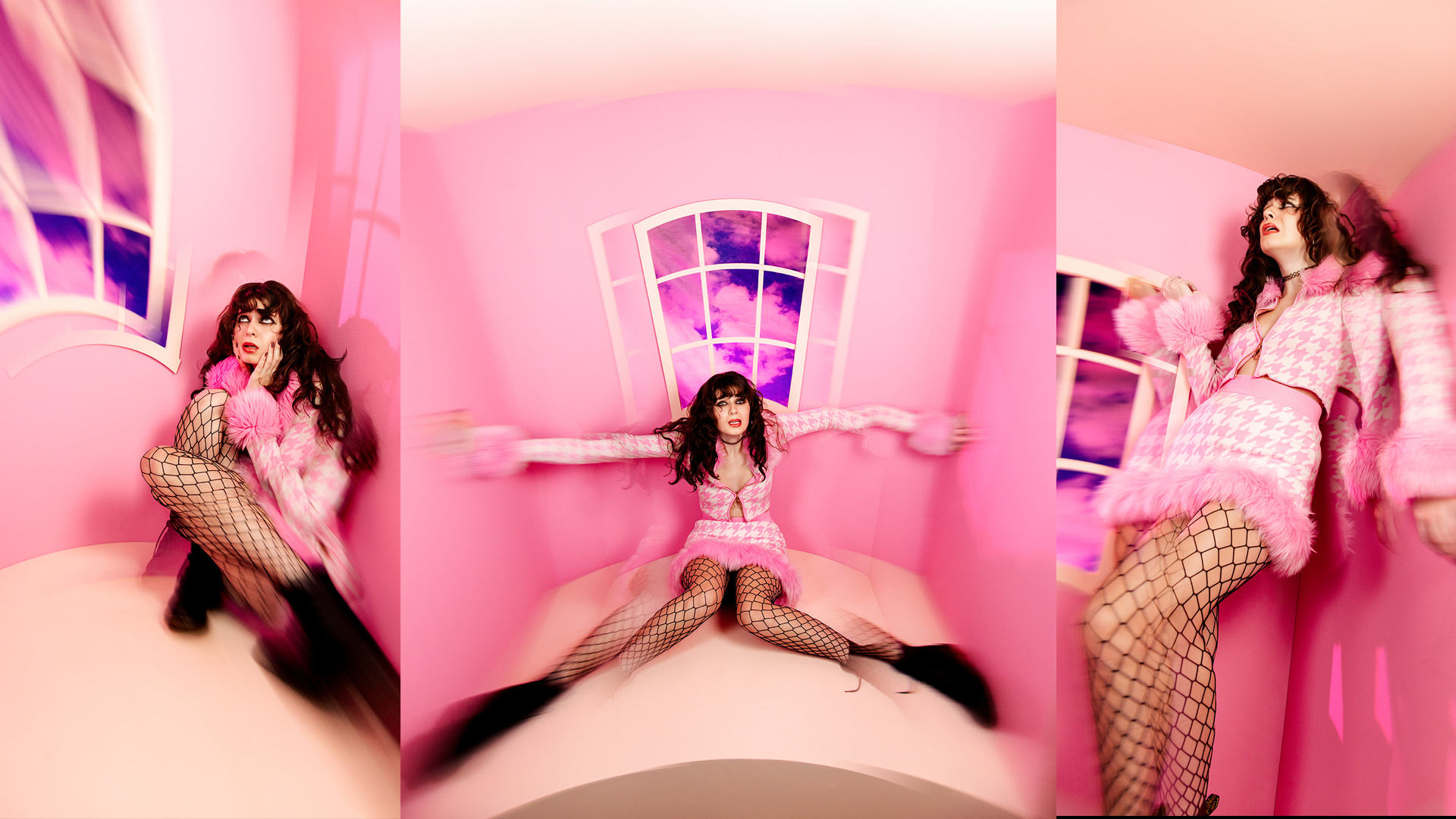
One of the biggest goals in conceptual photography is taking a feeling and translating it into a visual experience. You want someone to feel something the second they look at your photo, even if they don’t know the story behind it.
As photographers, we have endless tools to shape emotion: Lighting. Posing. Lens choice. Color. Wardrobe. Set design. Composition.
But this shoot needed something extra. Something disorienting. Something unsettling.
So we brought in one more tool:
The Prism Lens FX Ghost Filter.
The Concept: Pretty Meets Panic
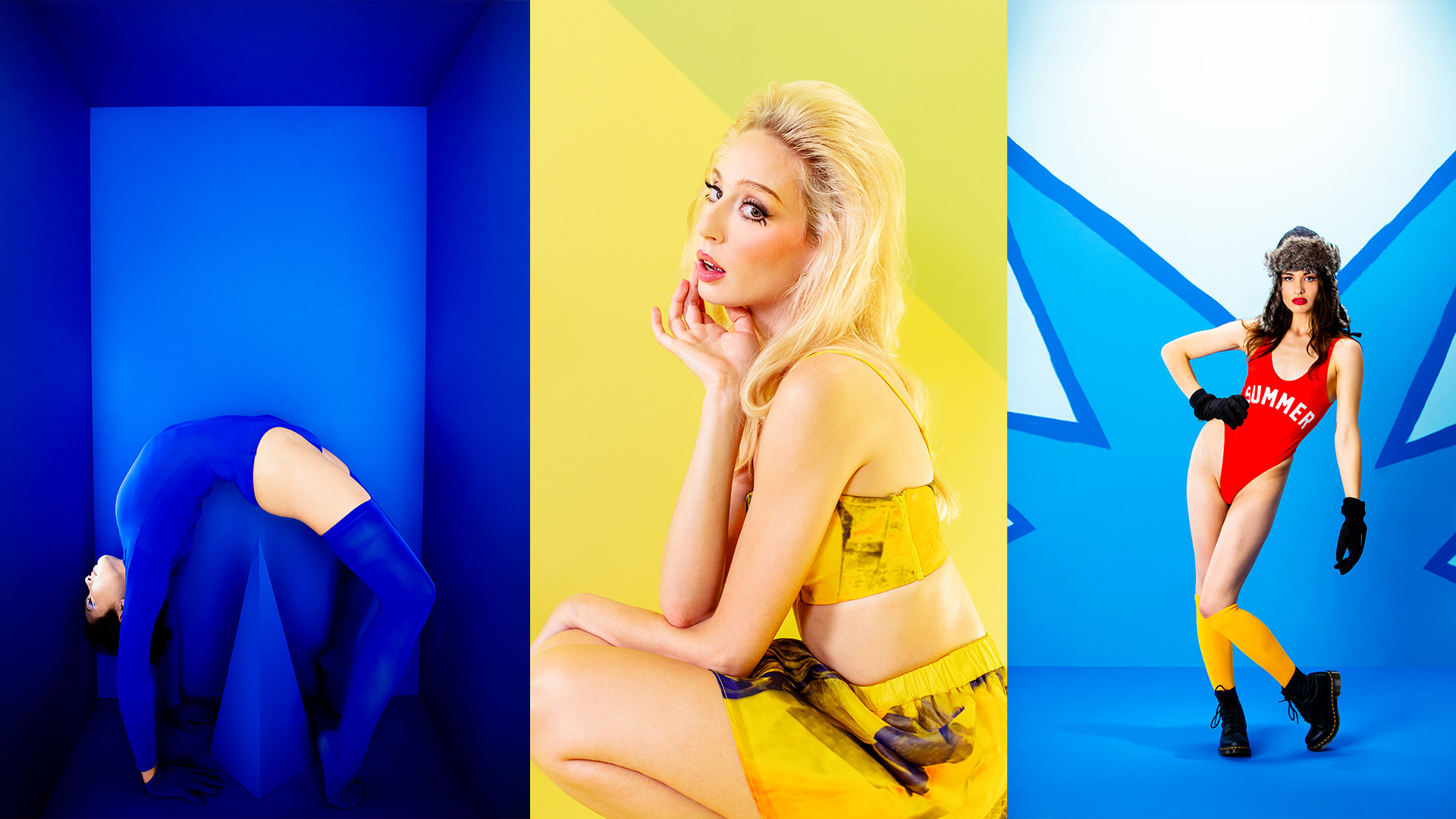
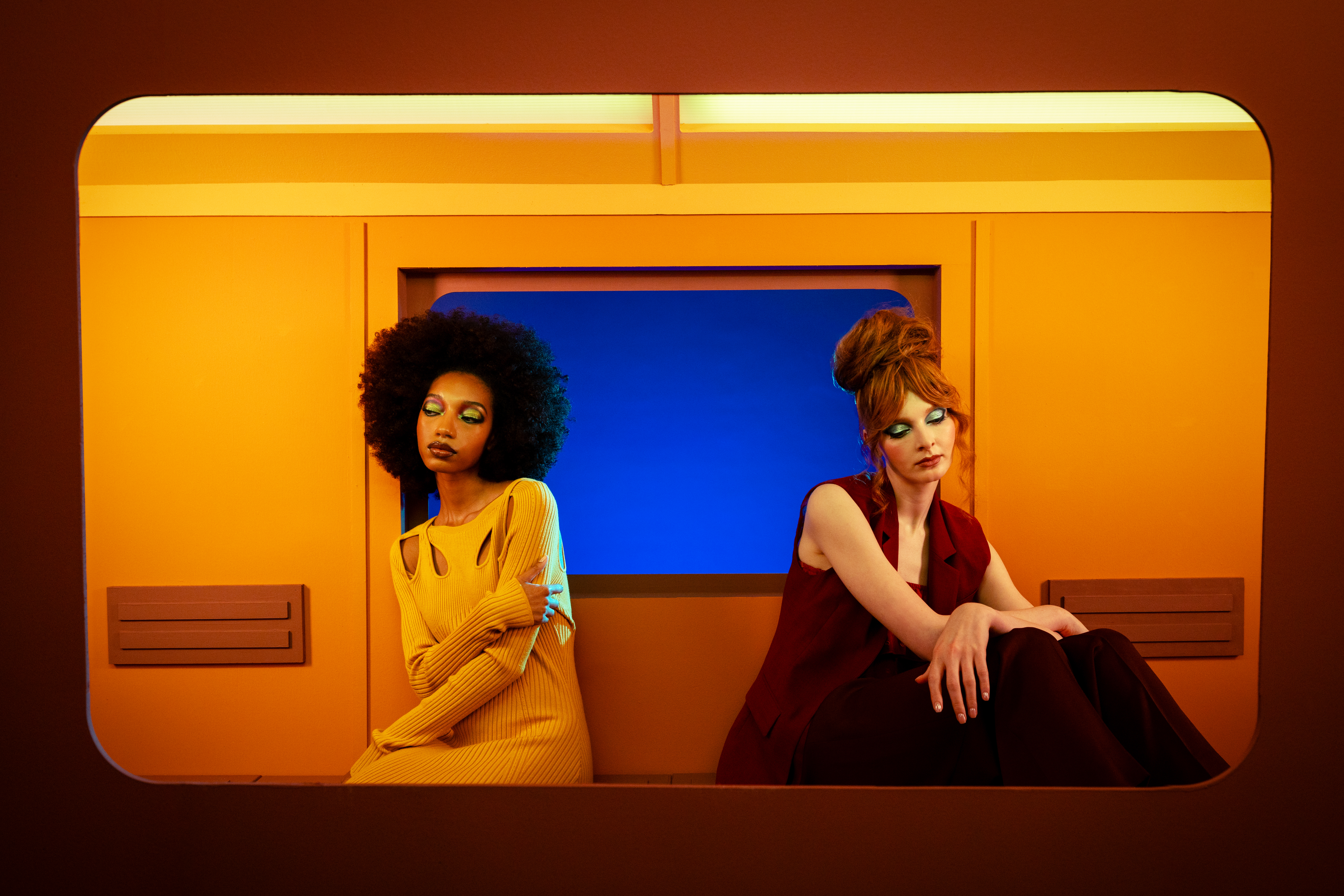
David and I love to create contrast within our photos. Especially emotional contrast. We love to juxtapose bright happy colors with more complex, darker emotions.
For this shoot, we wanted to do exactly that. The goal was to create a visual tension between the environment and the emotion.
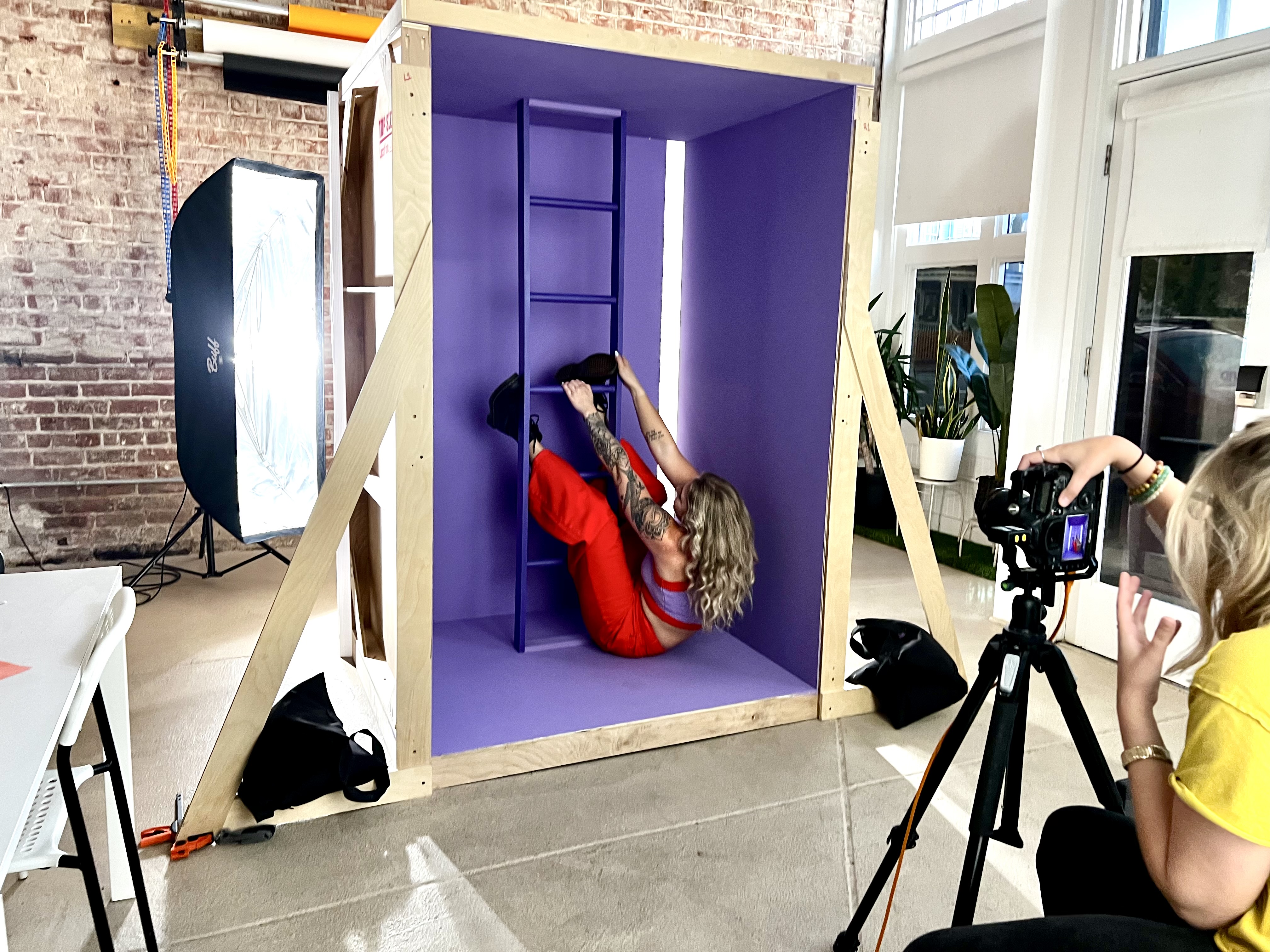
So we built a monochromatic bubblegum-pink set that felt:
- Girly
- Childlike
- Soft
- Innocent
And then we styled our model to clash with that world: combat boots, fishnets, attitude. We created a character who clearly didn’t belong in the space she was placed in.
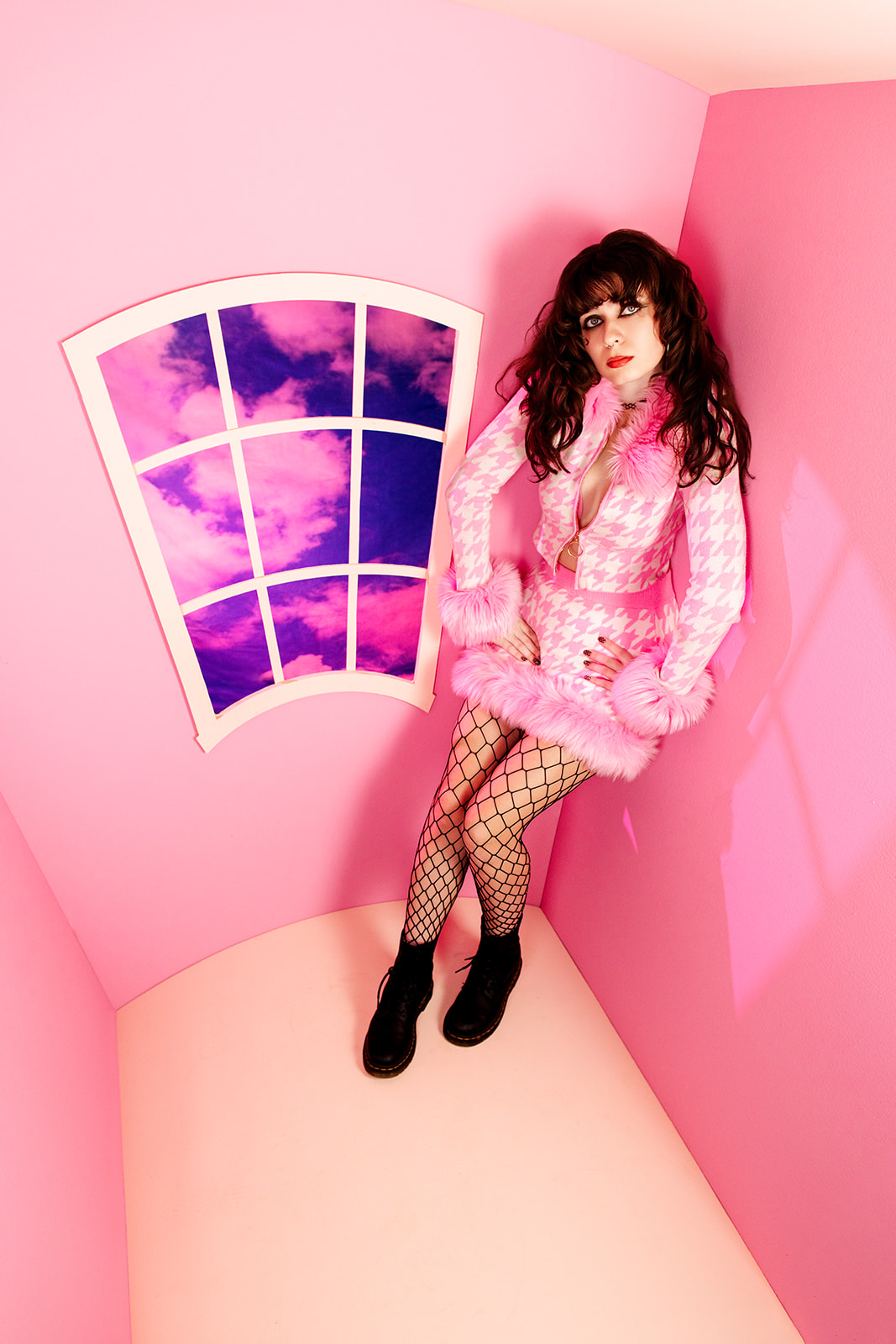
During the shoot we wanted to create the feeling of a panic attack where you feel out of control.
That moment when:
- The room feels too small
- Vision blurs
- Nothing feels grounded
- You feel like your body and your reality are disconnecting
The styling, the set, and the color palette set the stage, but the Ghost FX filter amplified the emotion.
Why Filters Matter (and How to Use Them Intentionally)
Lens filters aren’t just in-camera special effects. They are tools for shaping the mood.
When used intentionally, they help tell the audience how they’re supposed to feel.
The Prism Lens FX Ghost Filter was designed to recreate long-exposure motion blur and ghosting. It creates a chaotic, duplicated, slipping-out-of-reality effect, which was perfect for the emotional territory we wanted to explore in this shoot.

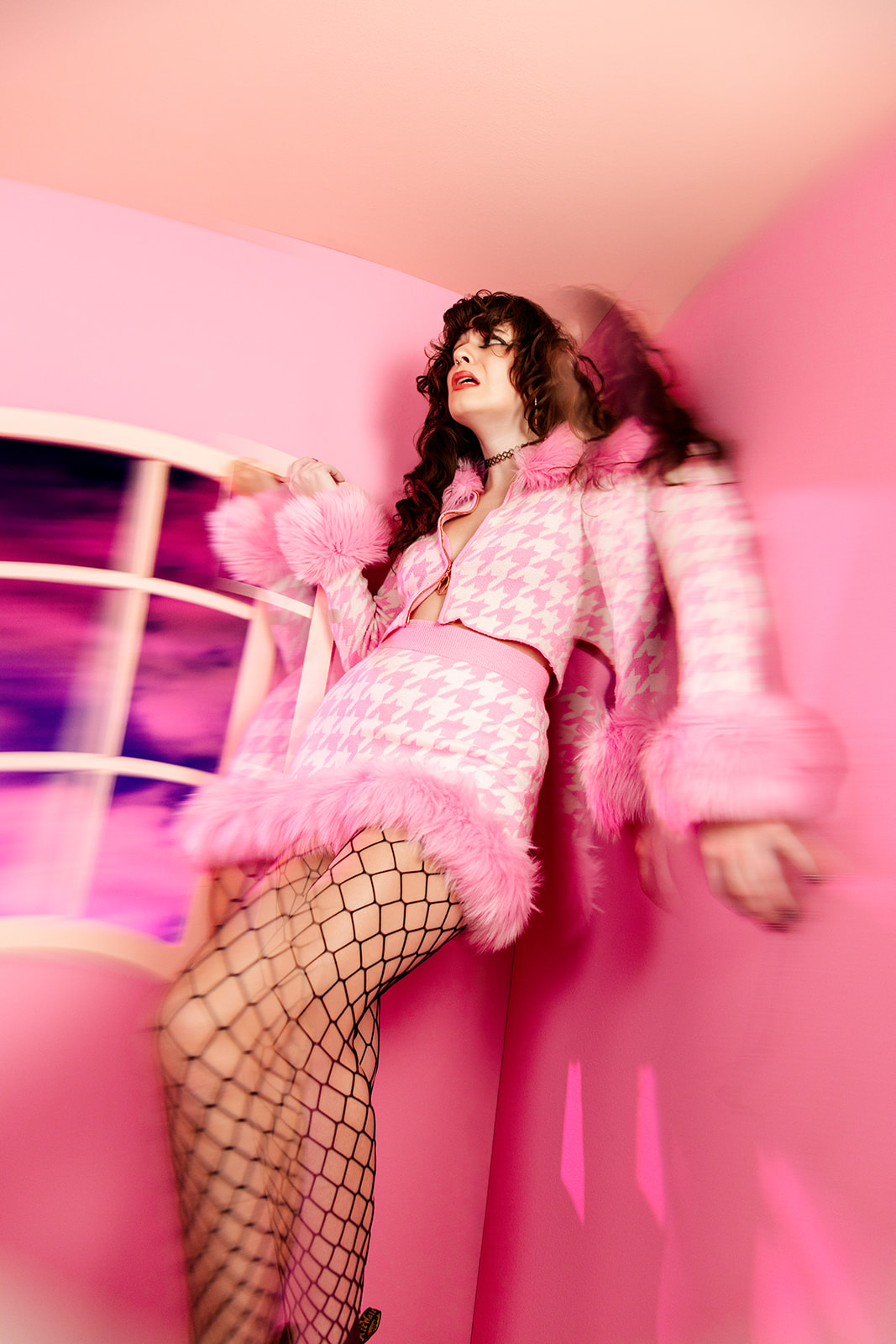
We didn’t use this filter just because it looked cool. We chose it intentionally to amplify the emotion and support the concept.
How do you choose the right filter?
If you want to use filters well, try asking yourself:
- What emotion do I want the viewer to feel?
- Should the effect be subtle or disruptive?
- Does this filter support the concept or distract from it?
- Would lighting or posing communicate this better, or is the filter essential?
- Am I using the filter because I can, or because the story needs it?
The right filter serves the concept. Not the other way around. I think that’s a really important distinction to make.
What the Ghost Filter Added
The ghosting effect exaggerated the panic-attack sensation we wanted to capture. The blur, the movement, the loss of clarity all added to the concept. It visually simulated that spiraling feeling where your mind and surroundings stop syncing.
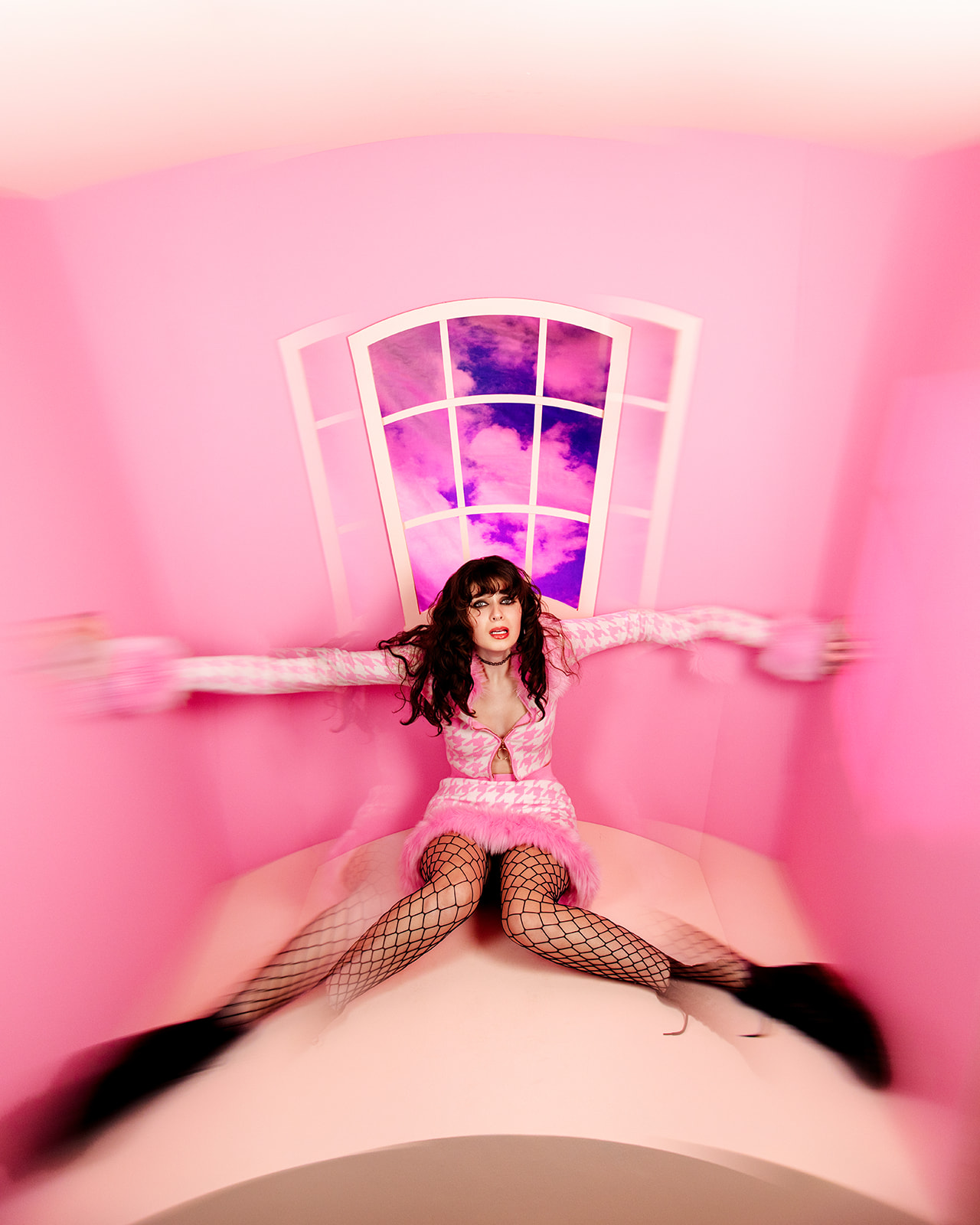
One of my favorite things about this filter is that you can rotate it while shooting to change the effect, making the mood feel unpredictable, which fit the theme perfectly.
Want to Experiment? Start Here.
If you want to start using filters to shape emotion, here are some of my favorite Prism Lens FX filters and what they communicate:
If you want your photos to feel…
-
Soft, dreamy, nostalgic
• Try this filter: Lucid Dream, Nostalgia, or Rose FX
• Why it works: Adds glow and warmth -
Chaos, distortion, discomfort
• Try this filter: Ghost FX
• Why it works: Motion blur and doubled edges -
Cinematic and ethereal
• Try this filter: Lucid Dream or Halo
• Why it works: Adds glow and atmospheric haze
Check out these blog posts if you want to see them in action.
If You Want to Try One
You can use our discount code JADAANDDAVID to get 15% off anything on the Prism Lens FX site.
Photography doesn’t become powerful because it’s technically perfect. It becomes powerful when it makes people feel something.
And when you start choosing tools intentionally to support emotion rather than just aesthetics, your work stops being just pretty or cool and starts becoming unforgettable.