Photographers never really talk about this, but I think all of us feel it at some point.
Actually, I think a lot of people experience it and don’t even know how to put words to it. But it definitely impacts photographers, and the more shoots I do, the more I realize how real it actually is.
Have you ever frozen a little during a shoot?
Has your mind ever suddenly gone blank in the middle of a photoshoot and not known what to do next?
You may have thought it was nerves. But it may have been something else.
Decision fatigue.
I recently got hit with a wave of decision fatigue mid-shoot that almost derailed the entire photoshoot.
Good photographers make photography look effortless from the outside. But any photographer understands how much effort, intention, hardwork, and hours of practice went into making it look that way from the outside. During a photo shoot, photographers' brains are constantly running in overdrive in the background.
Is this pose working?
Should I adjust the lights or my ISO?
Would this feel stronger on a wider lens?
Should I fix the model’s flyaway hair now or edit it out in post?
Should I fix that shadow by raising the light or adjusting the pose instead?
Am I communicating clearly enough?
No matter what type of photography you do, whether it’s weddings, portraits, studio work, products, or fine art, photographers are constantly making hundreds if not thousands of tiny decisions during every shoot.
And the wild part is, most photographers get so used to making those decisions that we stop realizing how mentally exhausting it actually is.
It’s a lot. There’s a reason photography is expensive. Contrary to what anyone may think, being a photographer is not an easy job.
A good photographer is equal parts therapist, director, and artist. We have to manage a set, stay on the timeline, make models feel comfortable and deliver creatively.
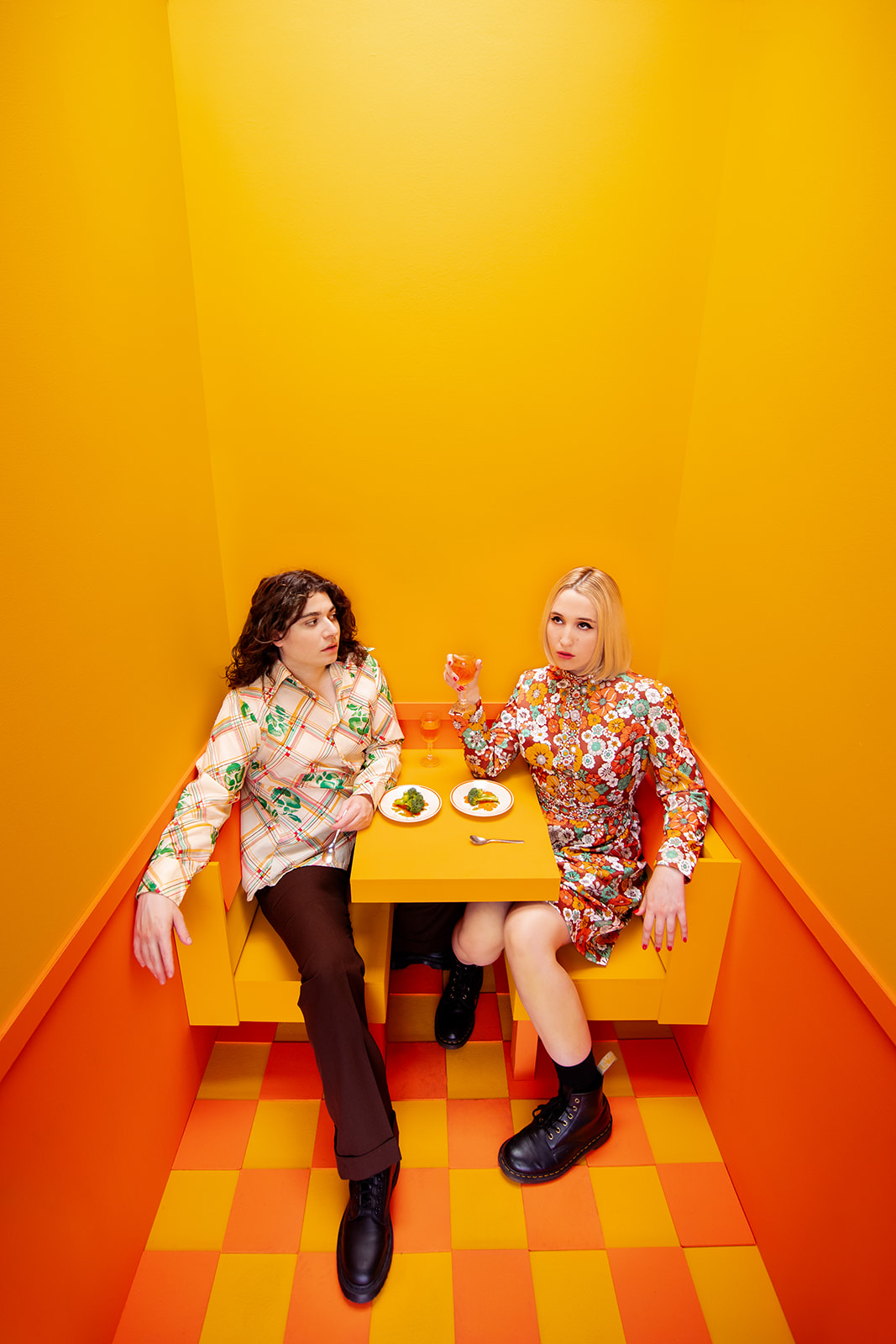
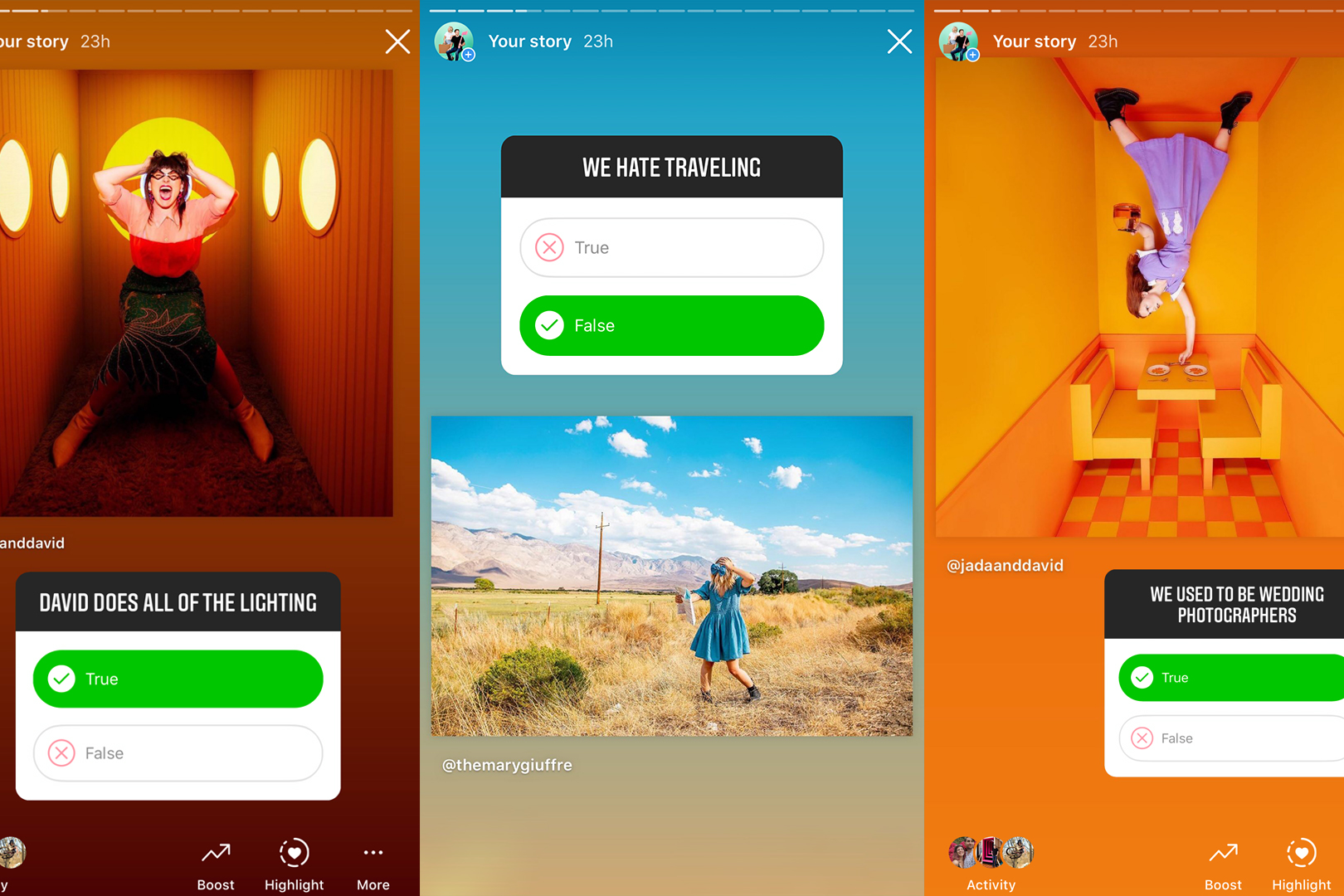
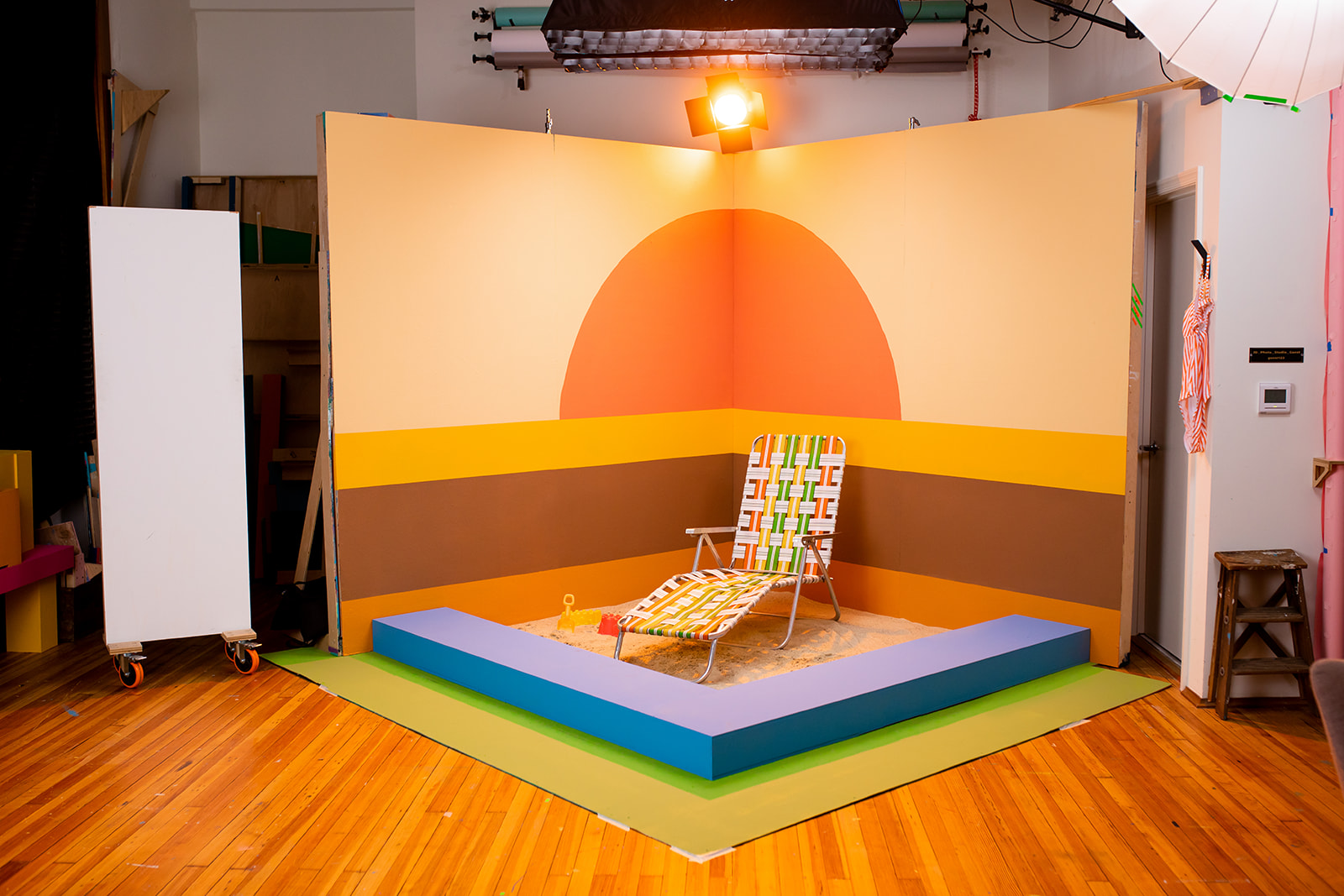
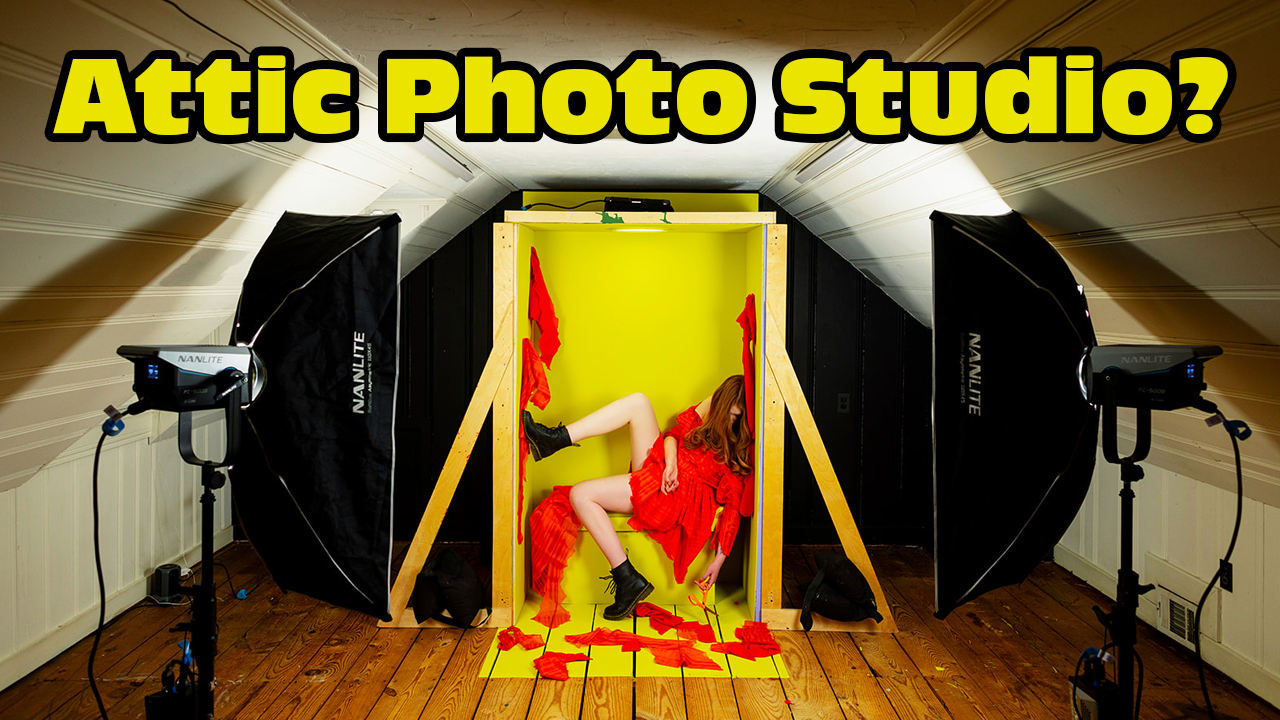
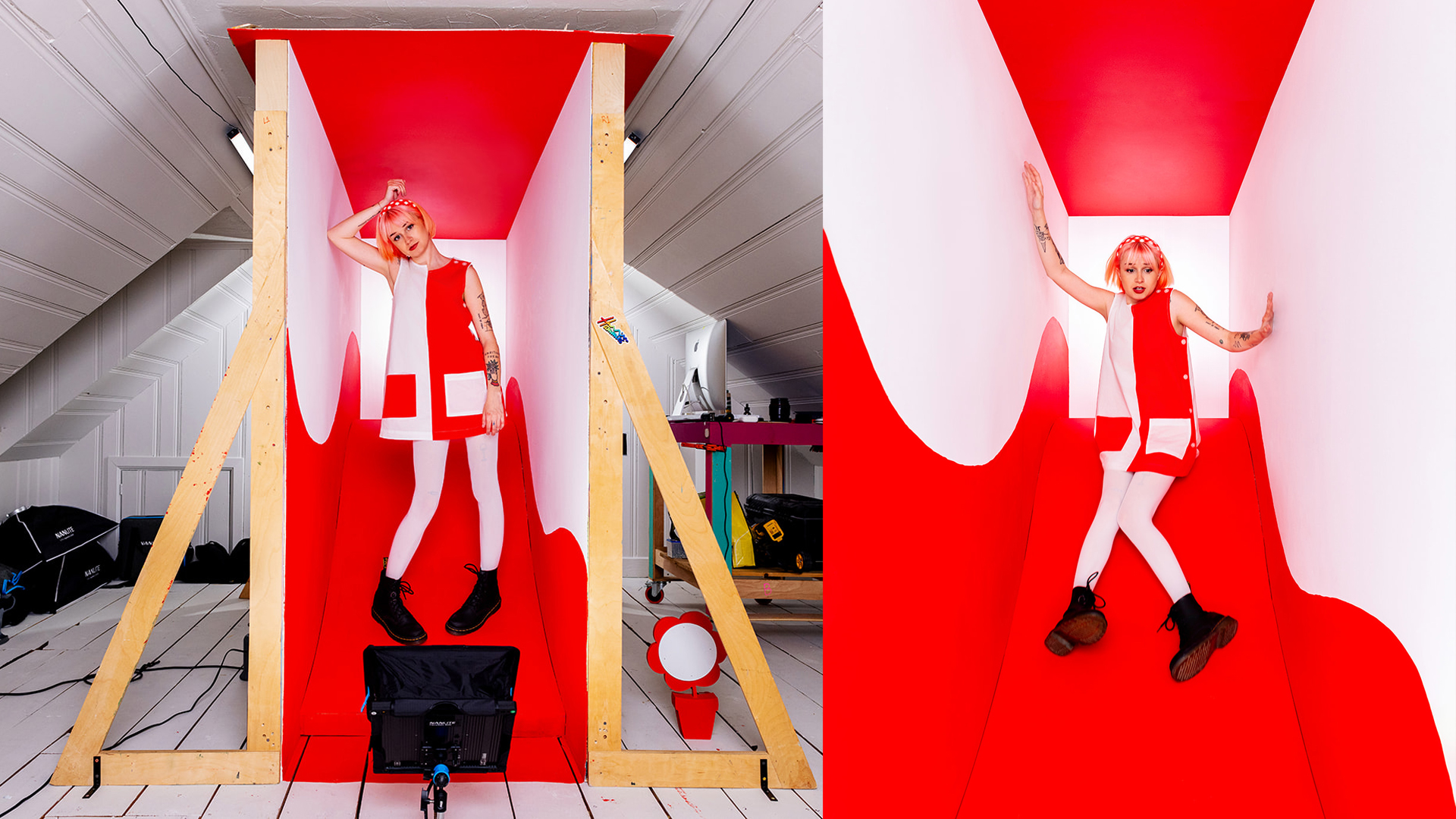
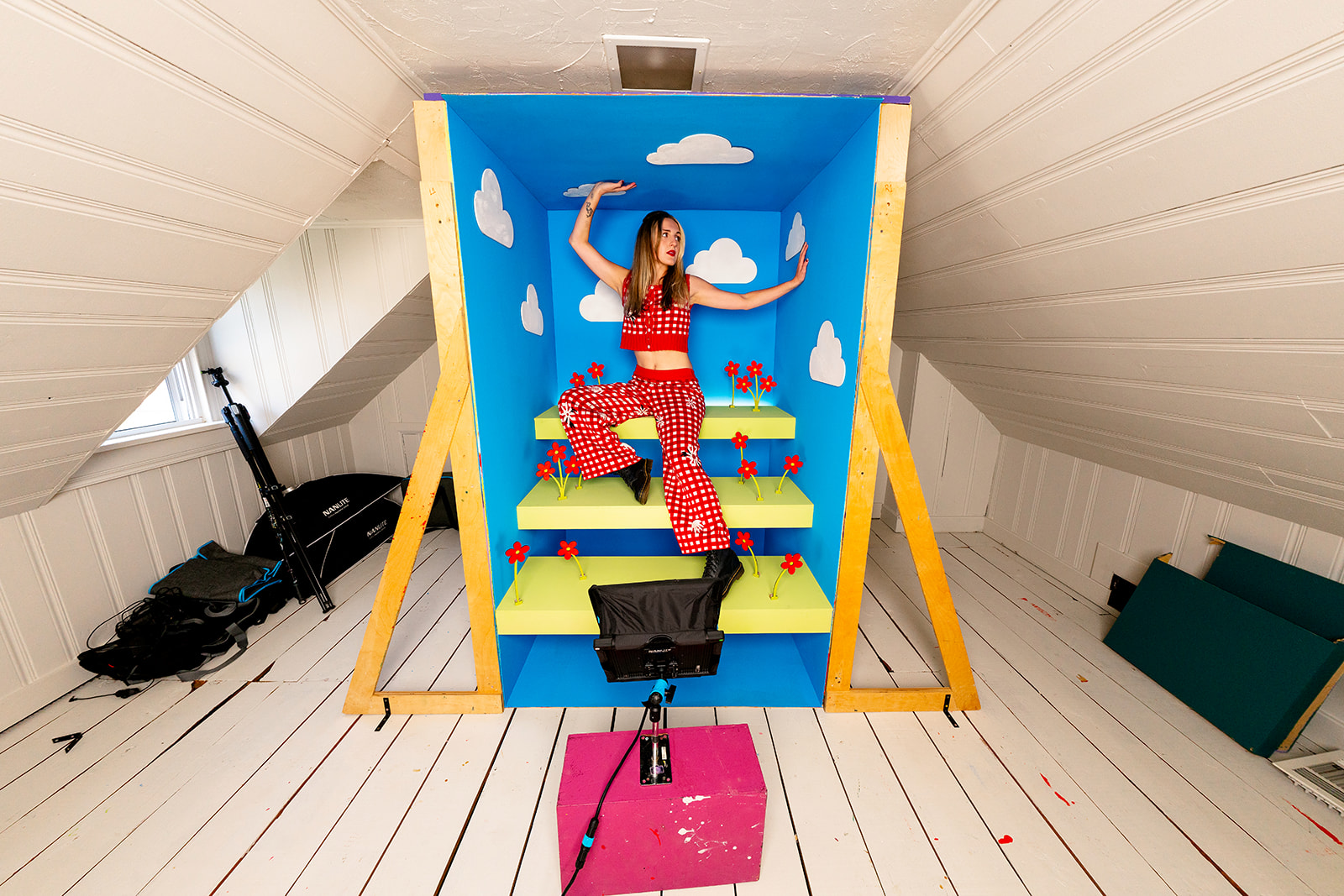
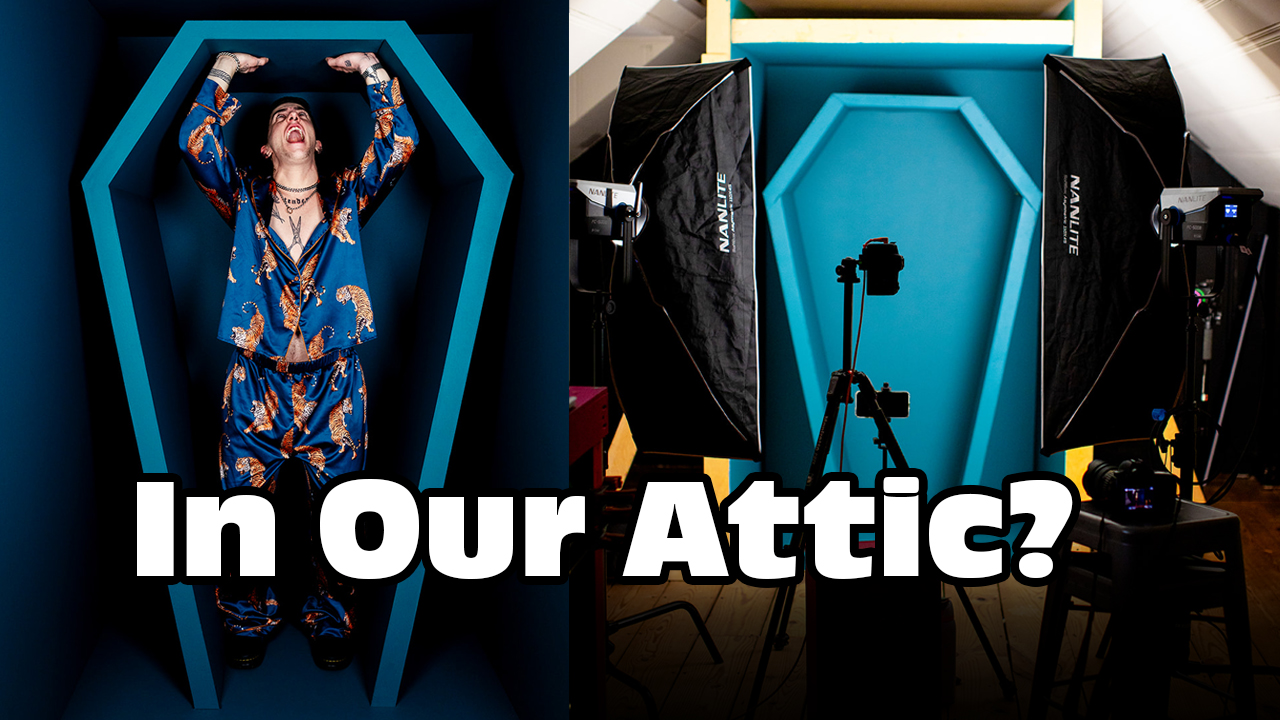
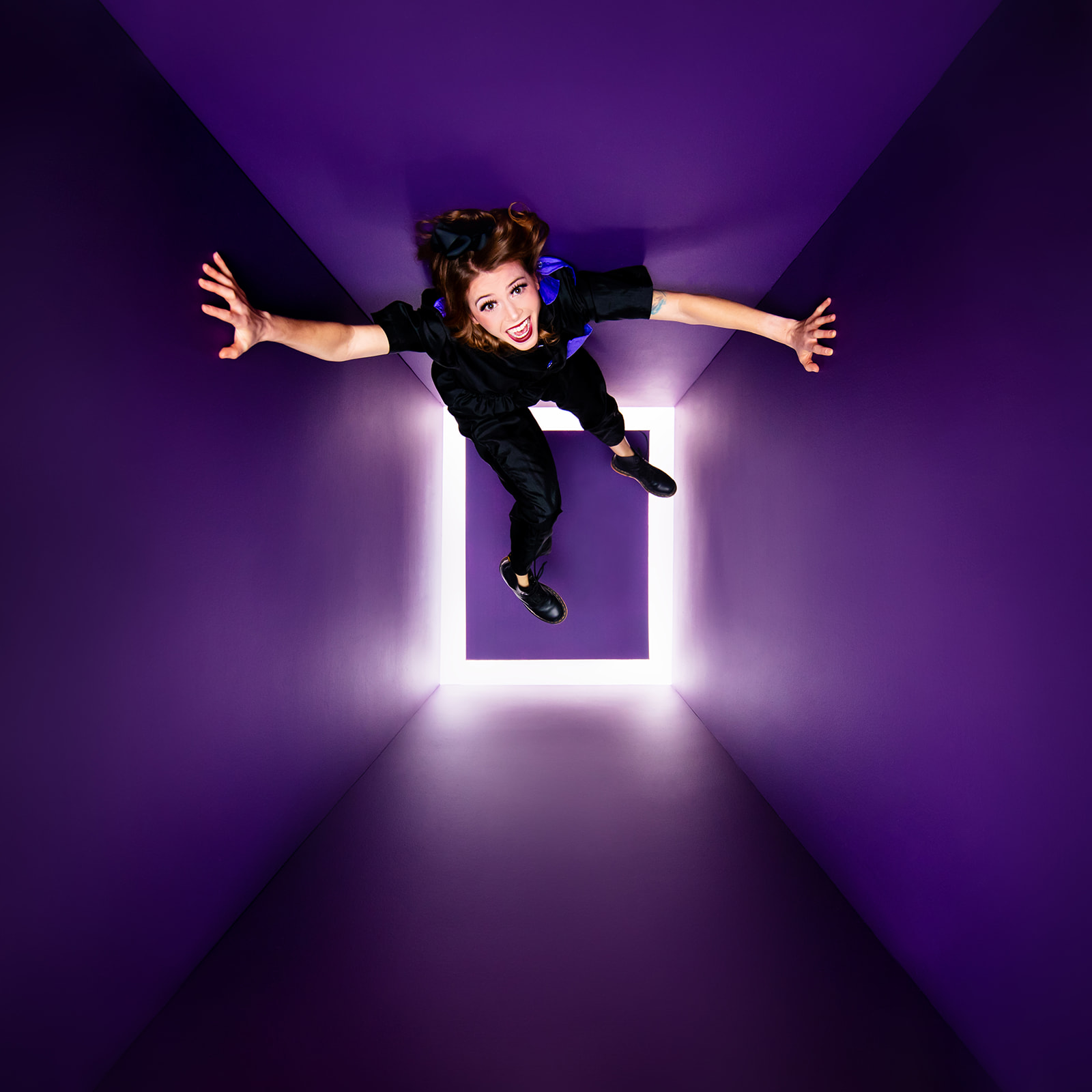
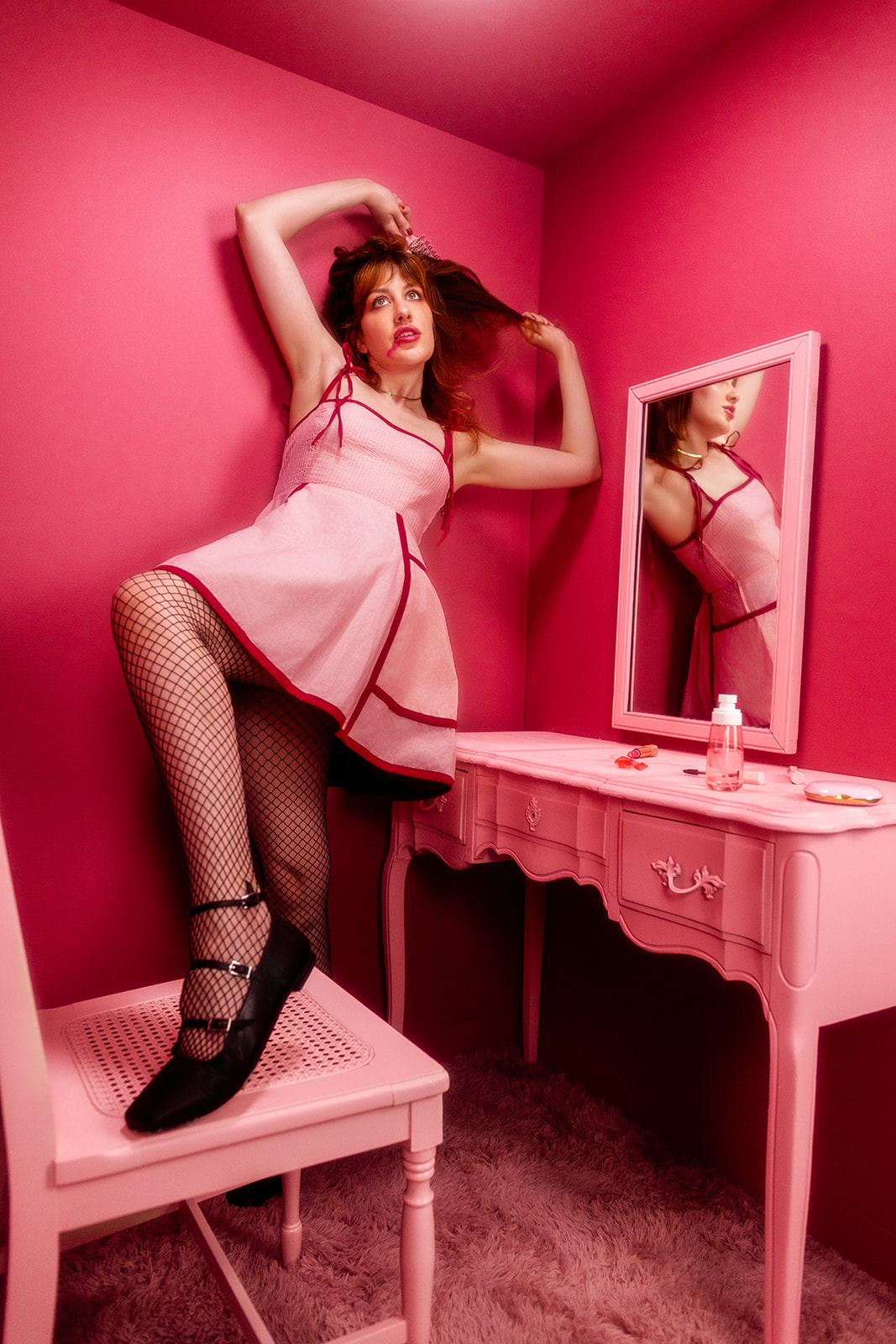
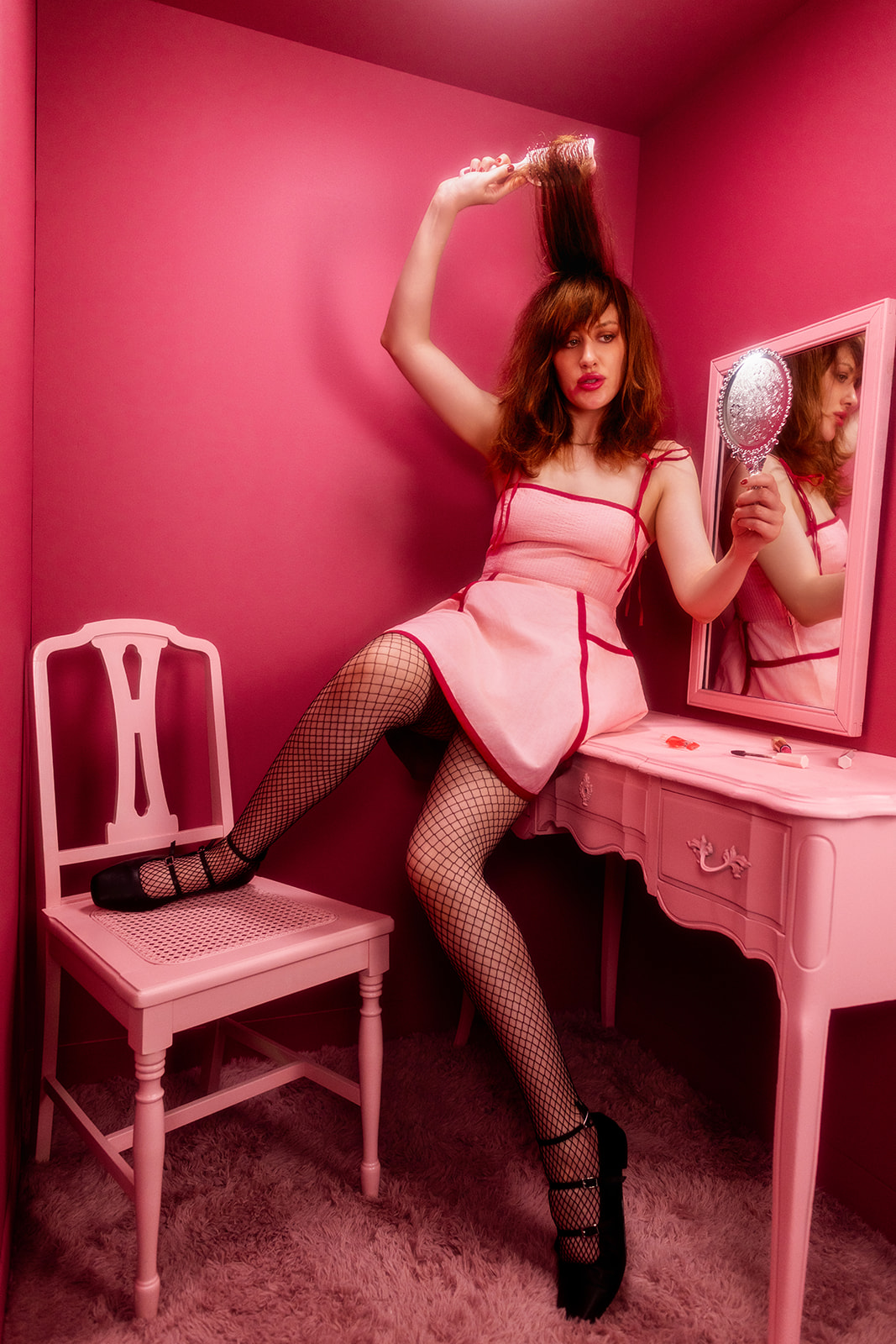
The shoot where vulnerability and decision fatigue really hit hard for me was part of a personal project David and I are working on called the Attic Series, where we turned our attic into a photo studio and committed to building 25 sets and doing 25 shoots inside this tiny space.
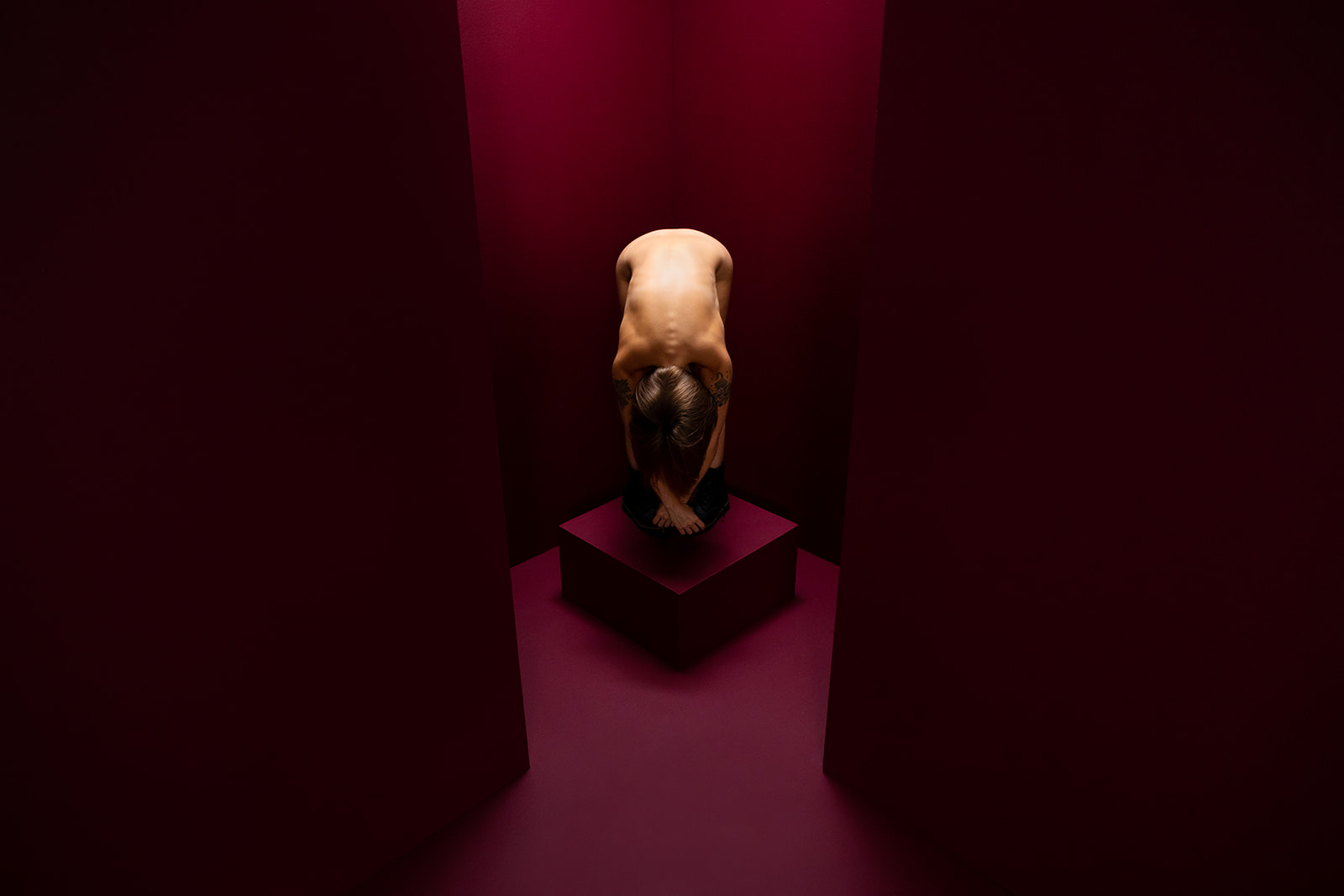
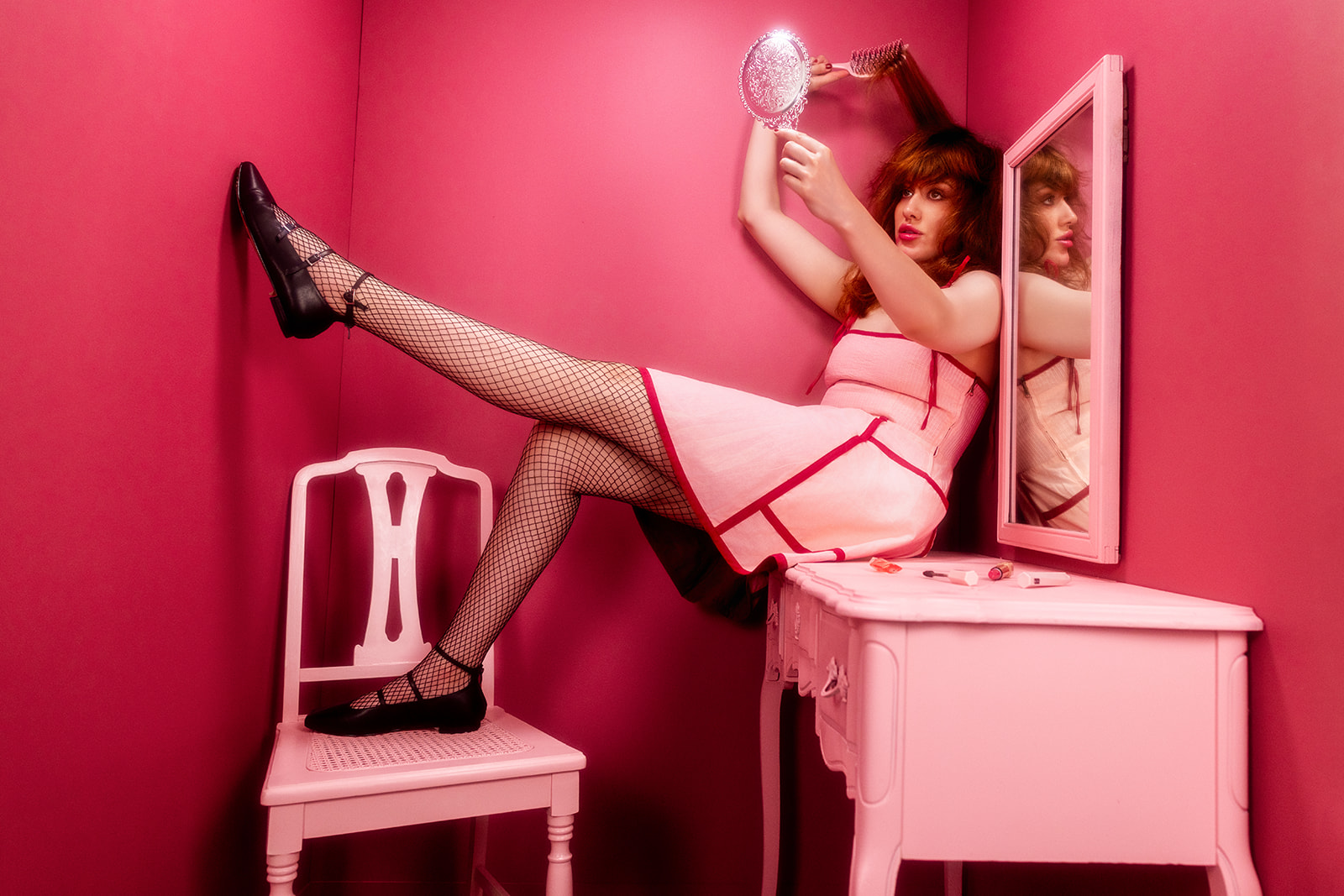
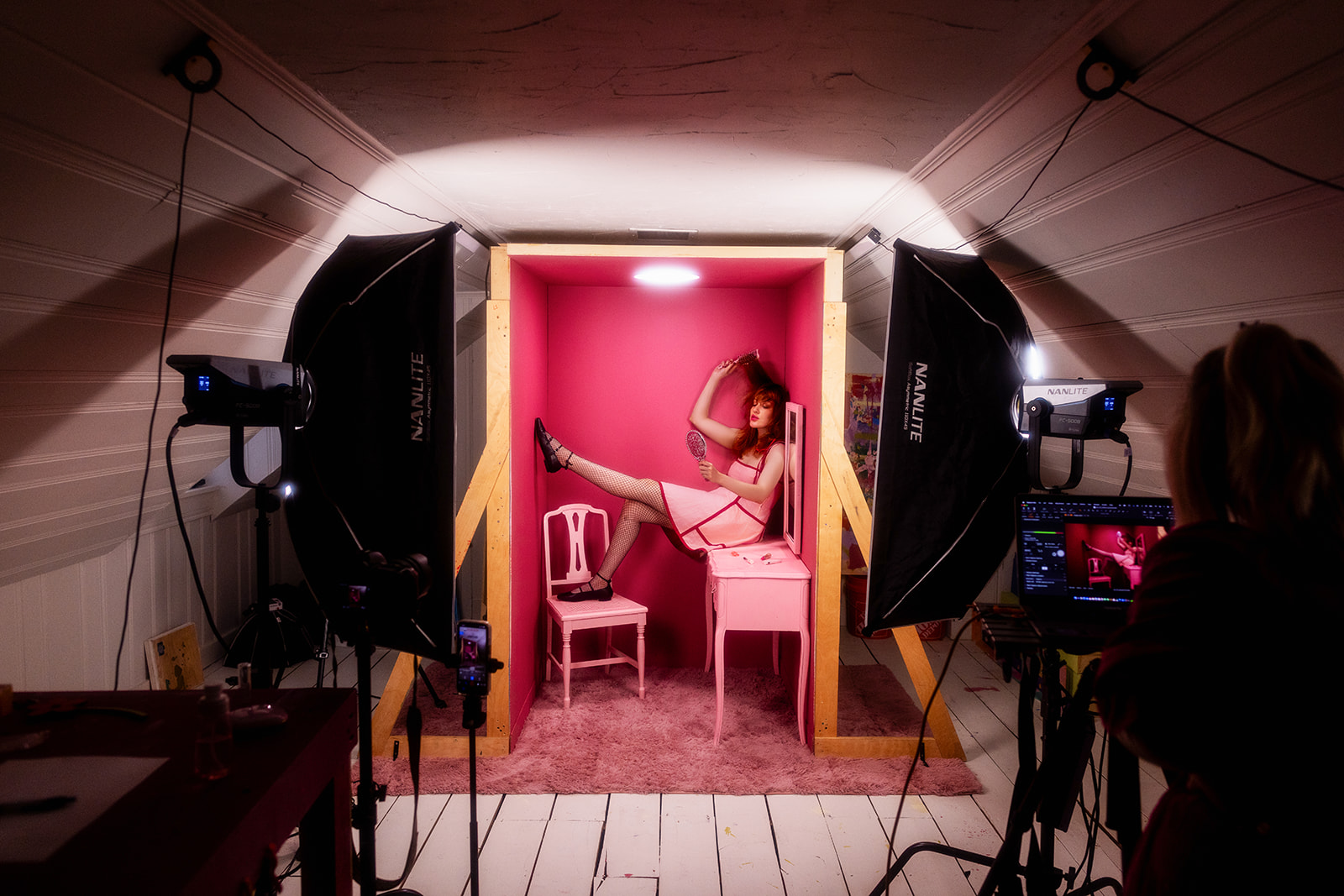
This particular shoot was called “Oh, The Vanity.”
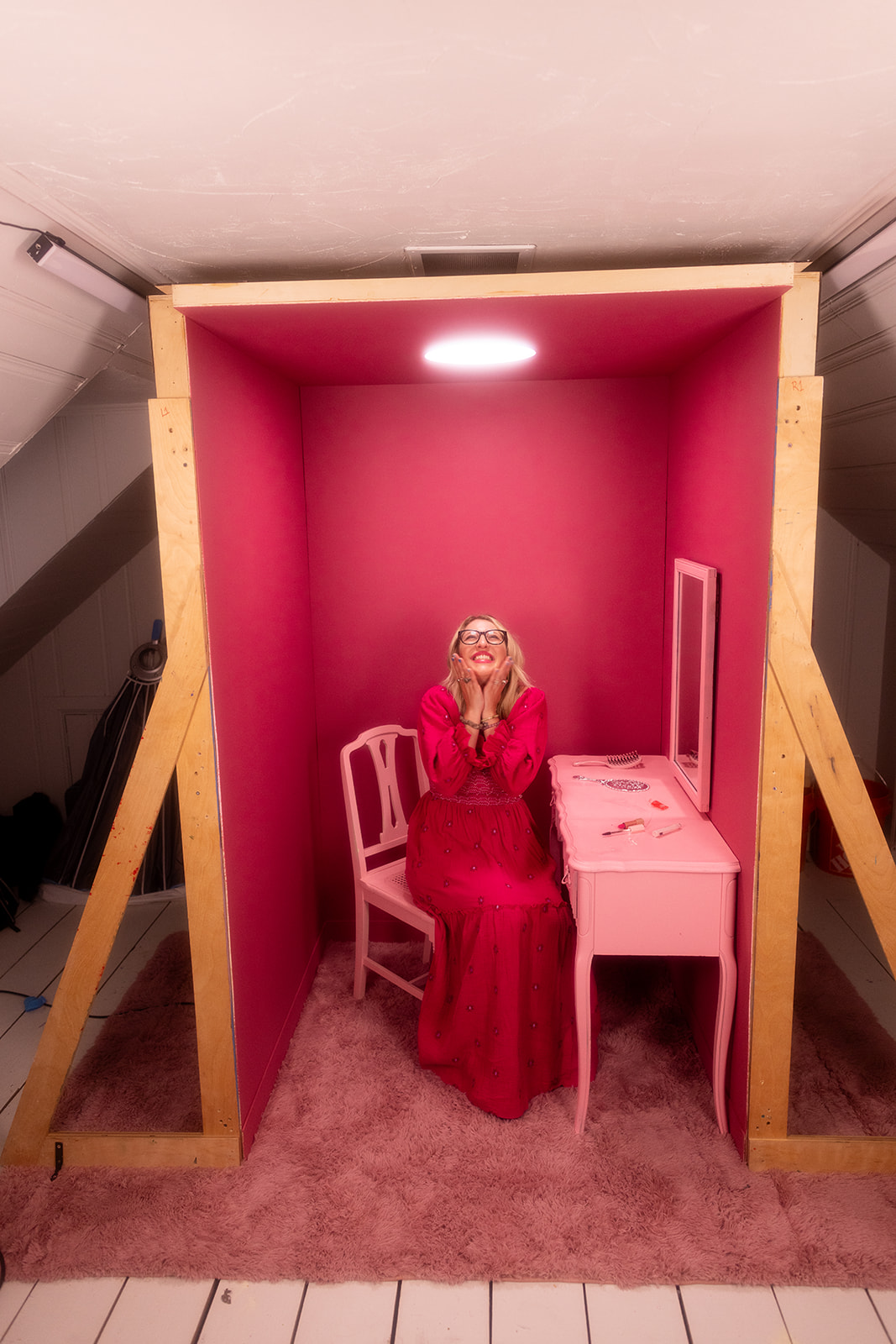
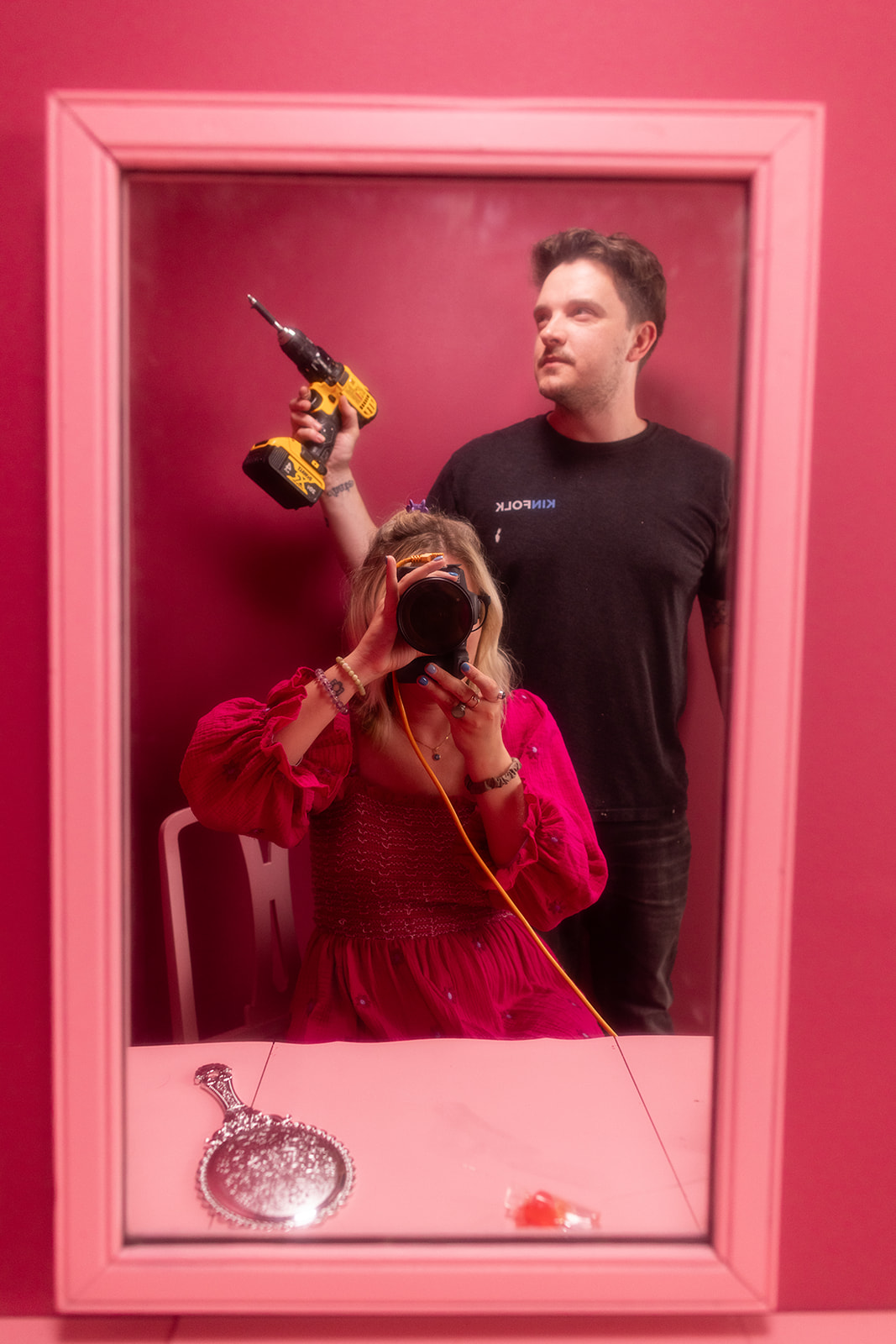
The concept explored the weird line between self-obsession and self-loathing. Like how we are supposed to love ourselves...but only to a certain point before it becomes vanity. Asking the questions is vanity a good or a bad thing?
Whenever I’m the one bringing the core concept to the table, there’s automatically more vulnerability attached to the shoot.
Because it feels so much more personal. If the shoot flops or the concept doesn’t translate, it’s my fault.
Before I even touched the camera, there had already been so many decisions made.
We went thrifting for the vanity. Debated which vanity would work best. Picked wardrobe. Matched paint colors to the outfit. Built the set.Worked through lighting choices. Figured out props and styling.
Even pre-production is basically just one long chain of decisions.
Then the shoot started.
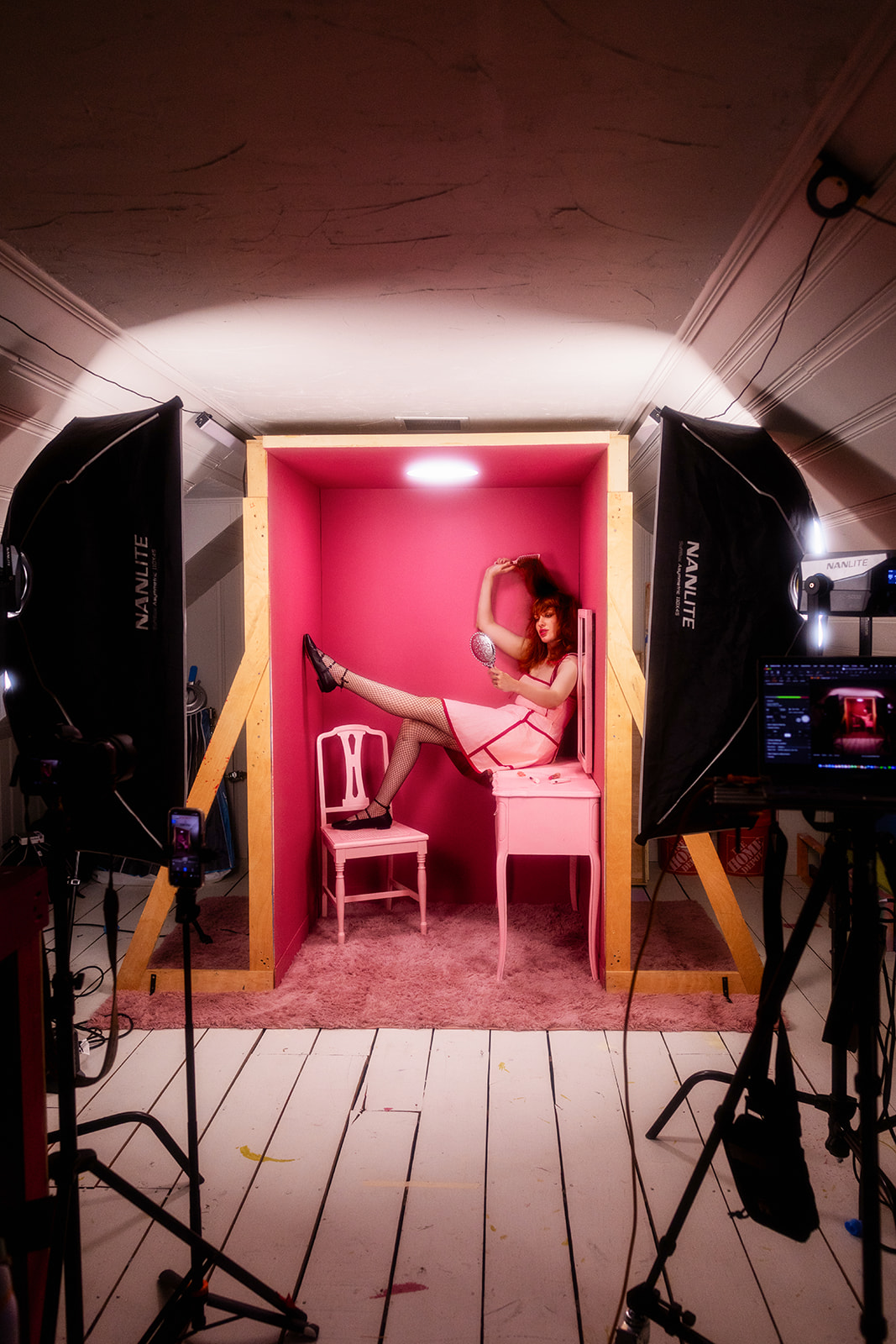
Usually I begin photoshoots on a tripod so I can really lock into the lighting, posing, and rhythm of the set before eventually going handheld and experimenting more.
But on this shoot, the set itself was pretty simple. Just three flats and a thrifted vanity we spray painted. So I decided to shoot handheld from the beginning.
And for some reason, that tiny workflow change completely threw me off.
I felt so in my head.
Every decision suddenly felt harder than it should have.
Should I shoot lower?
Is this angle actually working?
Should the posing feel more dramatic?
Am I pushing the concept far enough?
Or am I completely overdoing it?
If you know, you know….and please tell me I’m not the only one who has all of these thoughts running through my head as I’m simultaneously acting super confident on the outside and directing my model.
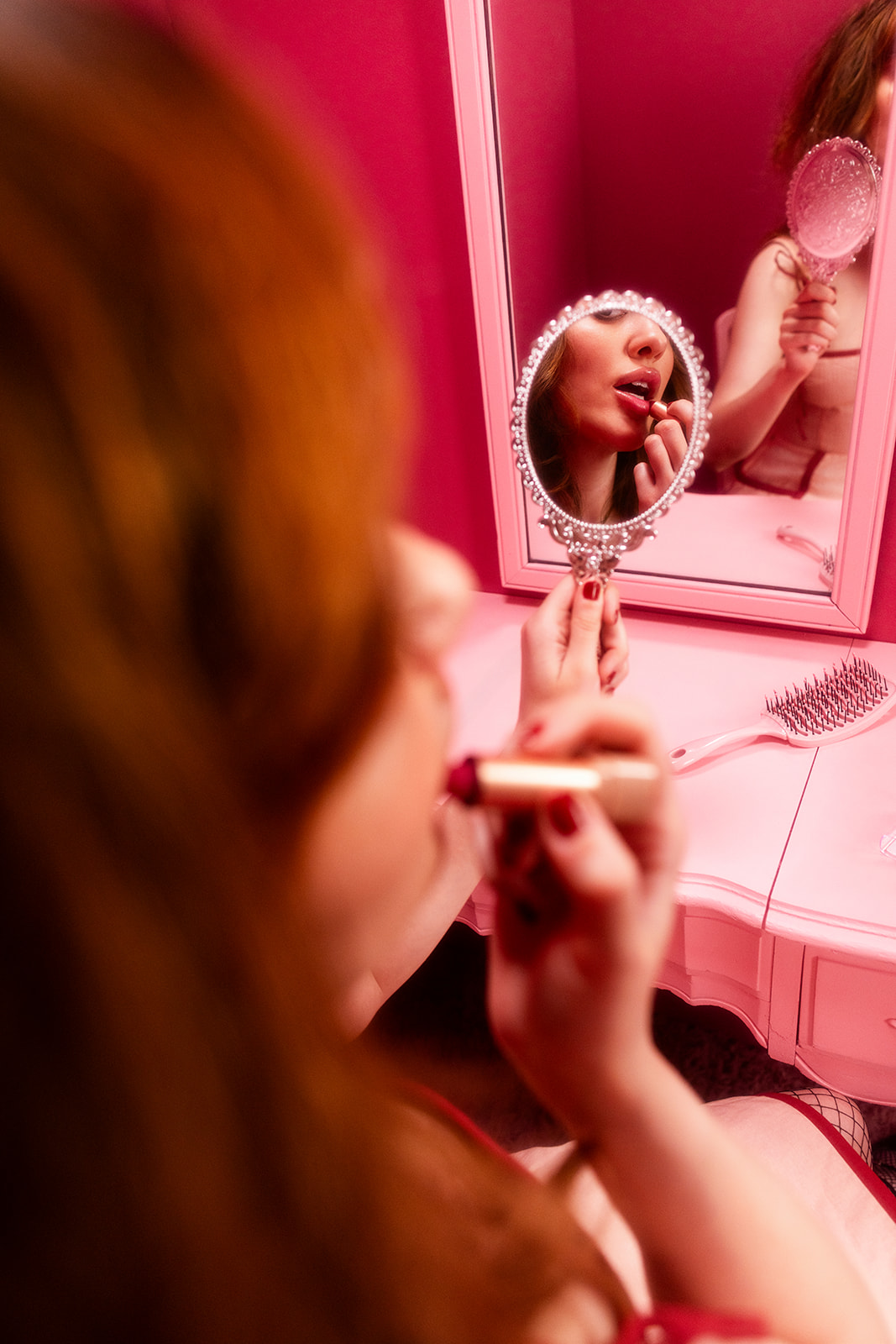
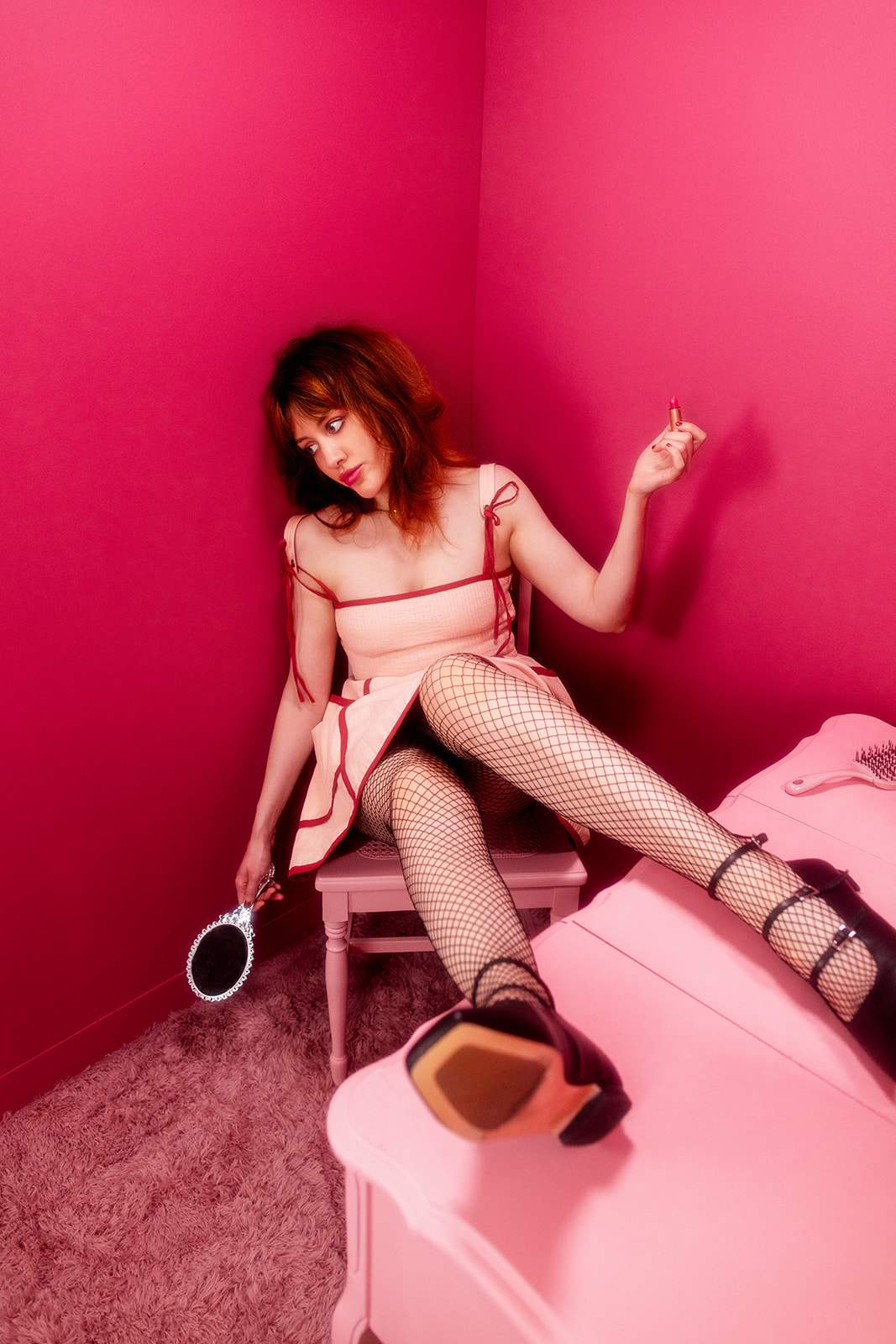
The weird part was this was not even a high pressure shoot. There was no client to impress. No campaign deadline. This shoot was just part of a personal project.
It wasn’t nerves. It was decision fatigue.
I was tired. I’d made so many creative decisions in the past 24 hours that my brain was fried. It was running on fumes.
The thing that grounded me and probably saved the entire shoot was our workflow. And thank goodness I had that to fall back on and ground me mid-spiral.
Throughout the Attic Series we’ve been using the Tether Tools AeroTrac workstation as our command station. I’ve been shooting tethered and everything I photograph during the shoot gets sent directly from the camera into our laptop. So, David can see everything I am photographing in real time.
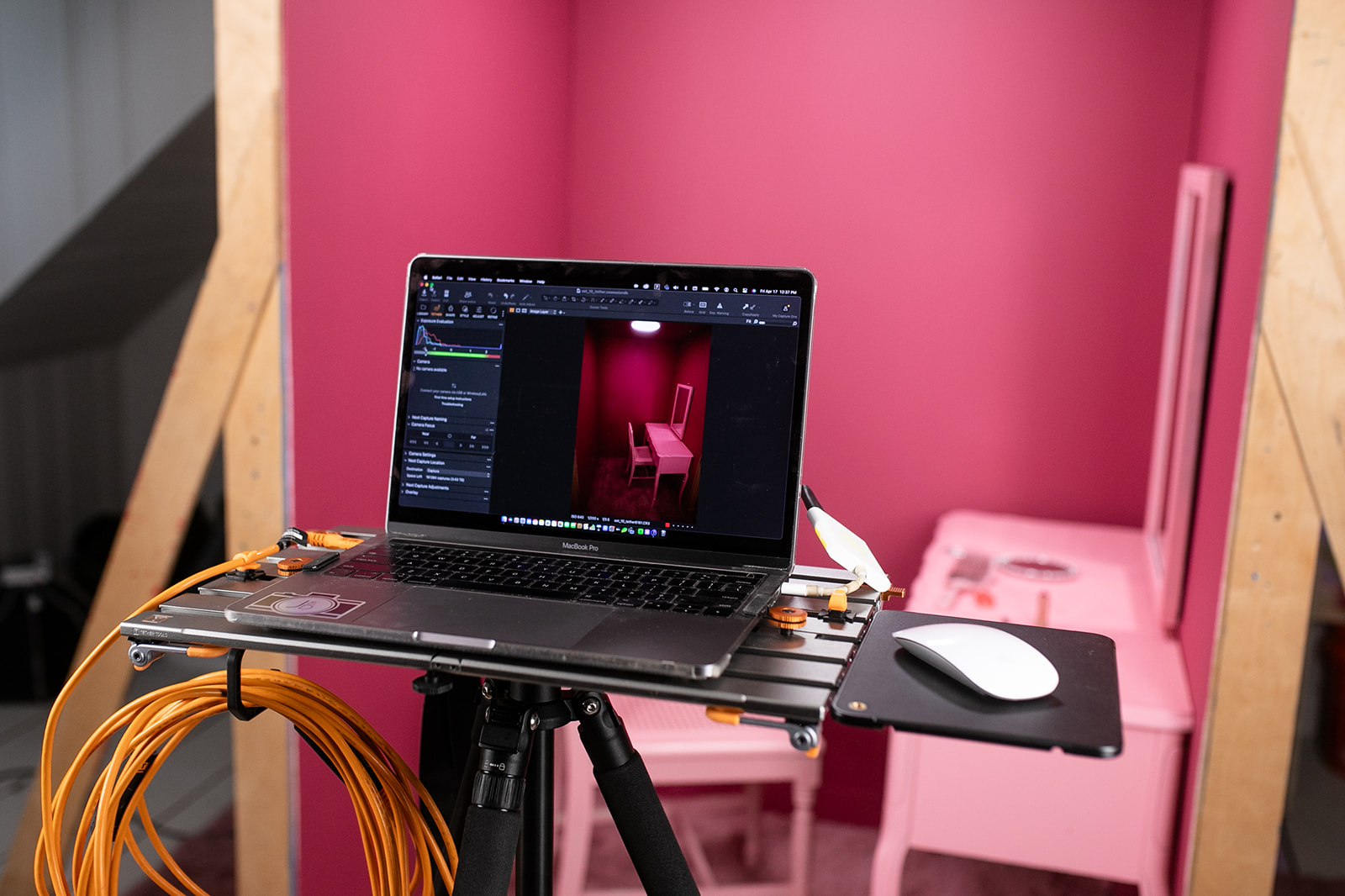
David could immediately tell something was off with me. He could tell me energy was off and I wasn’t being as vocal as normal with my direction.
He gave me some words of encouragement that the photos were looking good and suggested I come over to the Aerotrac Workstation to look through the images. I was able to look back through everything I had just shot, zoom in, check focus, really step back and consider if all of my choices were working. It gave me the opportunity to get out of my head and actually see things clearer on the laptop screen.
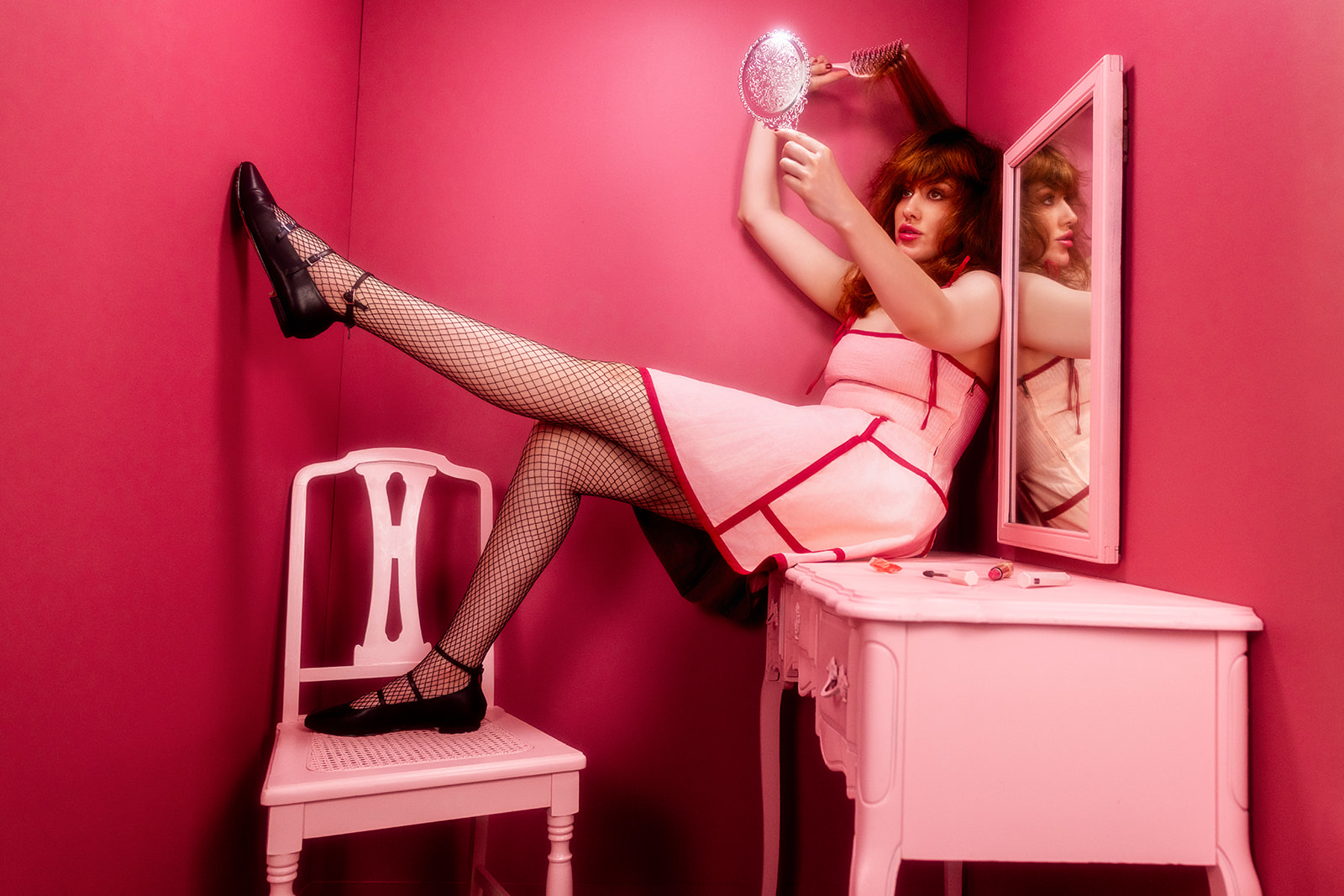
Being able to look back at everything on a bigger screen really helped give me confidence in the direction I was going and come back to the shoot with more certainty.
I realized the photos were actually good. I just couldn’t see it while I was in the middle of the spiral.
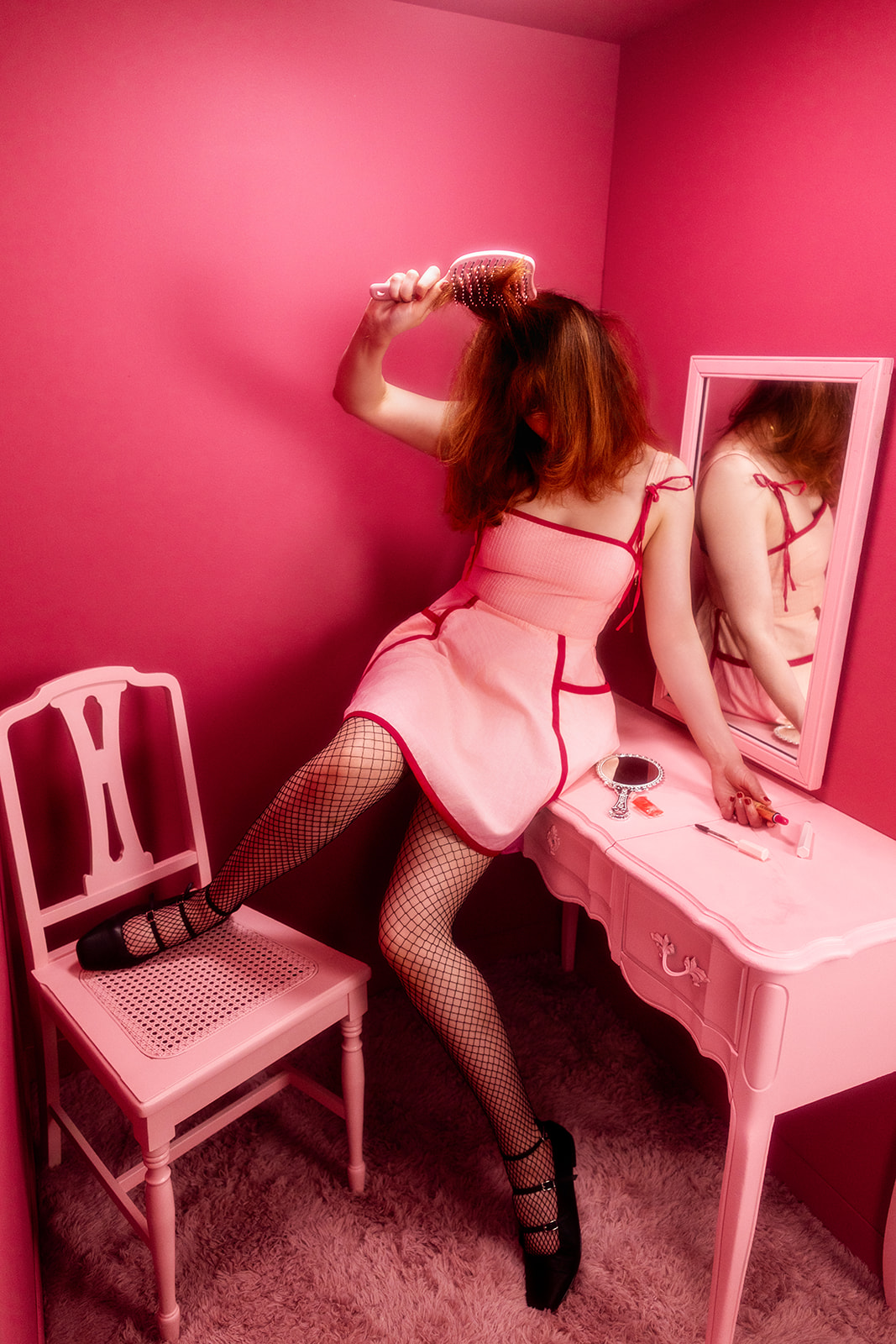
If you watch the behind the scenes video from this shoot, you can literally see the shift happen in real time. Halfway through the shoot my confidence comes back. I get louder. The posing gets weirder. The images get stronger.
I think photographers assume experience eventually removes self-doubt.
But I think experience mostly teaches you how to move through it faster.
Creative work is vulnerable. Especially when you deeply care about what you’re making.
One of the best things you can do to help set yourself up for success is to build workflows and systems that support you when your brain starts wobbling a little.