There are certain days in a set build where everything changes.
You face the flats. You stand the walls up. You finally get paint on everything. You step back at the end of the day and suddenly there is a thing where there was nothing that morning.
Days 4 and 5 were not those days.
These were the days of structure.
And for this set, they might be some of the most important days of the entire build.
If you've downloaded David's set building course or watched any of our behind-the-scenes videos, you've probably seen how he normally builds flats. But this set is different.
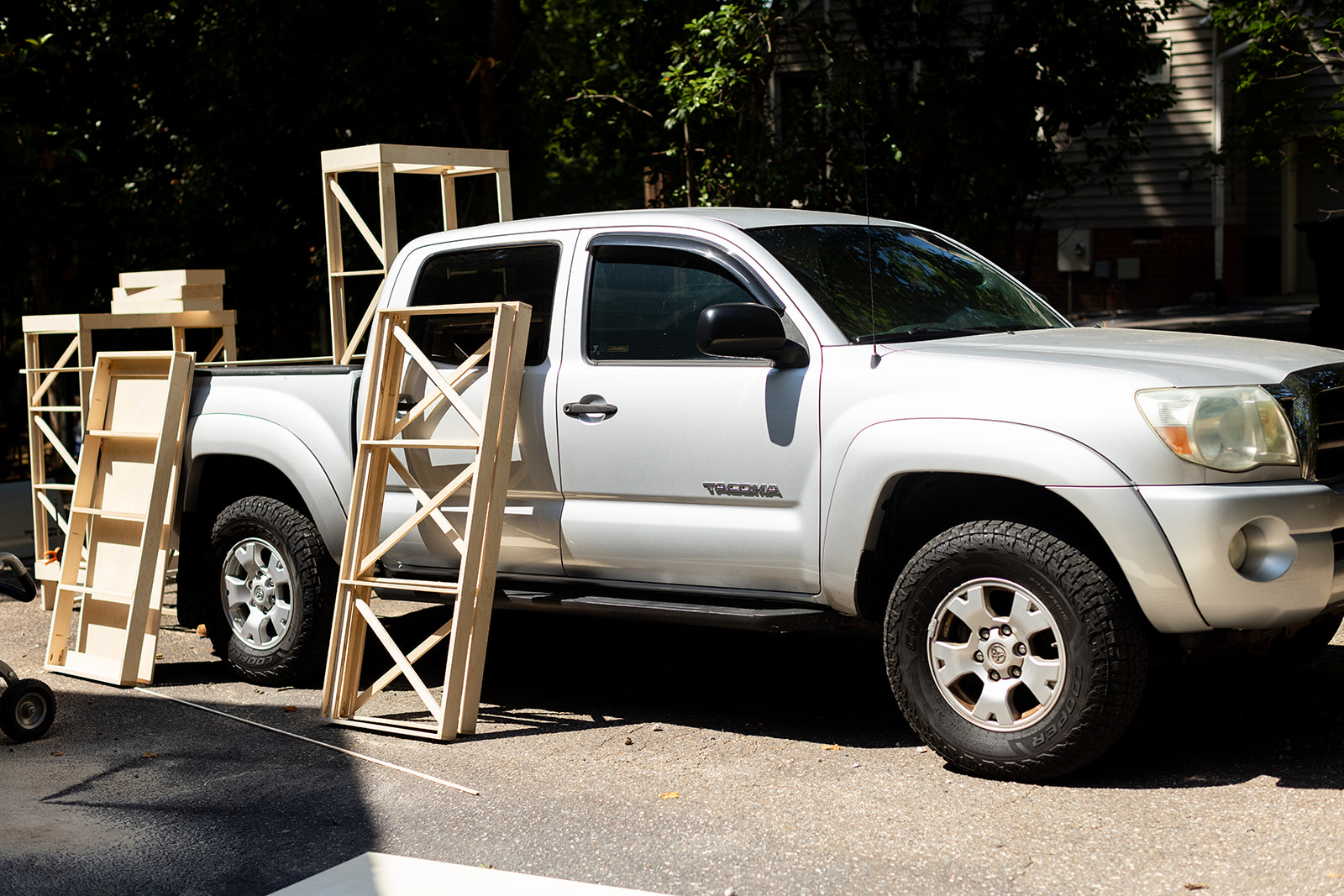
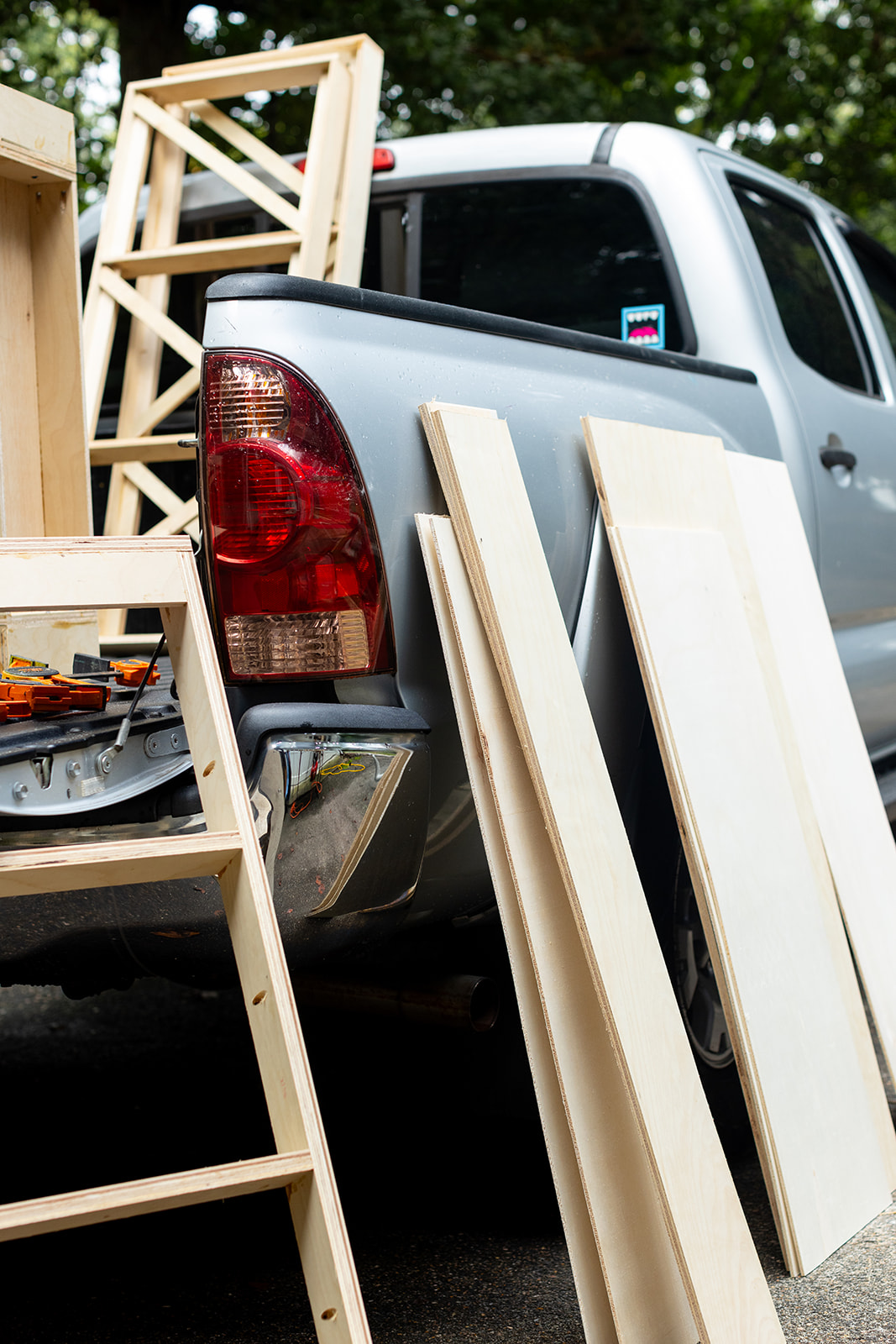
We're going to put it in the back of a truck and drive it across the country.
Which changes things.
We're thinking about highway speeds. Crosswinds. Vibration. Thousands of miles of bumps. This thing needs to survive long enough for us to photograph it in landscapes all over America.
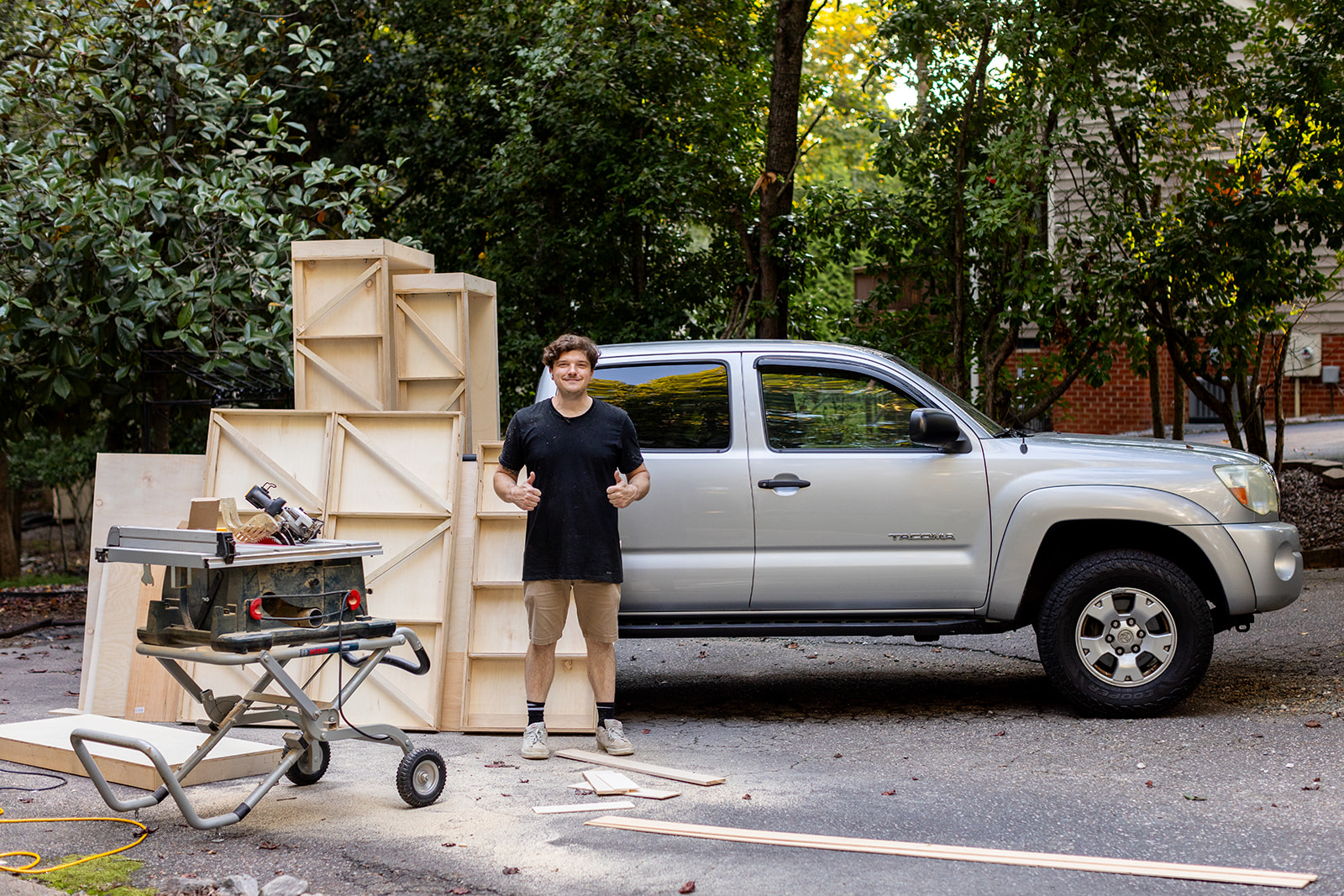
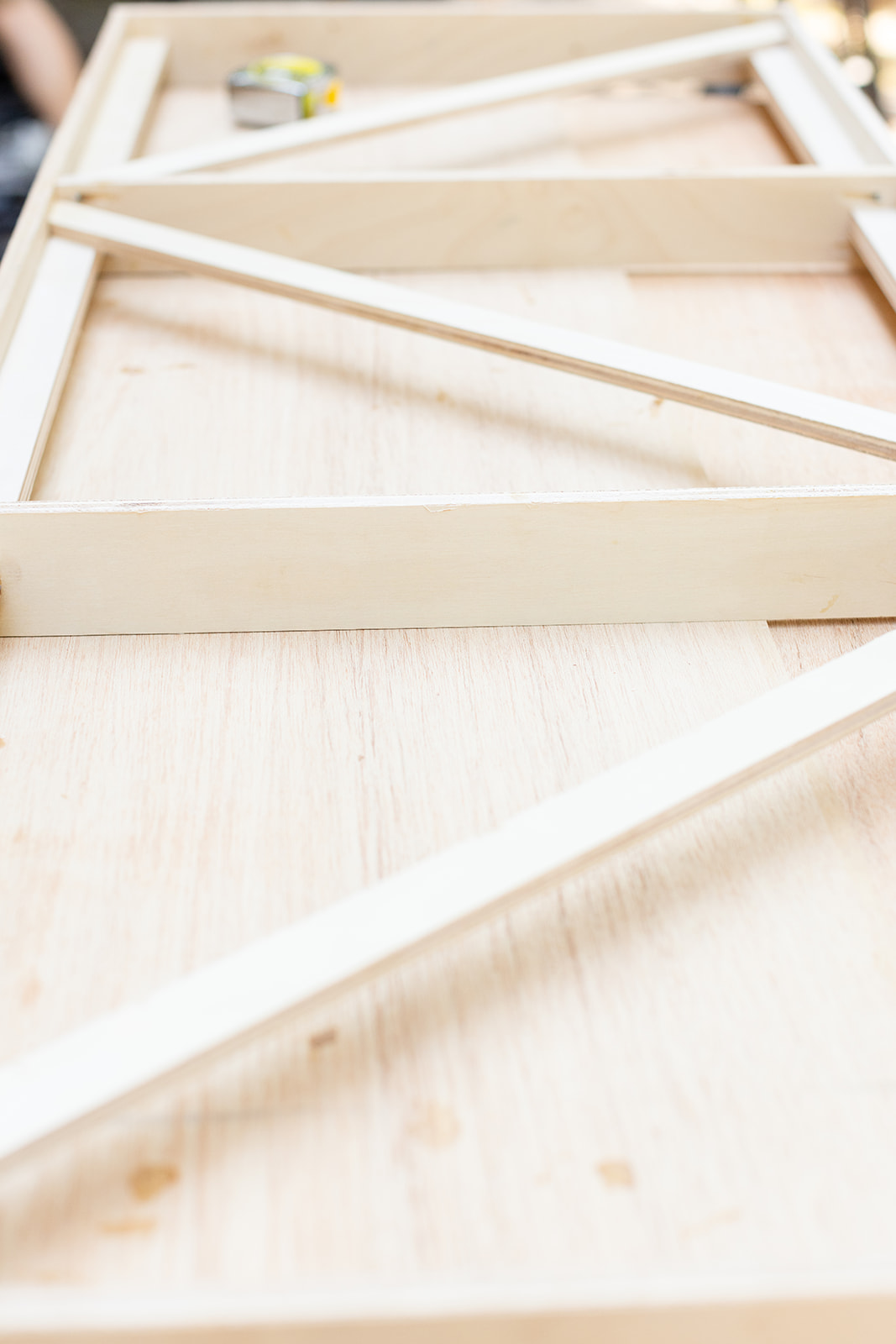
So David has been building these flats with significantly more framing than he normally would, adding triangles and reinforcement throughout.
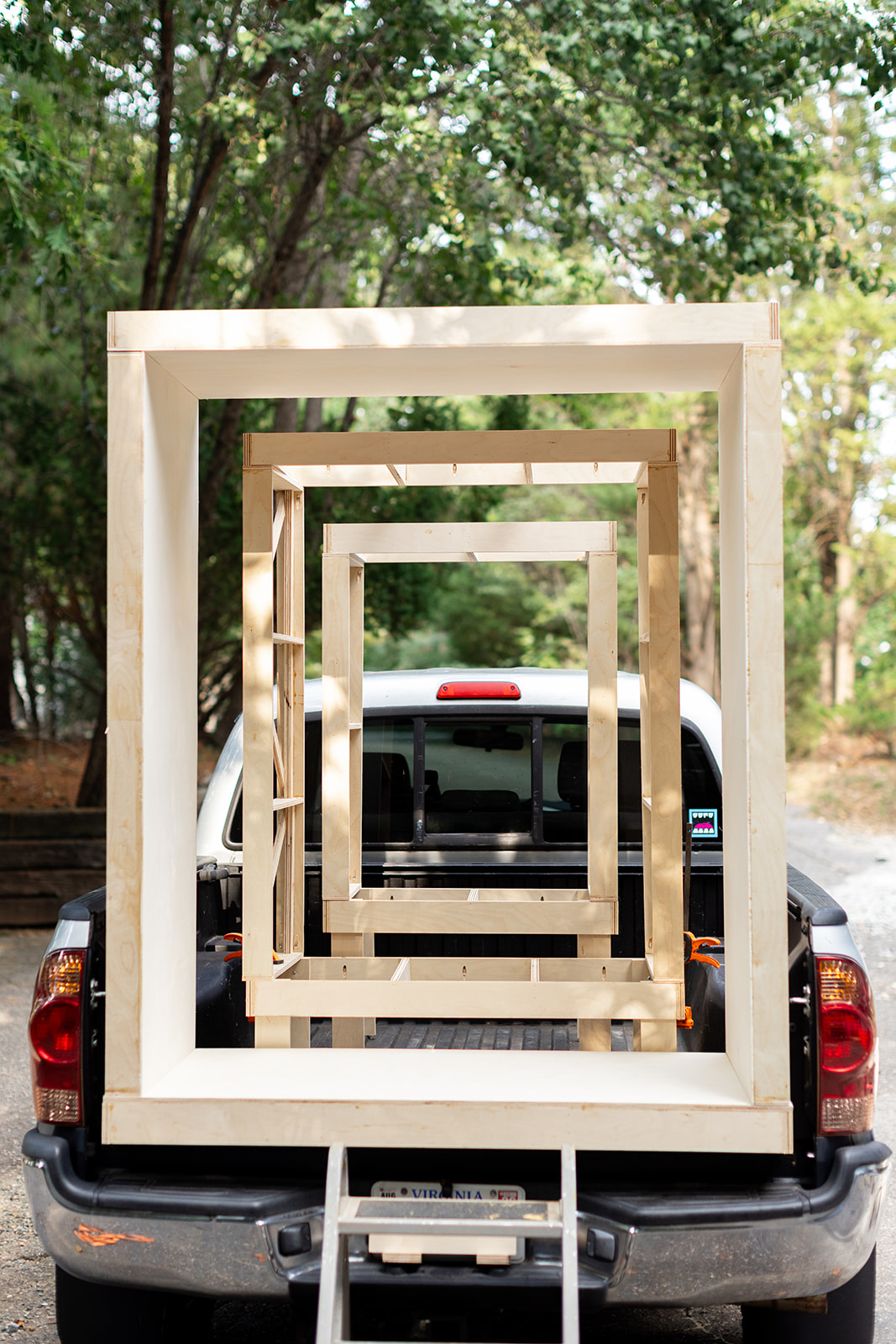
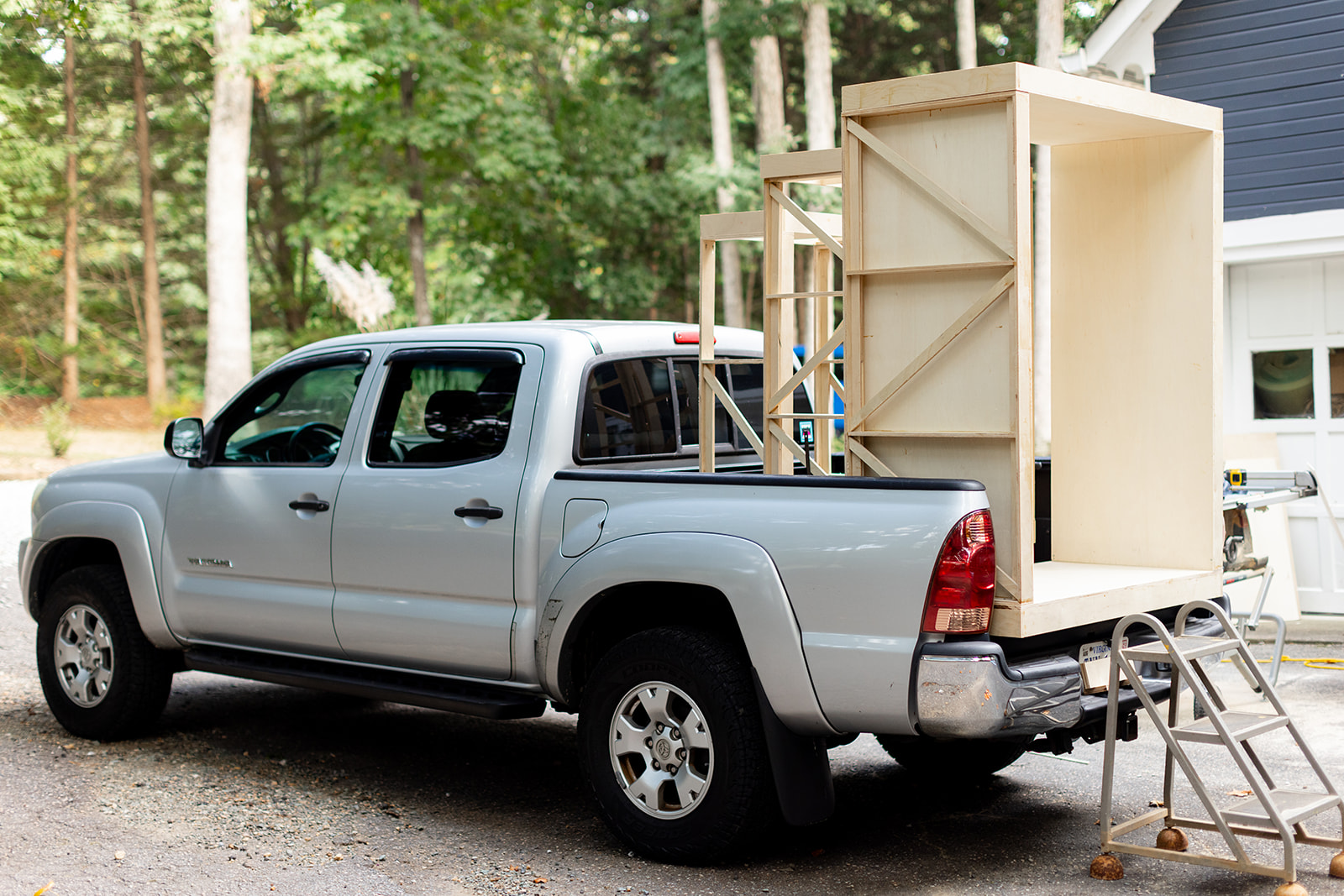
They're also double-sided.
Normally, the back of a set wall is framing, screws and whatever else is holding the thing together because no one is ever supposed to see it.
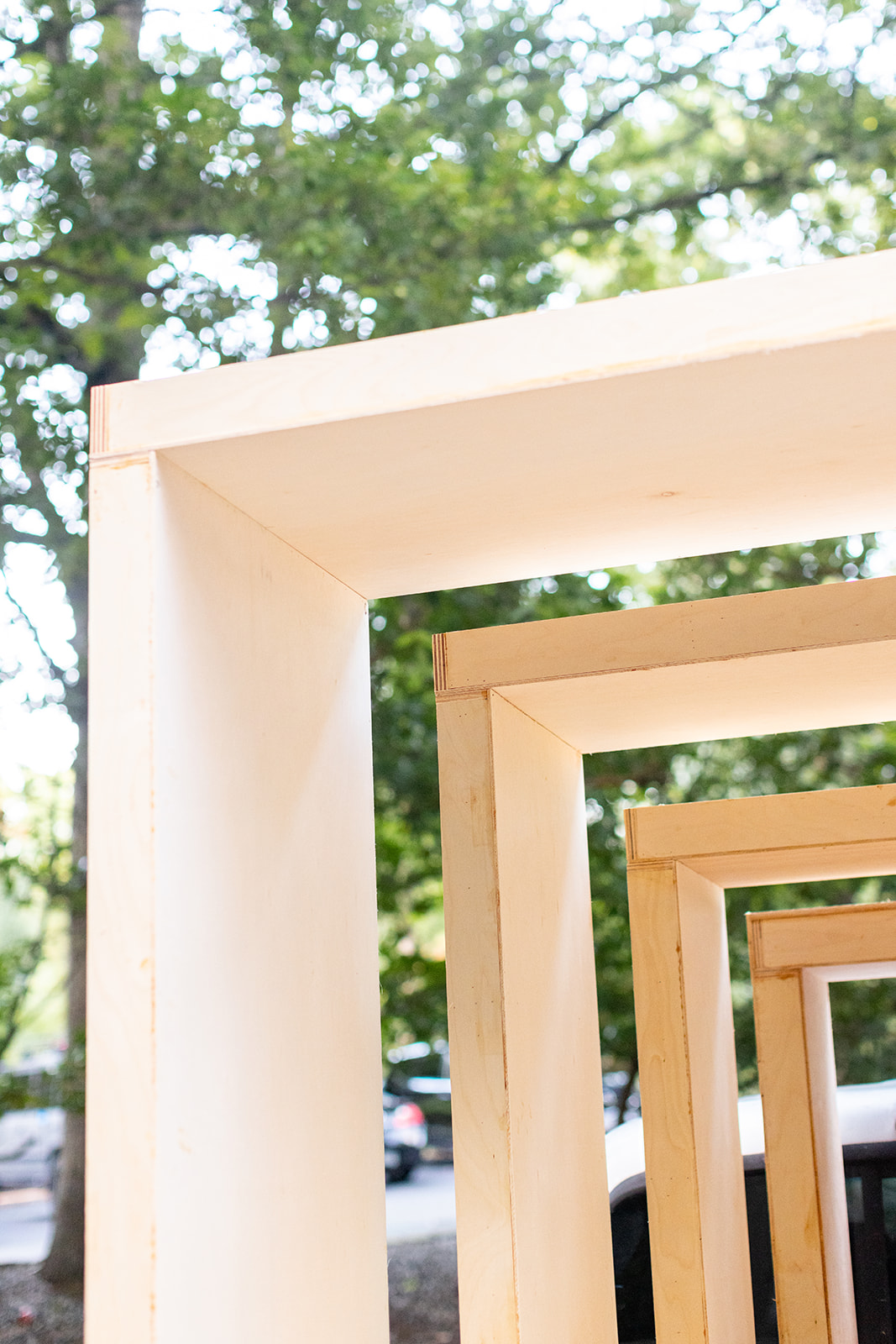
These walls need to look finished from both sides.
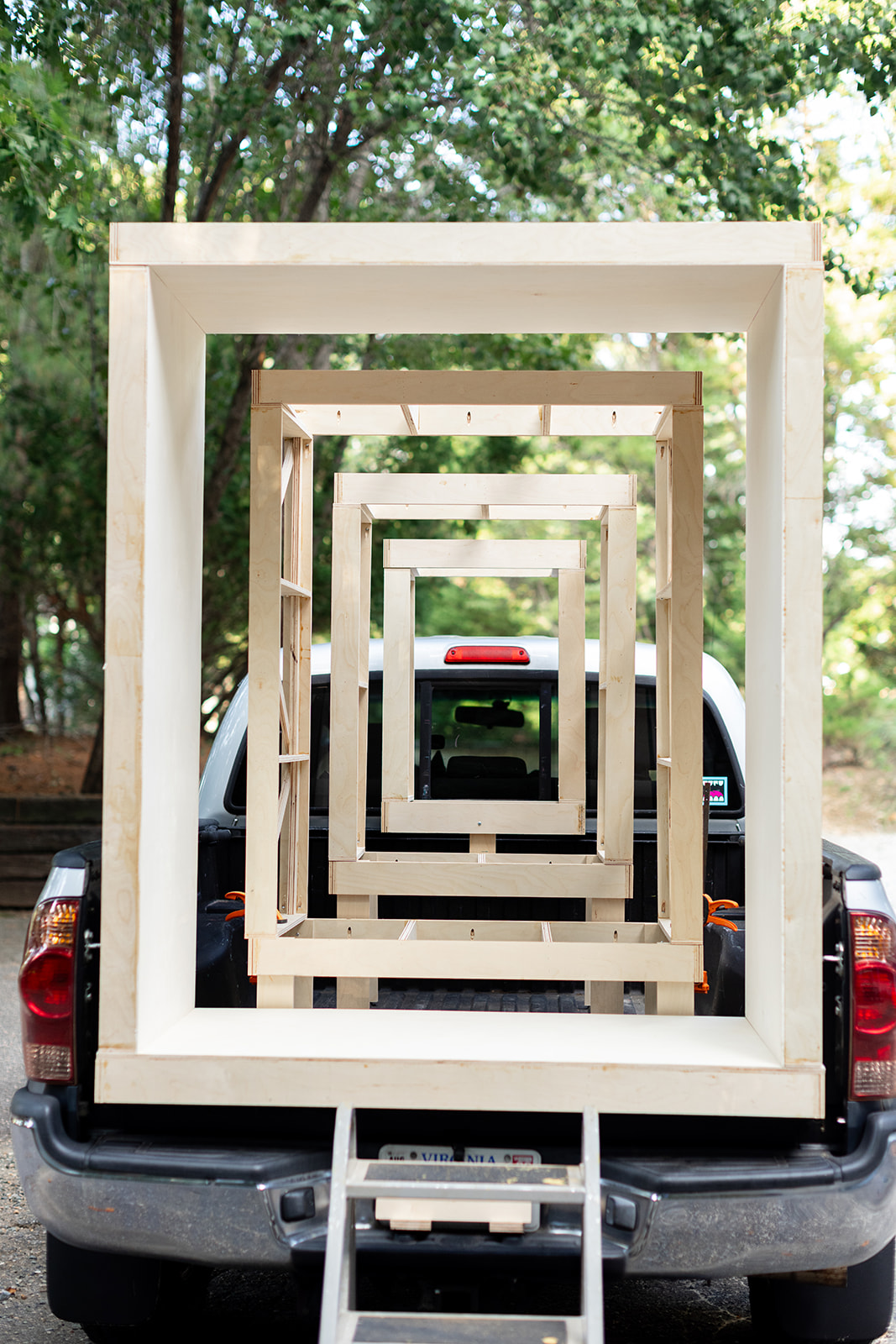
The more we've built it, the more we've realized this thing is somewhere between a set and a sculpture. It has to work from multiple angles, be strong enough to travel, and eventually become one finished, colorful object sitting in the middle of some of the wildest landscapes in the country.
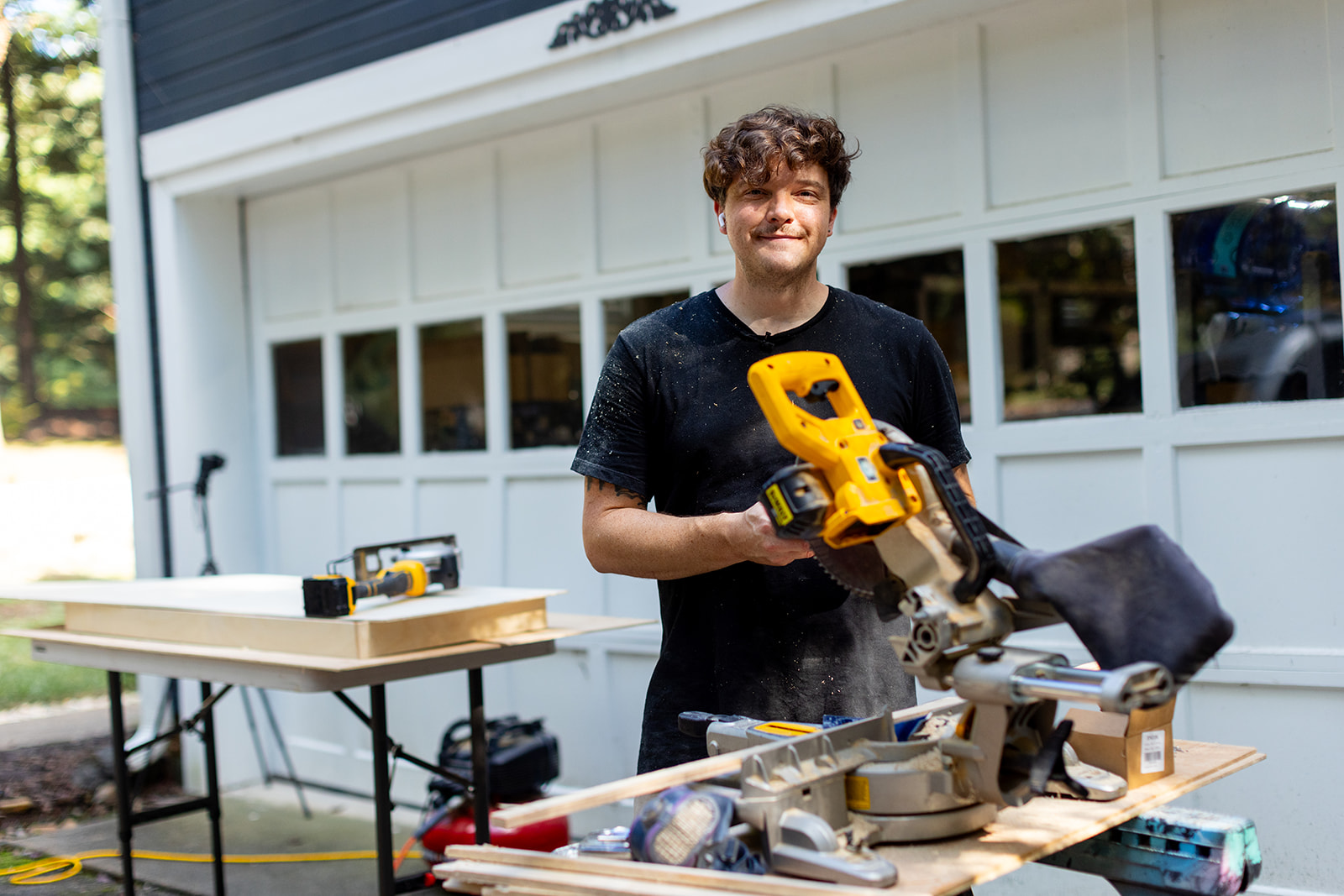
Which means there is a lot of wood.
And a lot of math.
And an unbelievable number of the exact same cut.
This is the part of set building that doesn't translate particularly well to a 30-second Reel.
It's tedious. It's repetitive. It's measuring something, cutting it, checking it, realizing something is off by 1/16 of an inch, figuring out why, and cutting it again.
You can have the entire thing planned out on paper, but eventually the plan has to meet reality.
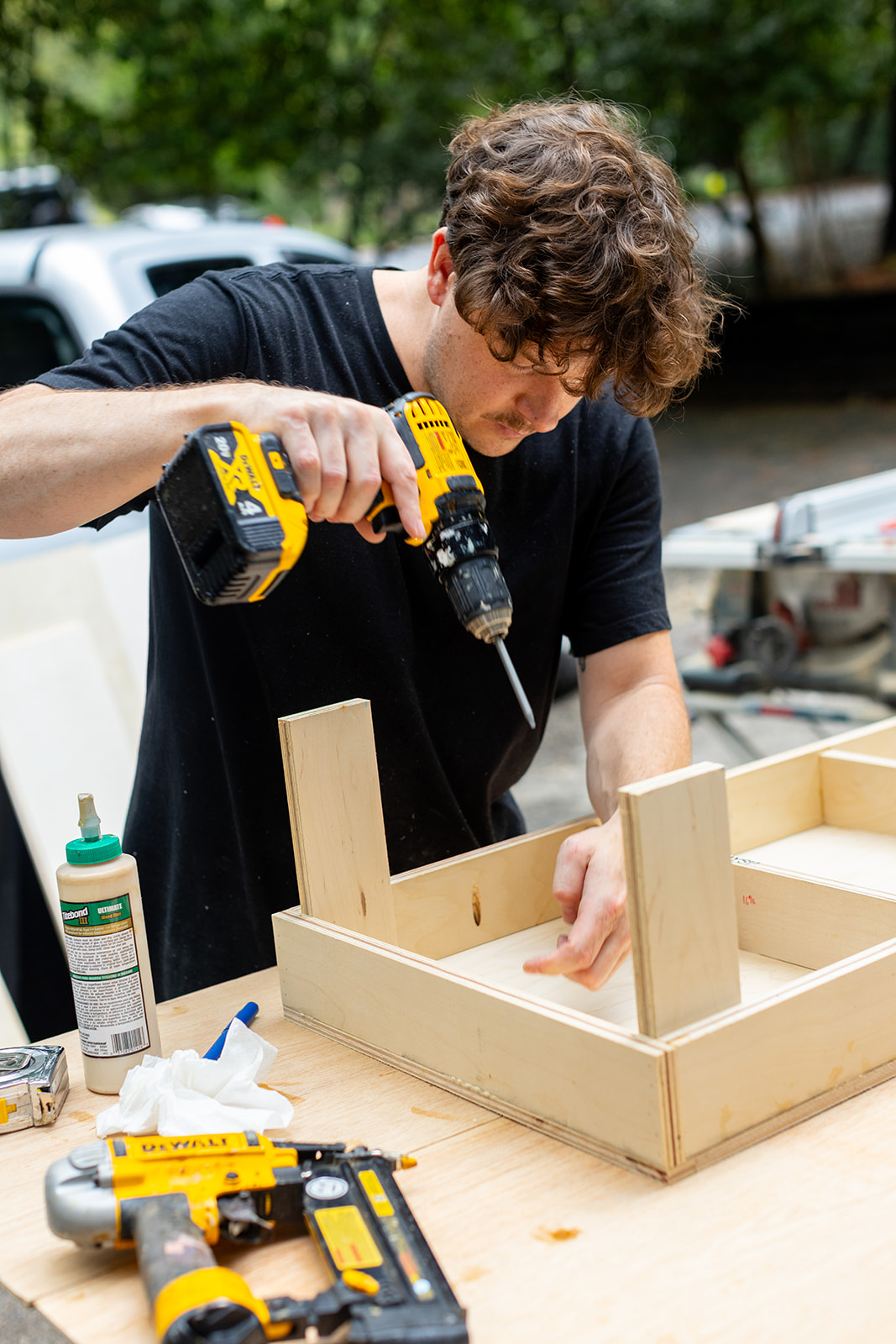
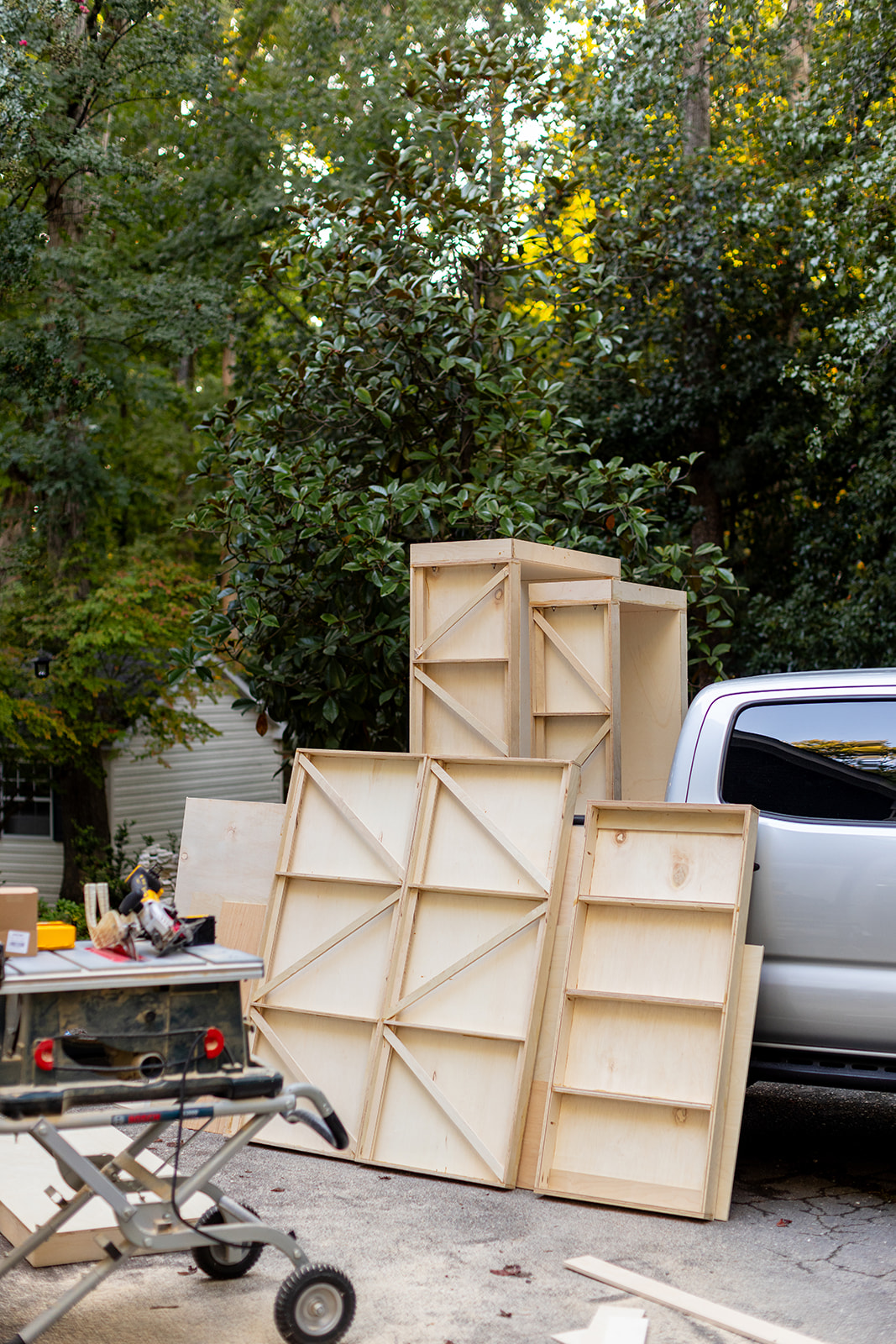
There are miscuts. There are order-of-operations problems. There are moments where you realize something you planned to screw together later actually needed to be screwed together three steps ago.
Then you figure it out.
That's basically set building.
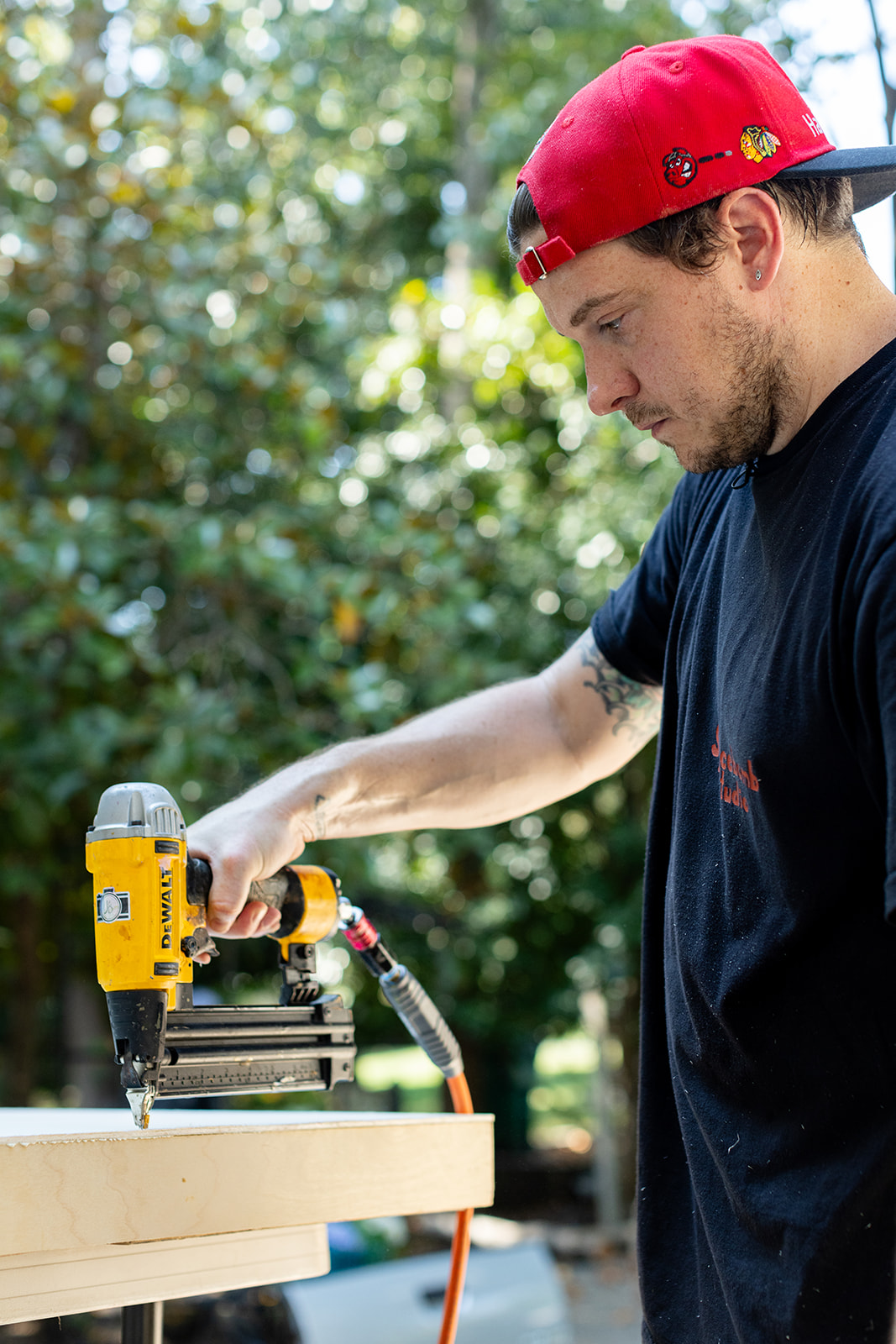
David is also building almost this entire thing himself. I'm helping wherever I can while simultaneously trying to film the whole experience for the documentary.
So there are moments where I'm holding a piece of plywood in place with one hand and trying to position a camera with the other while David is asking me for a screw that is somehow six inches away but completely unreachable.
It's a very sophisticated operation.
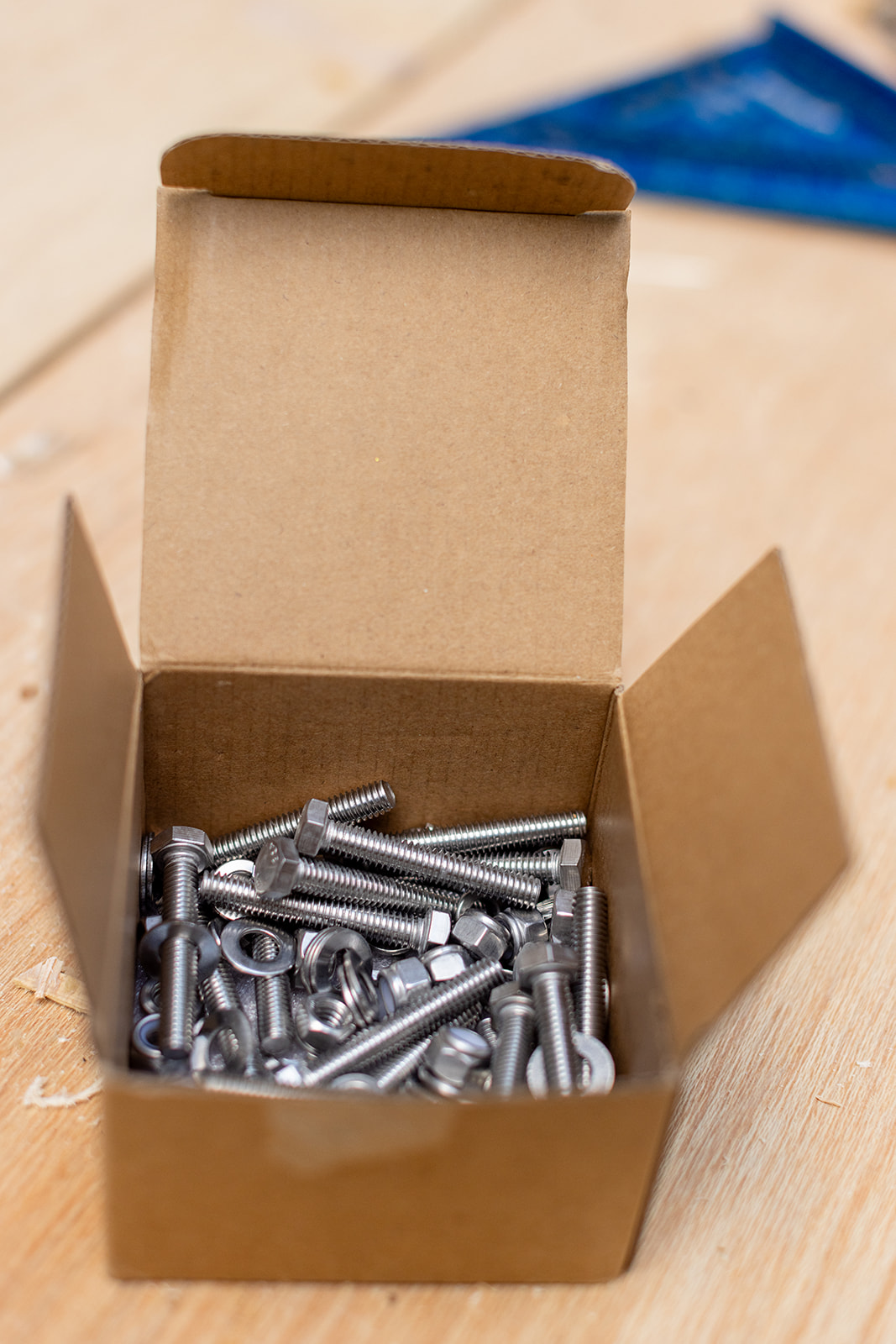
And underneath all of this is one pretty significant fact:
We don't actually know if this is going to work.
The Journey has been an idea in our heads for years. We know what we want it to look like. We've designed the forced perspective, worked through the dimensions, figured out how it attaches to the truck, how we'll photograph through it, and how we'll climb on top of it.
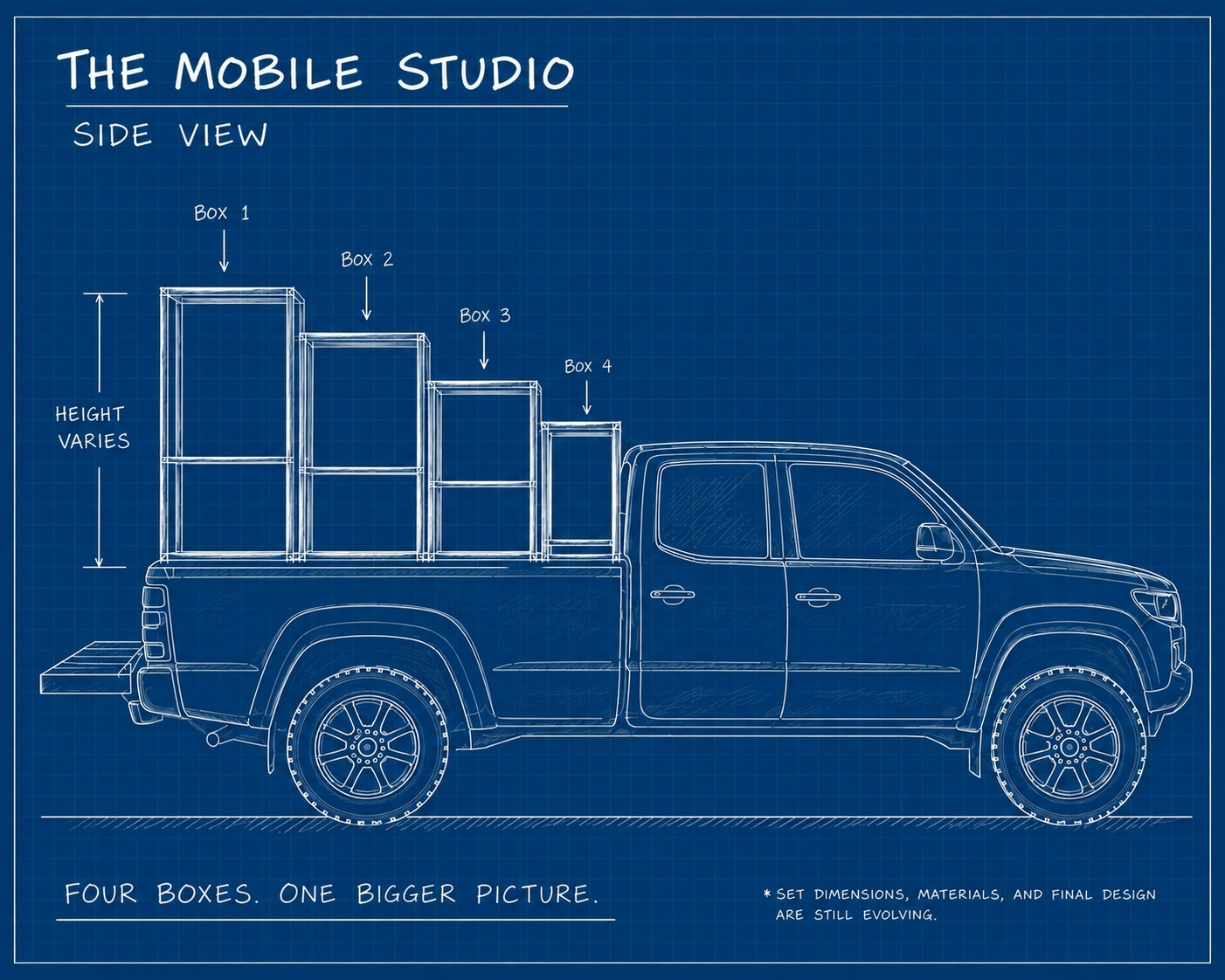
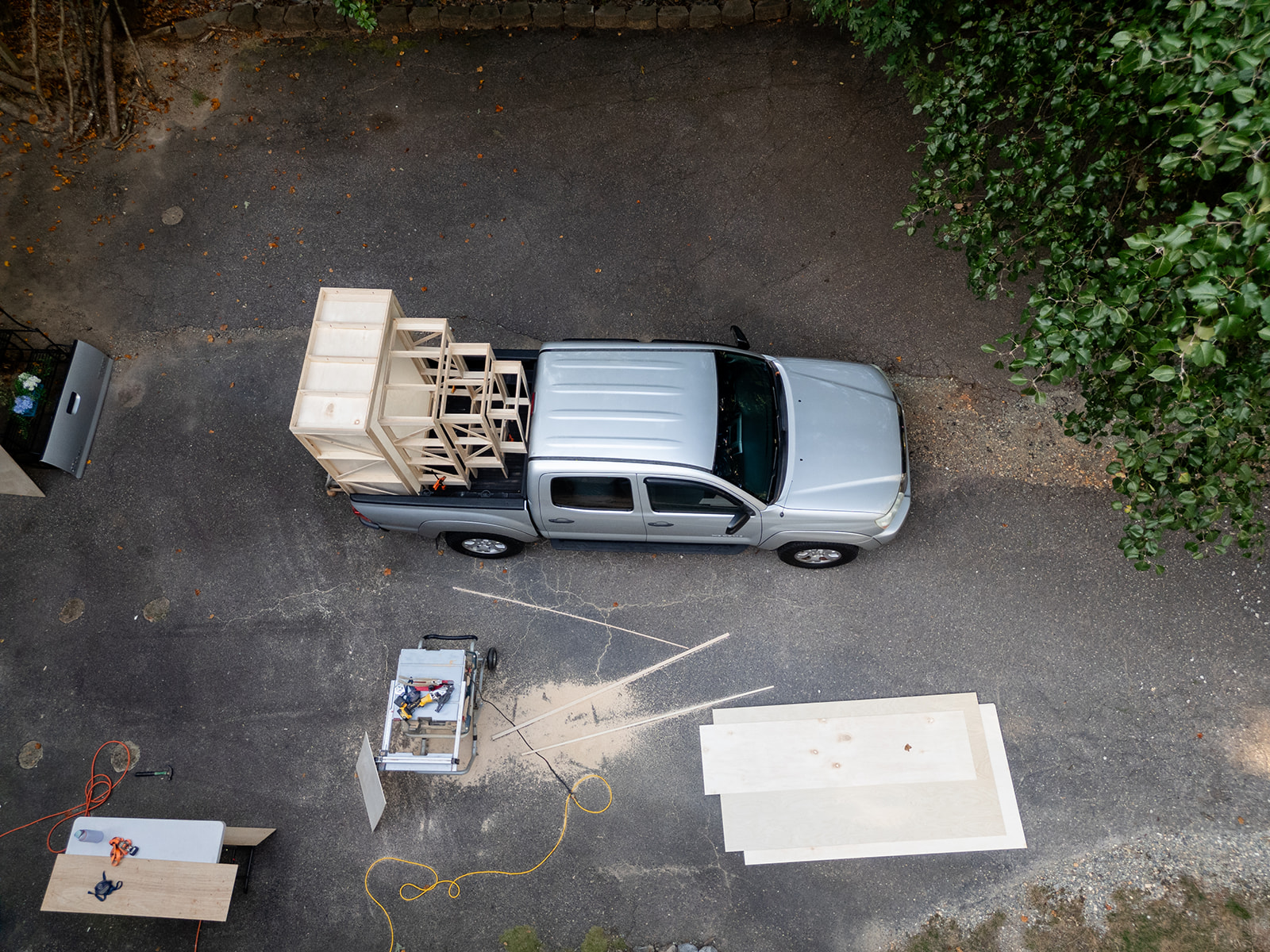
We can see the final photographs in our heads.
But until the entire thing is sitting in the truck and we're looking through the camera, it's still a theory.
A very large, increasingly heavy theory.
And by the time we find out whether it works, there isn't exactly time to start over.
So we keep building.
I think that's part of what I've always loved about making sets. You start with something that exists entirely in your head, and then you just keep making cuts until somehow it exists in front of you too.
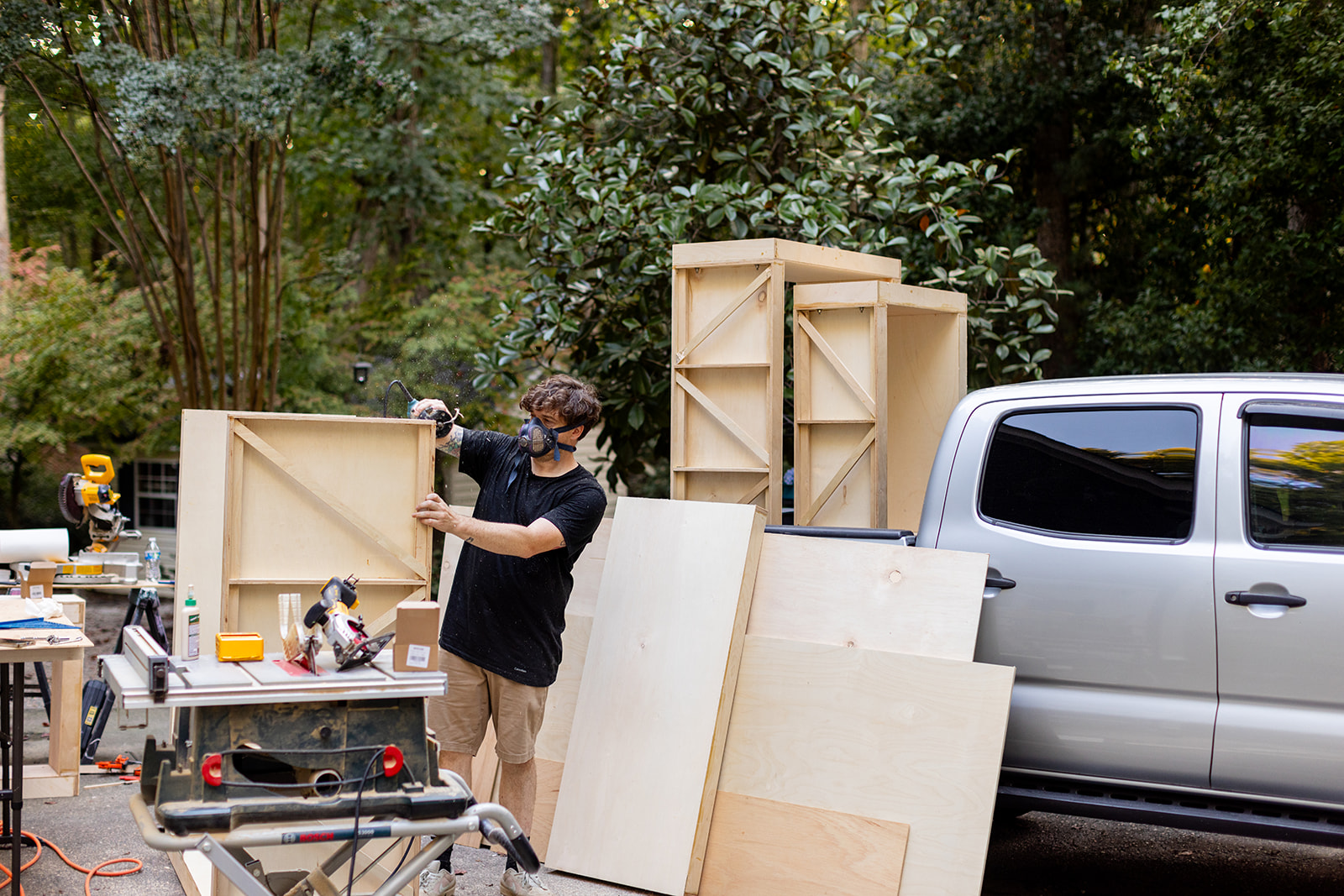
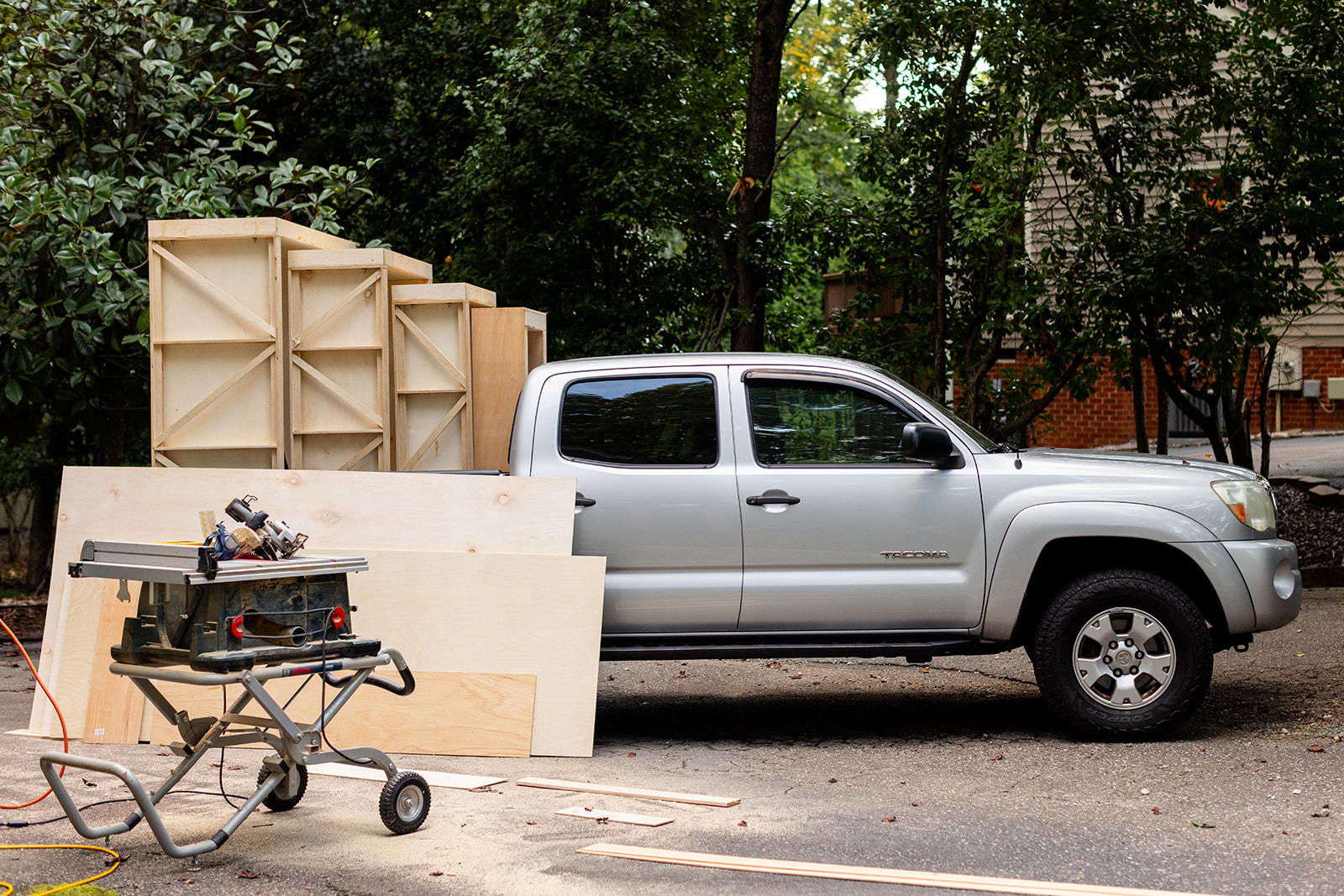
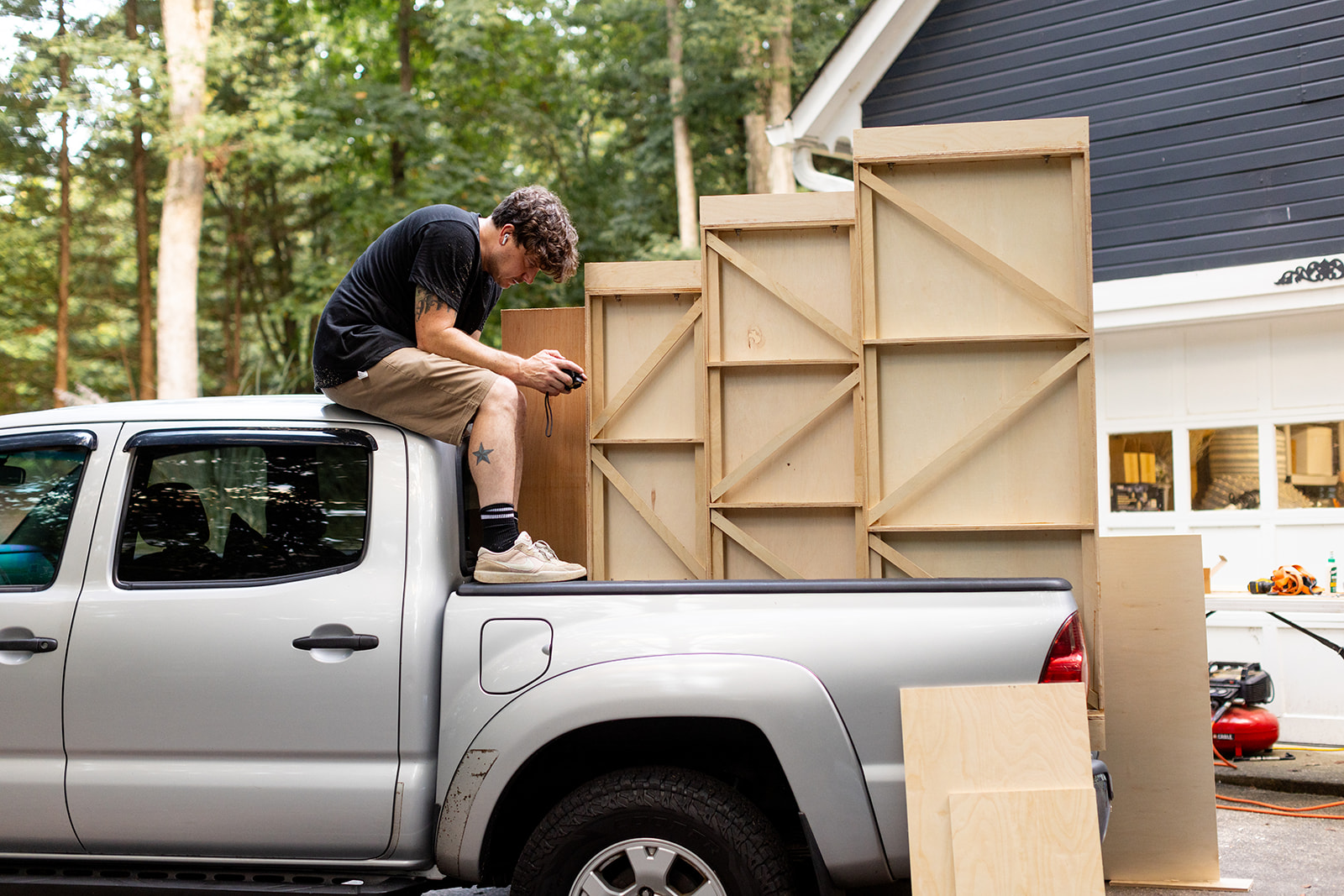
For a while, it's wood and sawdust and mistakes. You're tired. You've been staring at fractions for ten hours. But you keep going because you can still see the finished thing in your head.
Maybe that's a little dramatic for a blog post about plywood.
But the last few days have required a strange amount of persistence and faith.
And while all of this has been happening, the rest of The Journey hasn't exactly been sitting still waiting for us to finish.
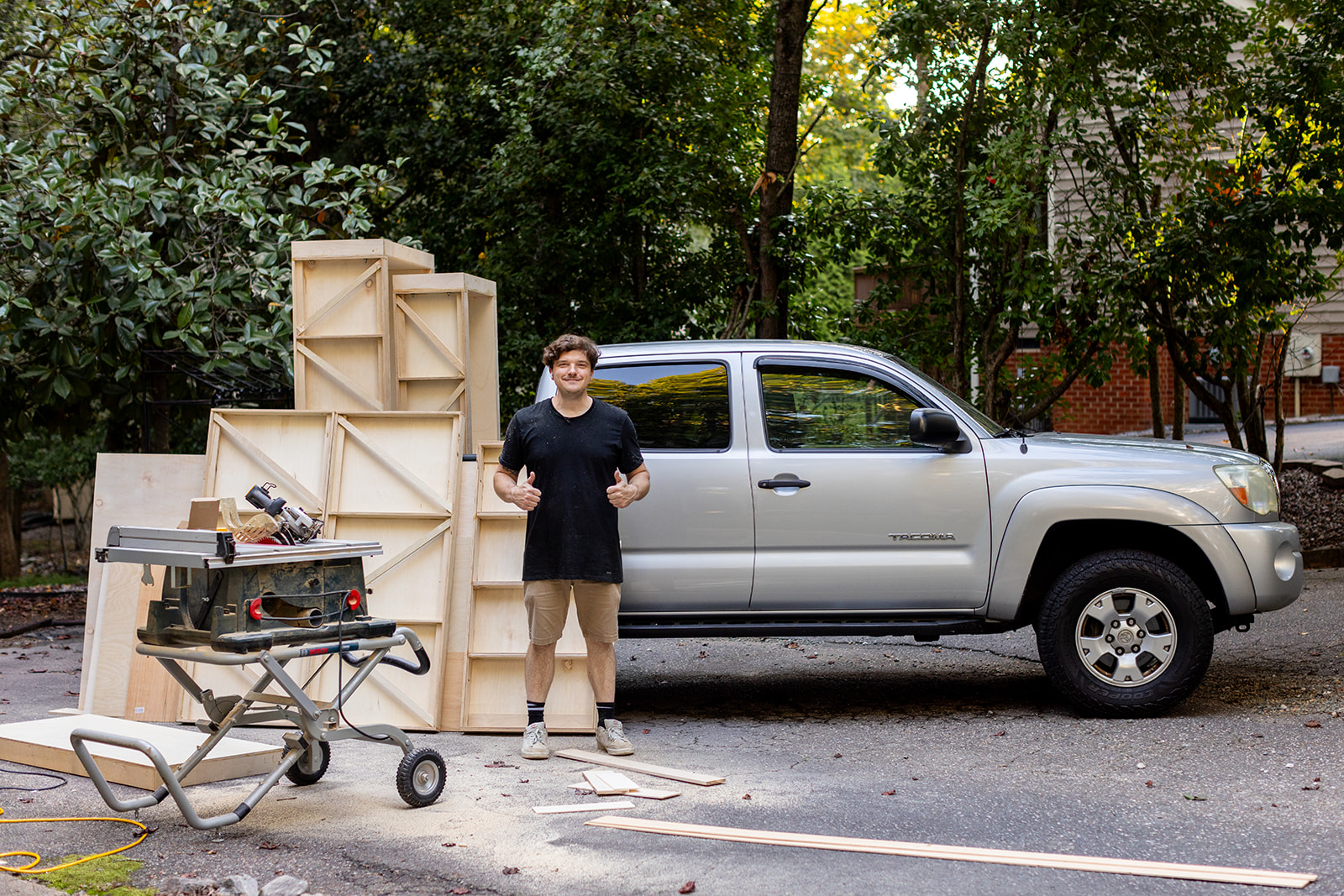
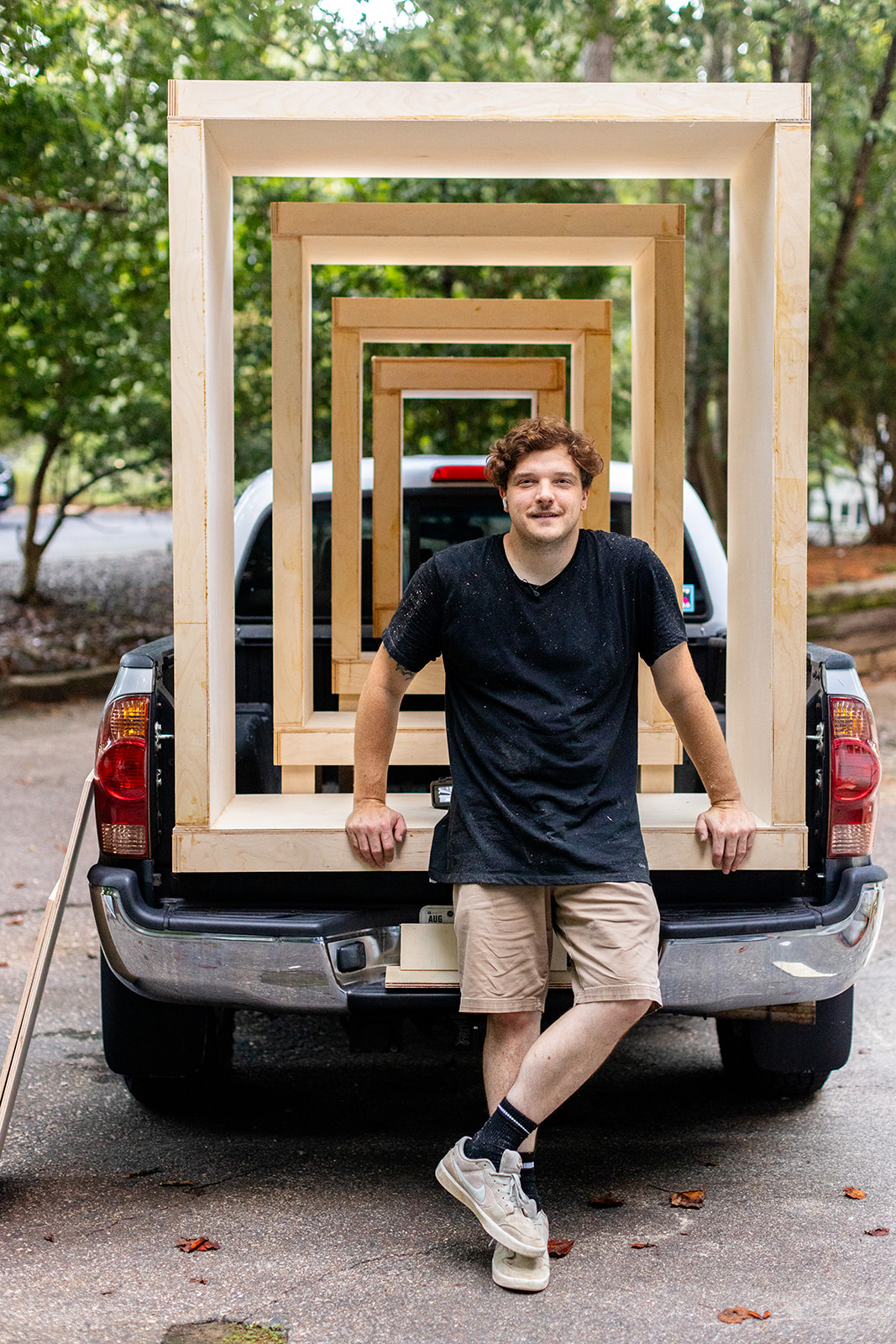
We did another round of updates to our route after realizing some of the mountain areas we originally planned to hit as we get into October could have inclement weather that would make those parts of the trip a lot more complicated.
This route has always been a giant puzzle of landscapes, drive times, weather, places to stay, and figuring out where we can realistically get a truck with a mobile photo studio in the back of it.
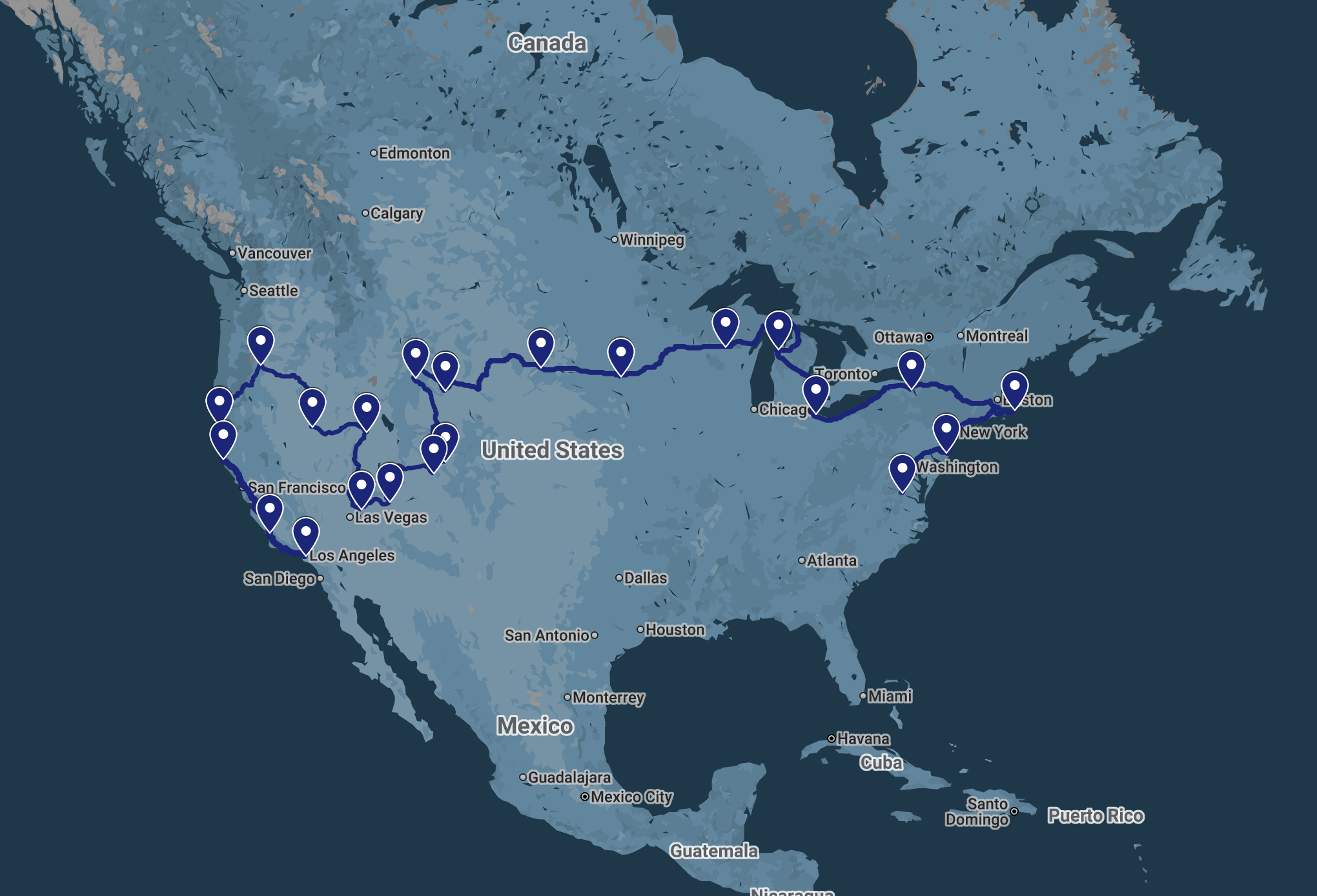
Apparently that puzzle gets more complicated when the seasons start changing underneath you.
So we're adjusting.
We're also moving out of our house. Our renters move in at the end of the week. We're packing our lives, finishing brand deliverables, planning a 7,500-mile trip, filming a documentary, and building a mobile photo studio in the back of a Toyota Tacoma.
It's a lot.
But somewhere in the middle of Days 4 and 5, the pile of wood started becoming something incredibly strong.
The walls got reinforced. The structure came together. The pieces that don't make for dramatic before-and-after videos became the pieces that are going to hold the entire thing together while we're driving across America.
Now we face the rest of the set.
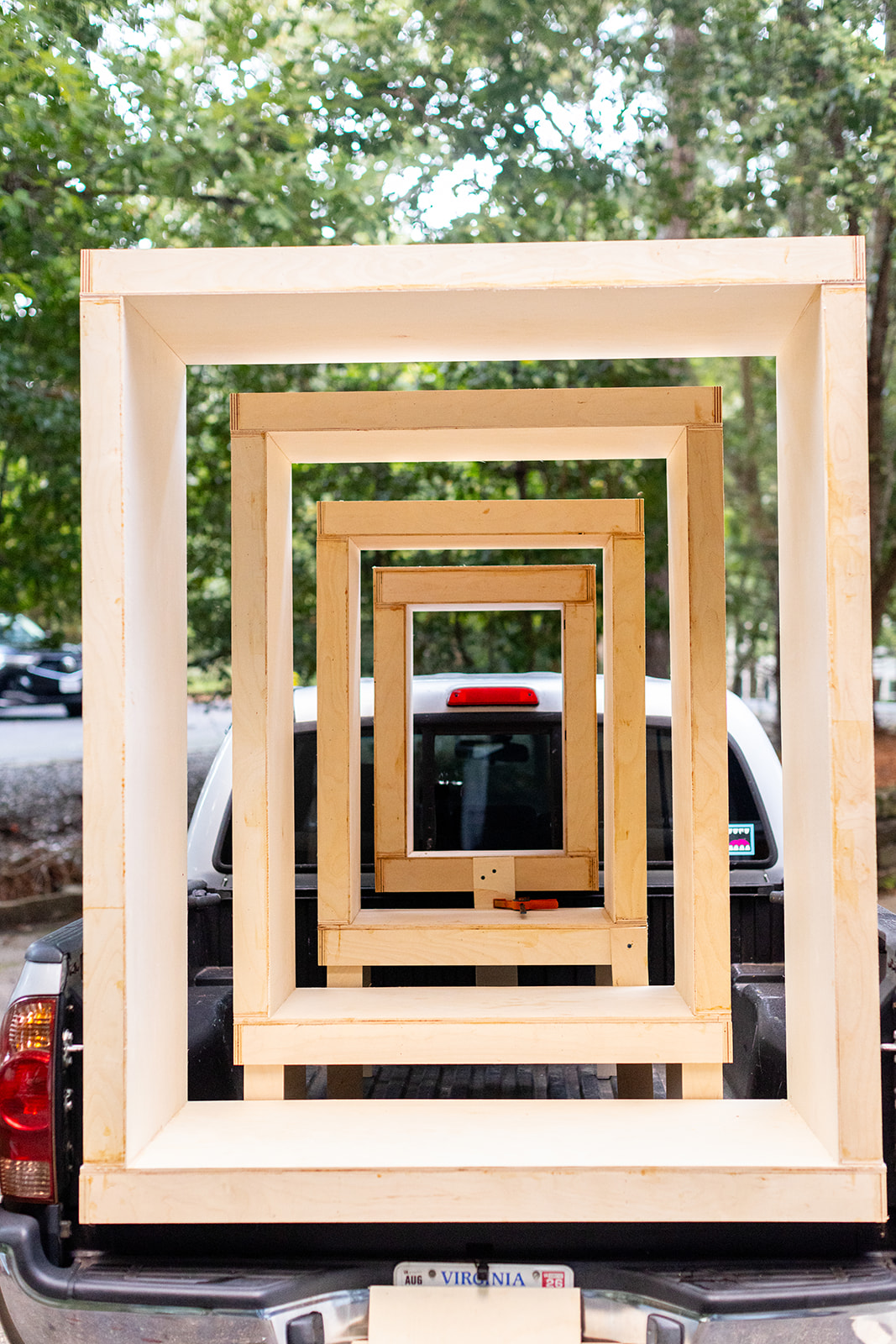
Then paint. Waterproofing. Securing everything to the truck. And all of the little finishing details that inevitably take three times longer than you think they will.
And then, eventually, we drive this loud, colorful thing across America and start making the photographs we've been seeing in our heads for months.
At least that's the theory.
Sign up for the Journey Journal to receive a special newsletter with stories and BTS moments from the road!