“Do what you can with what you have. Nothing more is needed.” — Rick Rubin
I used to hate our deck.
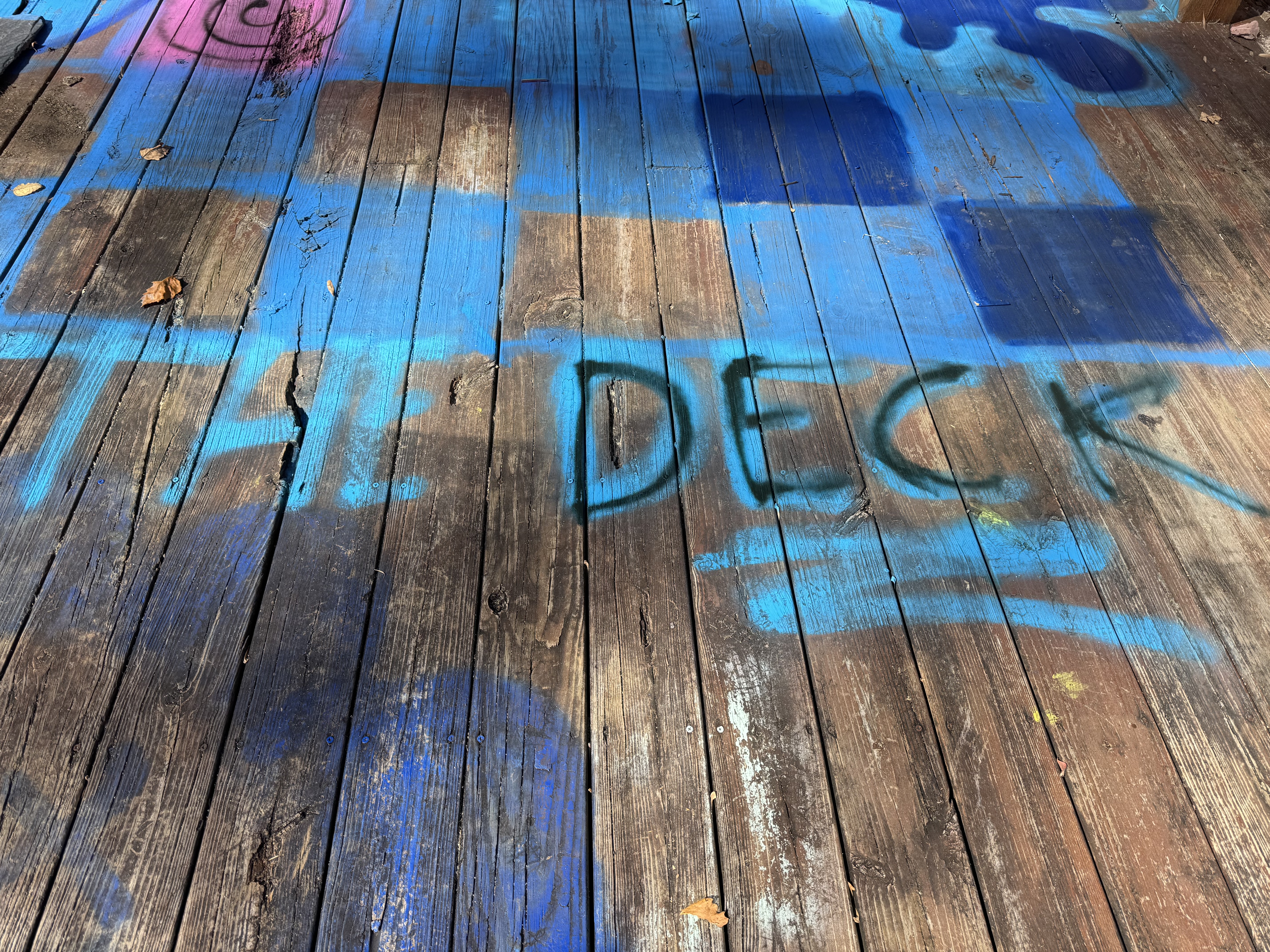
It’s old, splintered, and rotting in places. It's the kind of deck you apologize for when people come over. For years I saw it as a problem, something I couldn’t wait to tear down and replace.
But now? It’s one of my favorite parts of our home.
Because this crappy deck taught me something: you can create incredible things when you stop waiting for perfect conditions.
When you set out to make something—art, a business, a life—you never start with unlimited resources. There’s always a shortage of something: time, money, materials, space. And our instinct is to see those as limitations. Reasons we can’t do the thing.
But those same limitations can become your creative parameters. The guardrails that shape what you make.
The only real shift is the reframe from “I can’t because…” to “I can because…”
But here’s the thing: those same limitations are usually the exact things that shape what you create, if you let them.
The shift happens in the reframe.
I can’t create because I don’t have a studio → I can create because there’s a corner in my guest room that gets good light.
I can’t create because I work full-time → I can create because Thursday afternoons are mine.
I can’t create because I don’t have money → I can create because I’ve got scraps, paint, and imagination.
It sounds small, but that reframe is everything.
When David and I moved into our house seven years ago, the deck was in decent shape. Not great, but fine. We figured we’d replace it someday. David’s handy; he could build a new one easily when we got around to it.
But time passed. Life got busy. And the deck kept getting worse.
It started to rot and sag. Every time I stepped on it, I thought about how much I hated it. I wanted David to tear it all down and rebuild it.
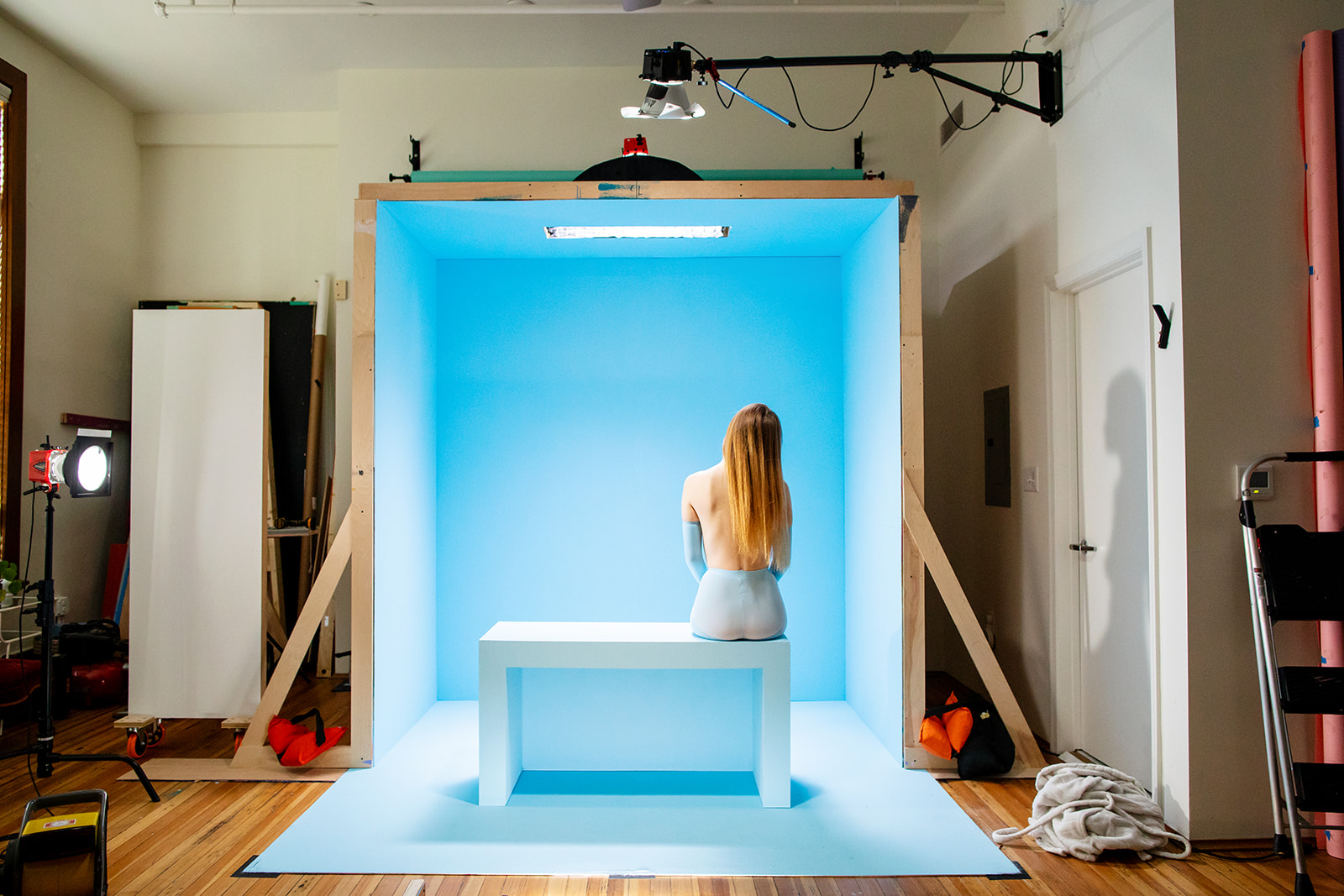
Meanwhile, we were running into a problem with our creative work. So much of what we do involves building and that requires space. Space we didn’t have.
We considered building the sets in our backyard, but our house sits on a hill, so there’s not much flat ground for a table saw or paint setup.
Then one day, it clicked: the only flat space we did have was the deck.
The same deck I couldn’t stand.
It turns out, it was perfect. Flat, open, outdoors, great ventilation, and maybe best of all we didn’t care about messing it up. We could saw, paint, spray, and spill all over it. The deck became our perfect little outdoor studio.


That crappy deck has been the foundation for so many of our builds. Literally. We’ve made countless sets on it. It’s covered in spray paint, sawdust, and memories. And now it’s something I am so grateful for.
It’s ironic: once we rebuild it, it probably won’t serve us the same way. We’ll be more careful with it, more precious. In a weird way, the deck is useful because it’s crappy.
That experience changed how I think about creating.
When you reframe limitations as creative parameters, you stop seeing them as blocks and start seeing them as guides. The problem becomes part of the process.
Rick Rubin says, “Do what you can with what you have. Nothing more is needed.” And that’s not just a nice quote, it’s a creative truth. One that has really stuck with me and I have repeated to countless people.

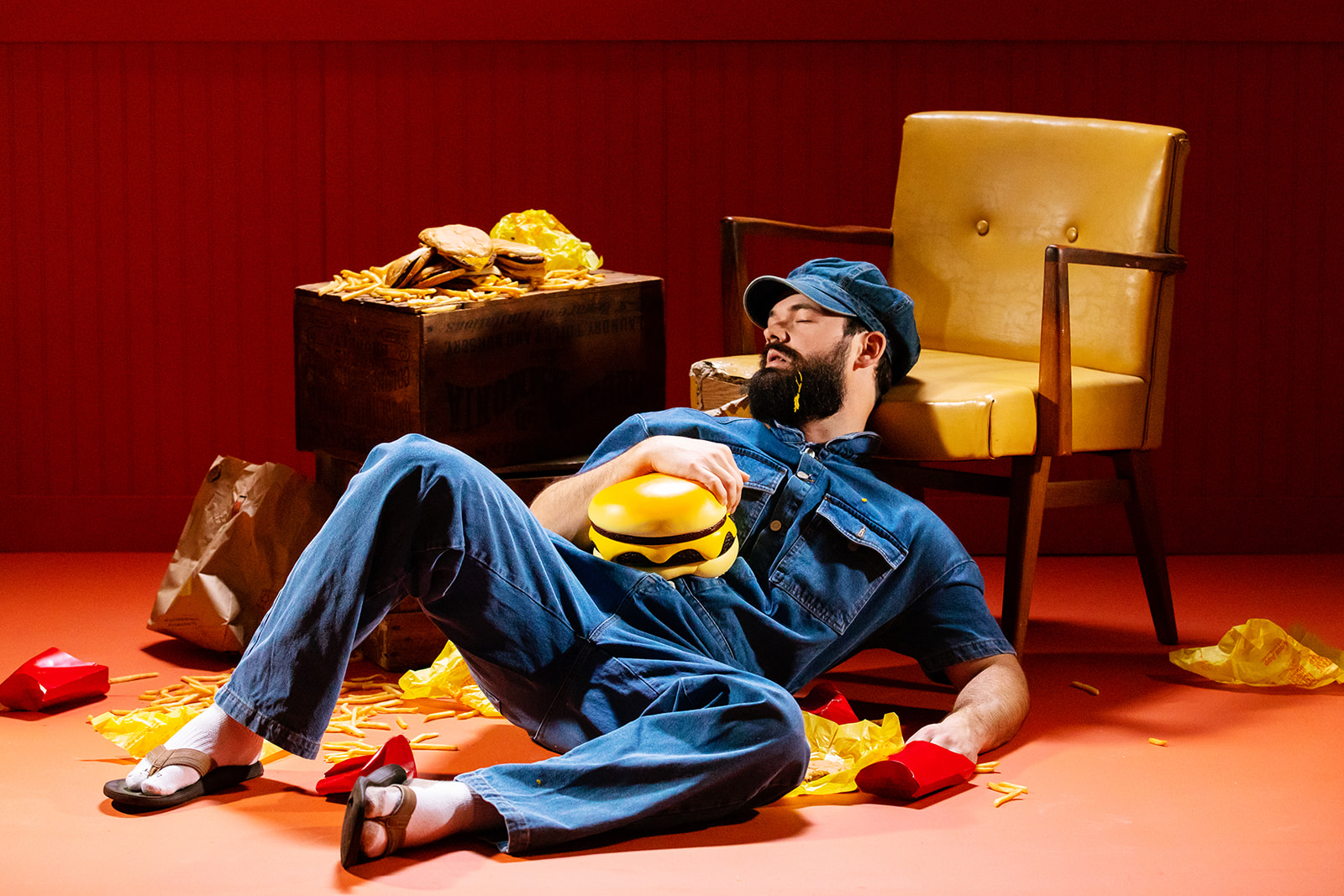
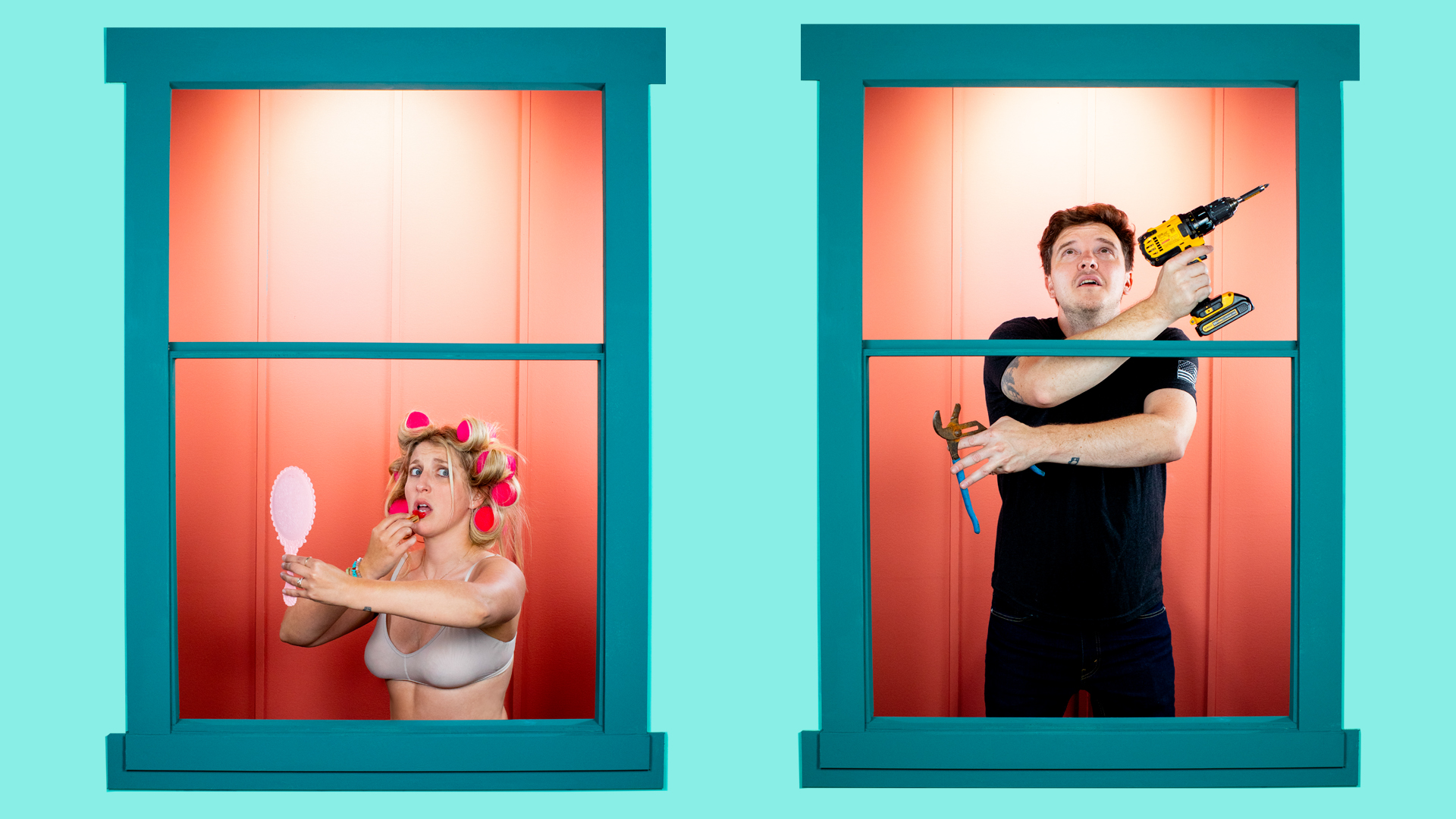
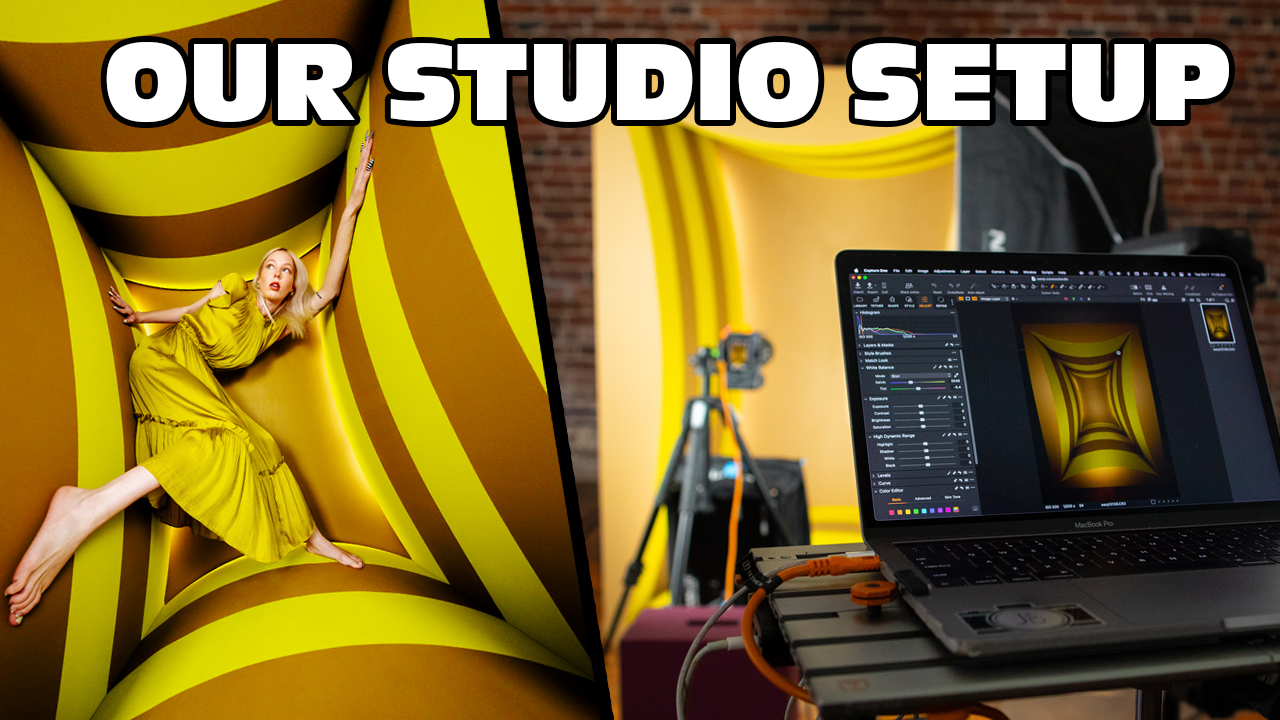
Every set we’ve ever built came from that mindset. Wood is expensive. Space is limited. So we reuse and repurpose. We tear down old sets and rebuild new ones from the same materials. It’s not just about saving money, it’s about letting those constraints shape the art.
We never have “enough.” But maybe that’s the point.
Creativity thrives in the space between what you want and what you have. That tension is what gives it energy and authenticity.
So here’s my question:
What’s the “crappy deck” in your life? The thing you’ve been overlooking because it doesn’t feel perfect?
Maybe that’s exactly where you’re meant to start.
Use what you have. Nothing more is needed.