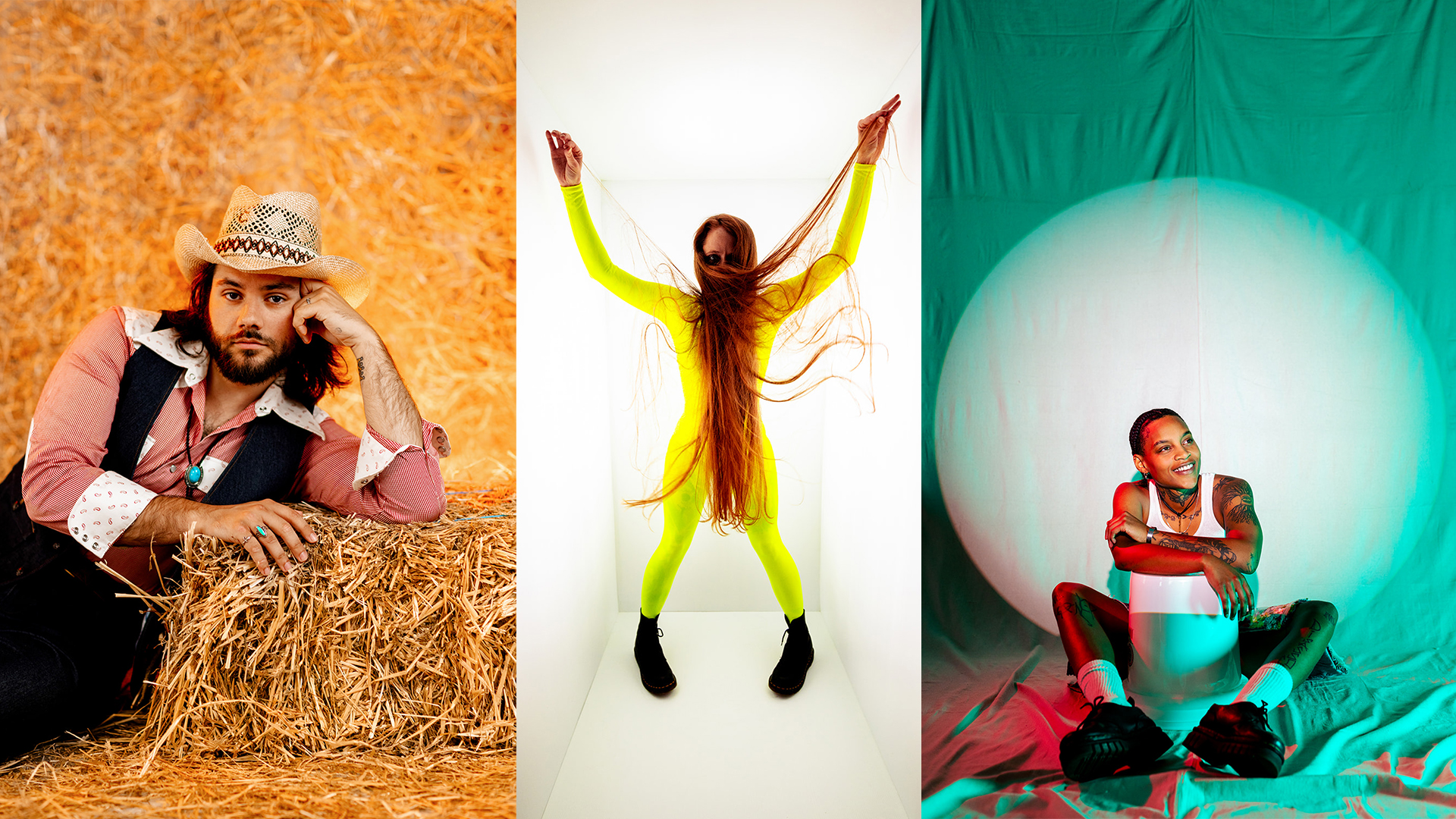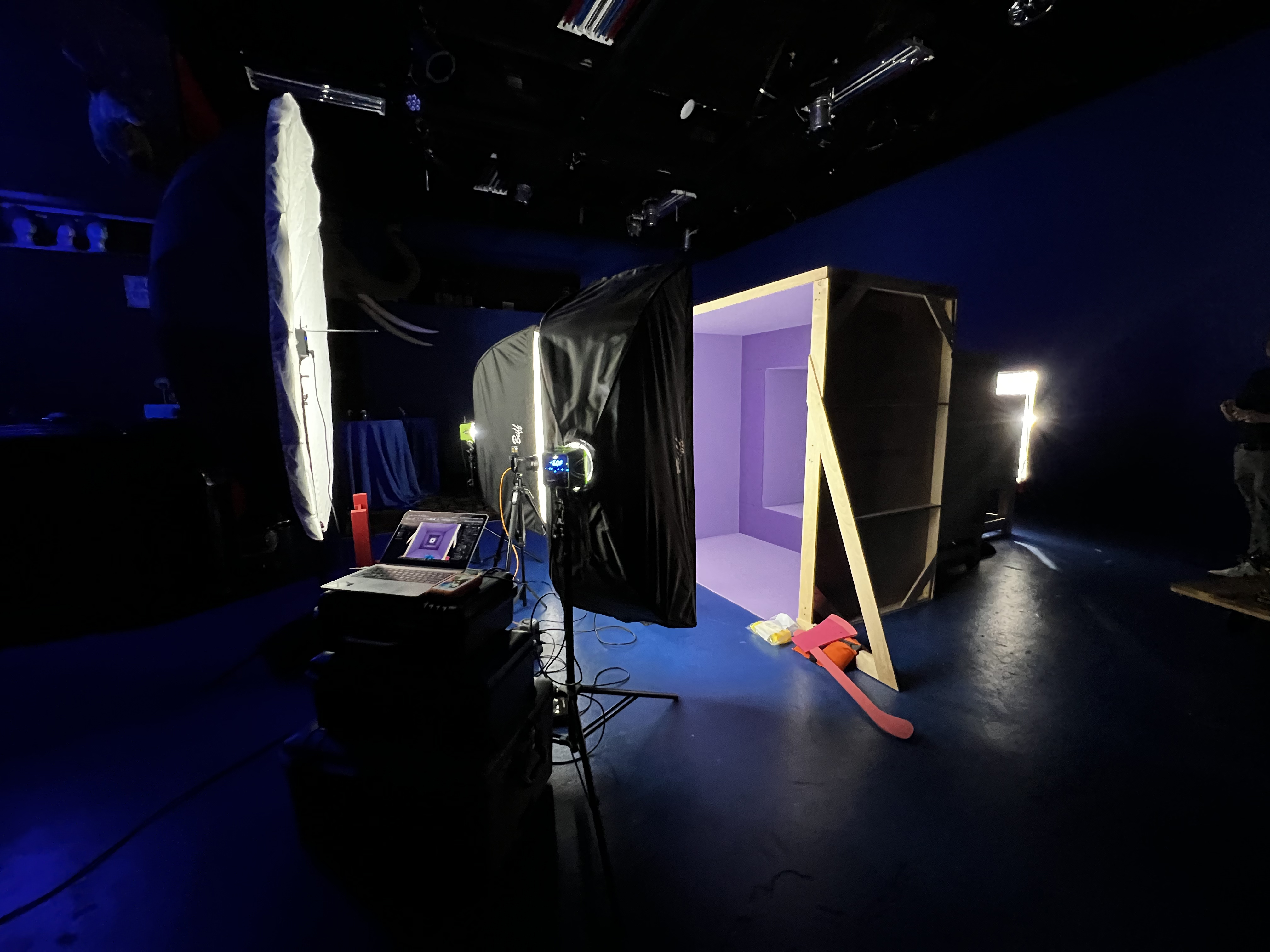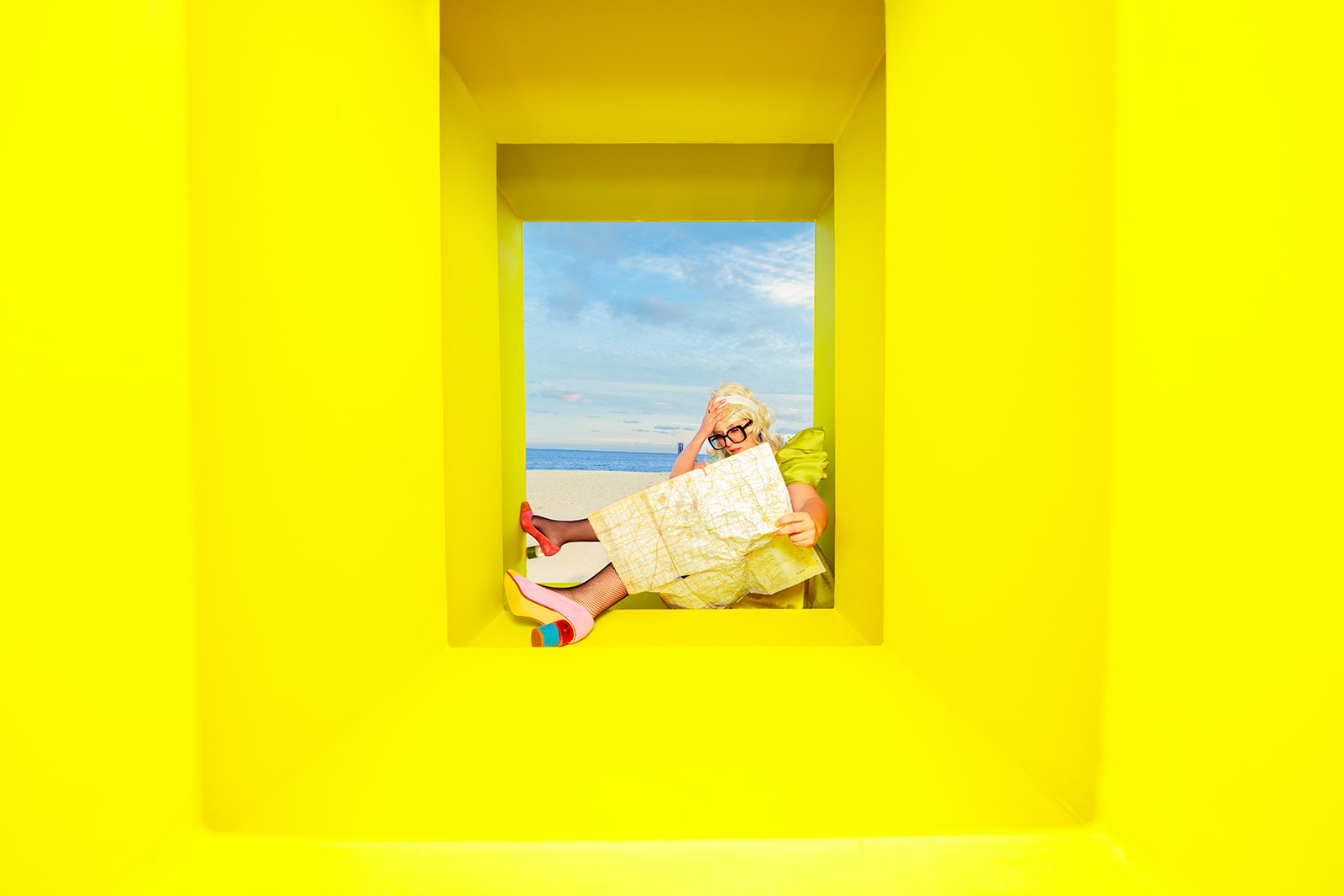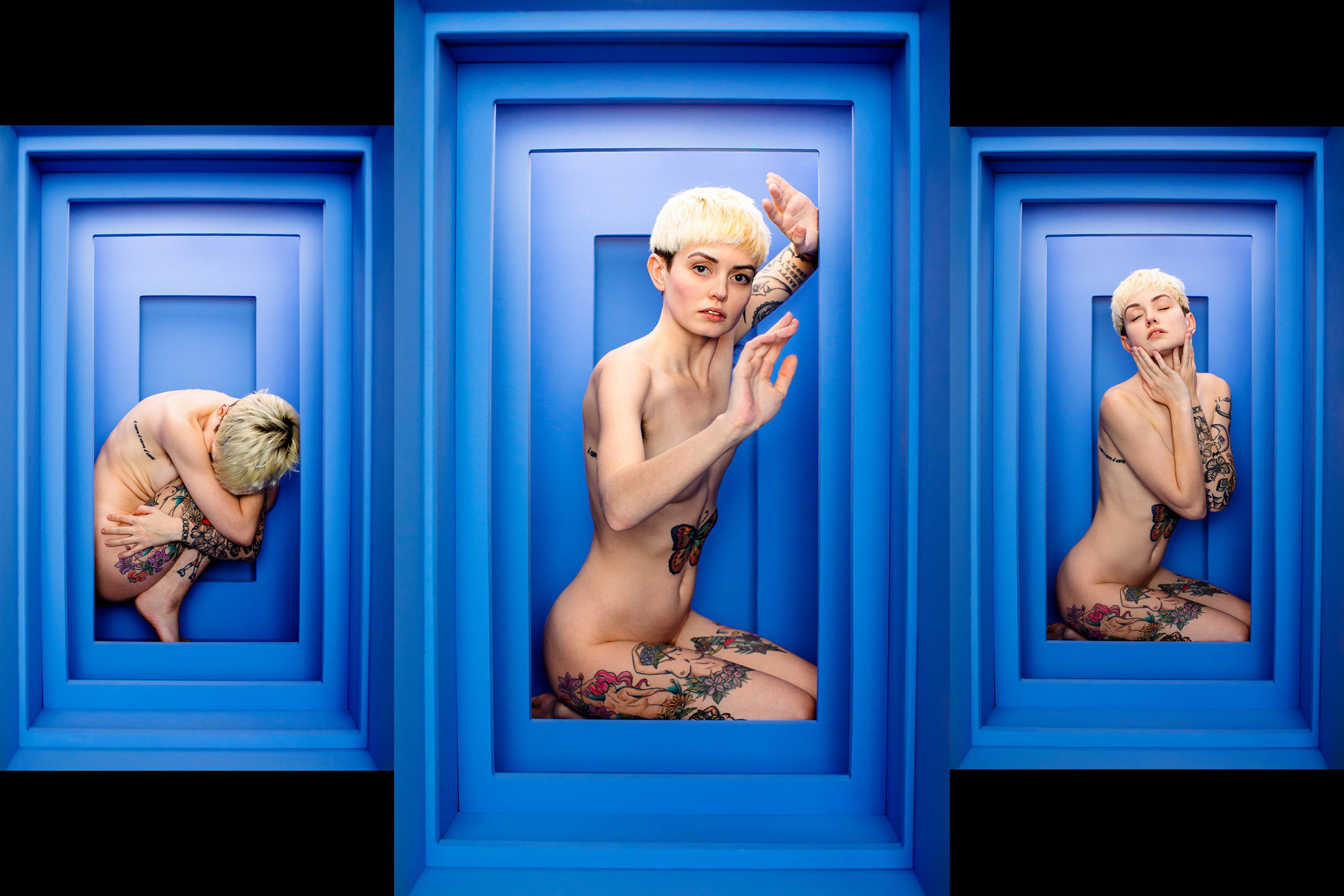
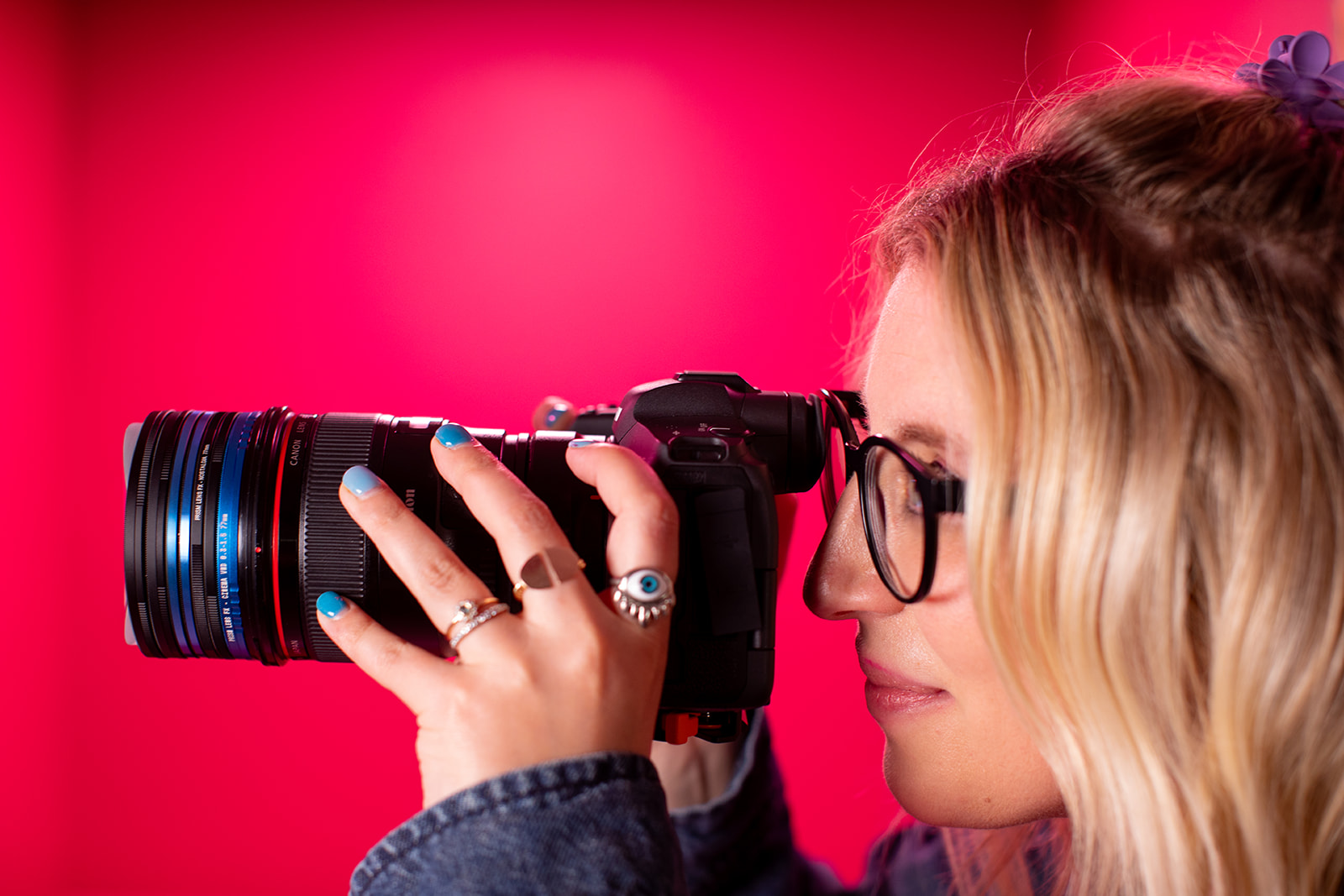
What happens when you stack seven lens filters onto a single lens?
Honestly... we had no idea.
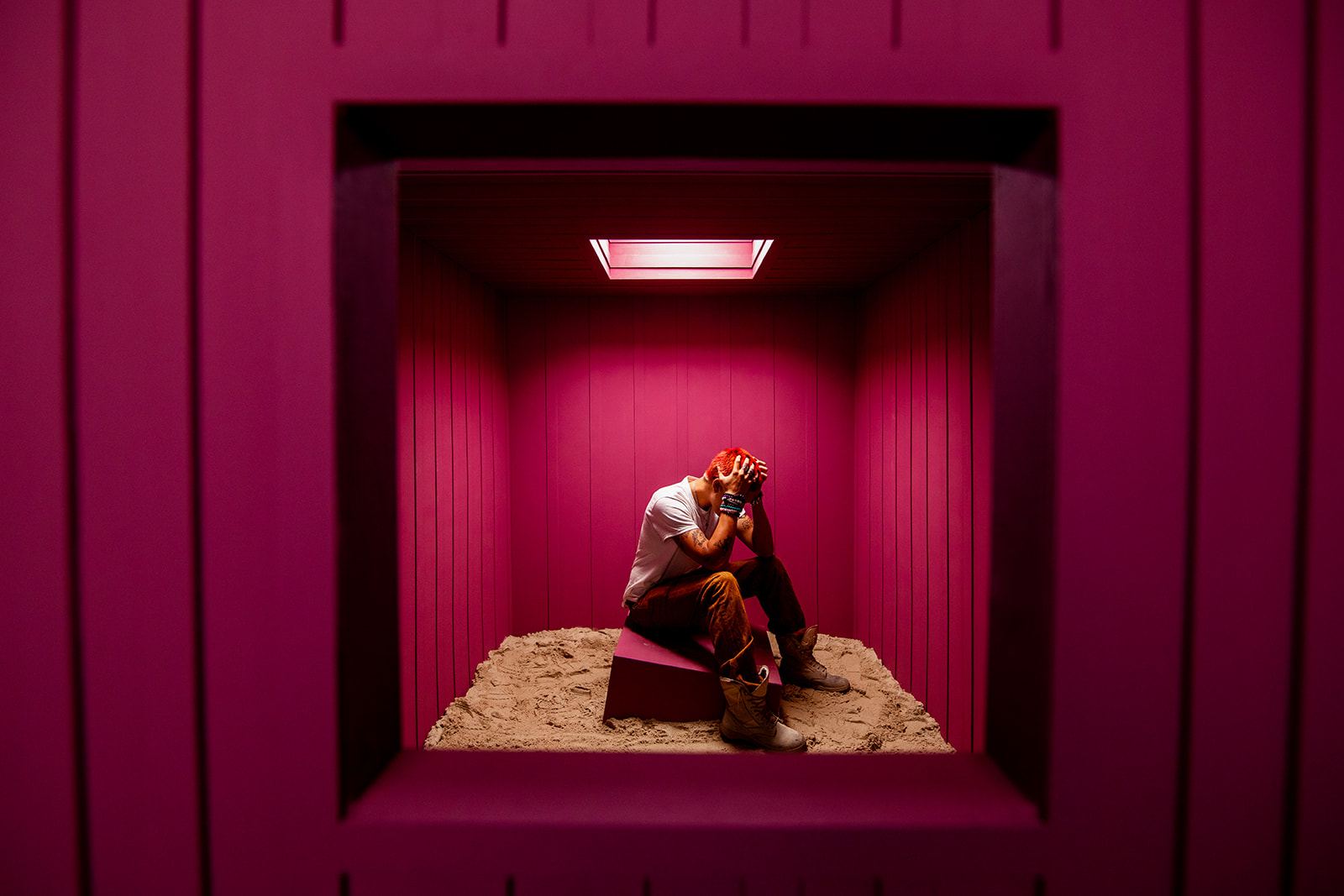
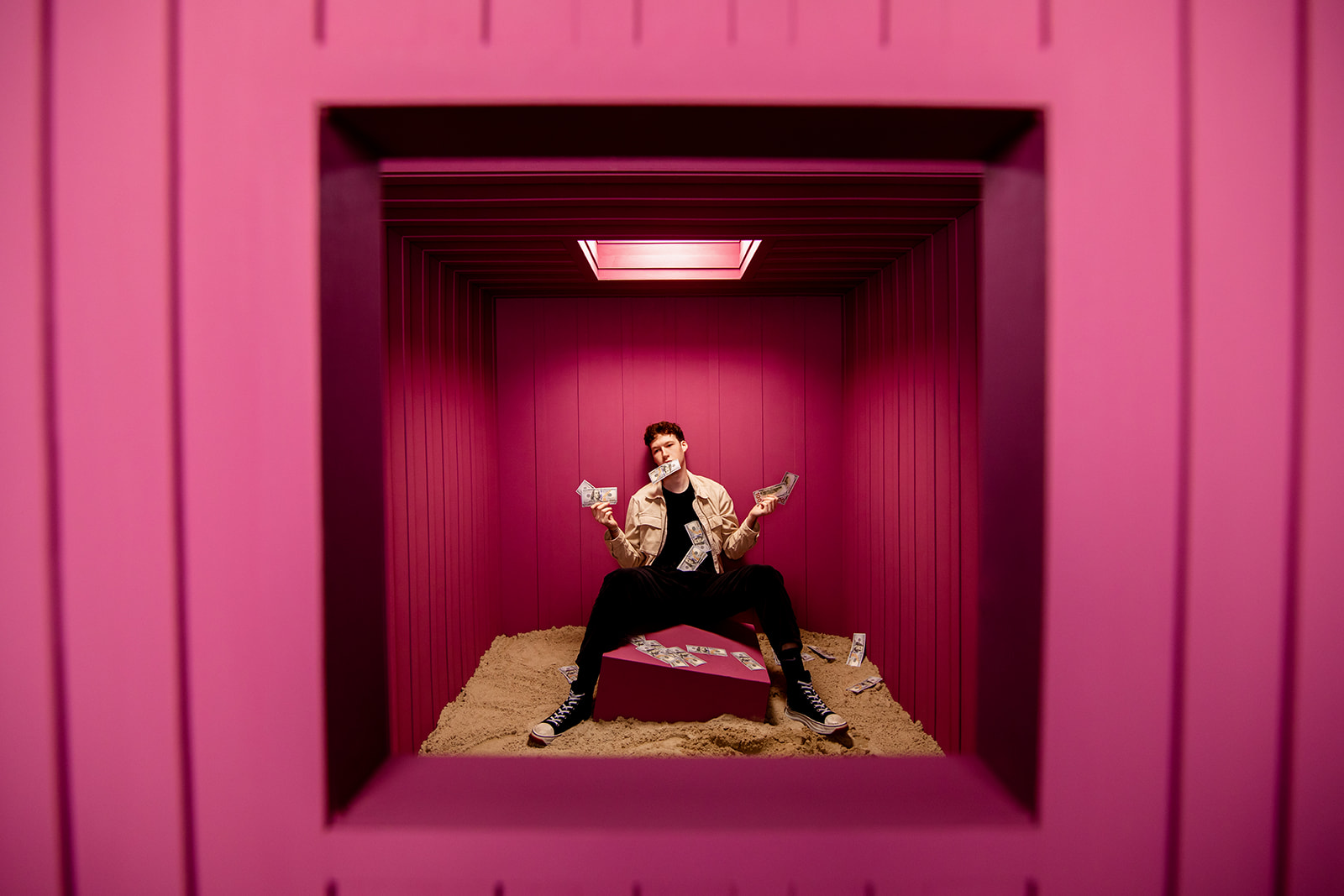
This shoot started with nothing more than a question. We wanted to see how far we could push in-camera distortion before a photograph stopped feeling like a photograph. Could we create something that felt closer to an experimental film process or a painting than a clean digital image?
There was only one way to find out.
Instead of reaching for Photoshop, we opted to achieve the effects in camera using Prism Lens FX filters.
We had seven Prism Lens FX filters stacked onto the front of our Canon 24mm lens.
The Filter Stack
Stacking seven pieces of glass together creates a level of unpredictability that's almost impossible to replicate digitally. Every filter bends, scatters, and diffuses light a little differently. Combined, they begin interacting with one another in ways you can't fully control, which was exactly what made the experiment exciting.


Here's what we used:
- Lucid Dream FX (x2): Prism's strongest diffusion filter. We actually stacked two of them, and one was broken. The cracked glass introduced random streaks, flares, and refractions that made every frame slightly different.
- Ghost FX: Split the subject into subtle overlapping outlines, creating an in-camera double-exposure effect.
- Moody FX: Added dreamy haze and soft highlight bloom throughout the frame.
- Rose FX: Introduced gentle pink diffusion directly into the highlights.
- Nostalgia FX: Warmed the image while softening contrast for a more analog feel.
- Neutral Density (ND): The filter that made the whole experiment possible by reducing the light entering the lens while we shot wide open.
The Camera Settings
Once the glass was stacked, we pushed the camera just as hard.
- Lens: Canon 24mm
- Aperture: f/1.4
- ISO: 25,600
- Shutter Speed: 1/200 sec

Shooting at f/1.4 gave us the shallowest depth of field possible while allowing every layer of glass to influence the image. We intentionally pushed the ISO 25,600, embracing the texture and grain instead of avoiding it. That combination made the ND filter essential so we could control the exposure without sacrificing the look we were chasing.
Why Fine Art Nudes?
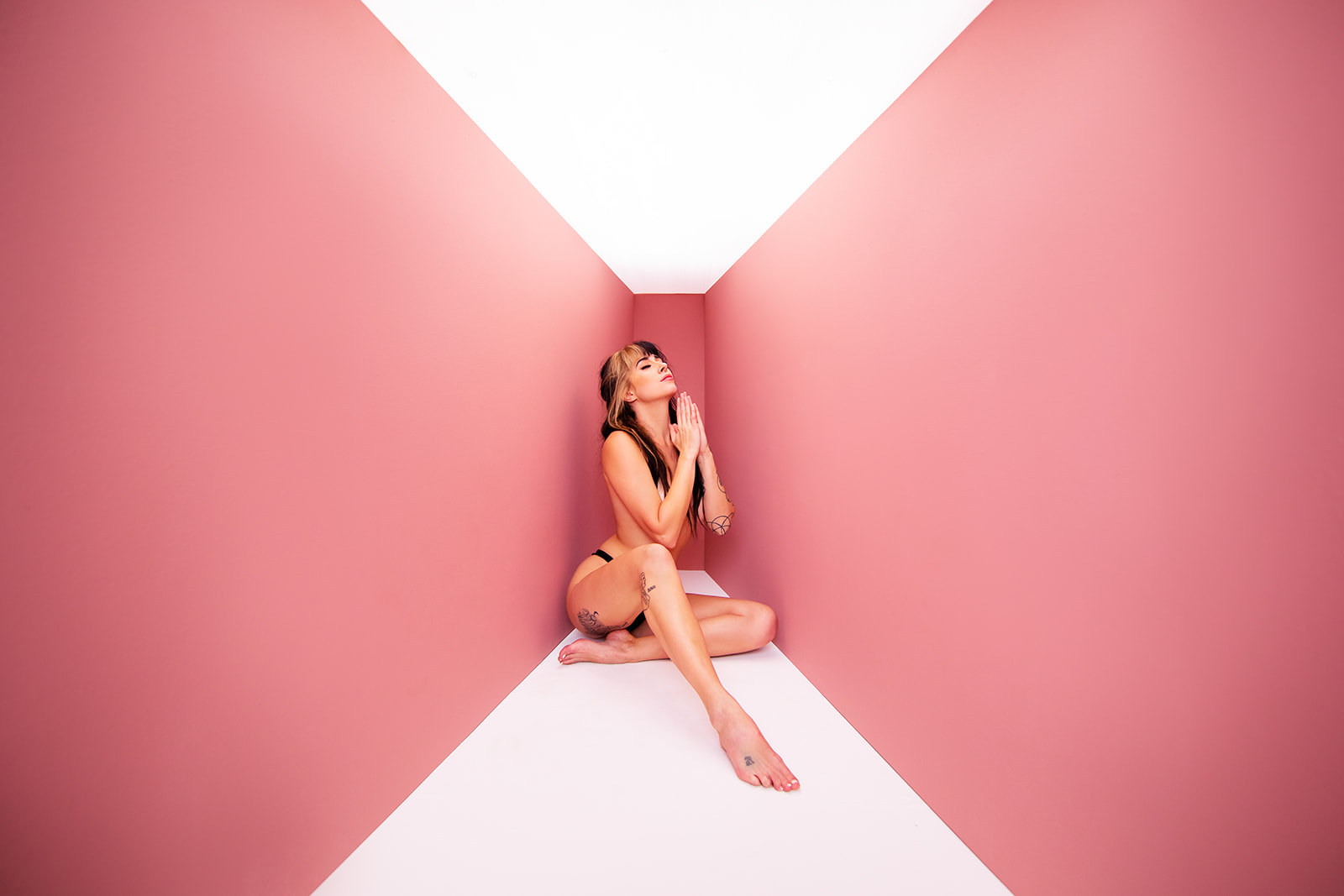
For this experiment, the human body became less about the person and more about shape, gesture, and movement.
As the layers of distortion built up, the figure began dissolving into color, light, and texture. The body became abstract. Instead of immediately recognizing a person, your eye has to wander through the frame before everything slowly comes together.
That moment of discovery was the entire goal.


The Final Images
Some of our favorite photographs come from asking questions we genuinely don't know the answer to.
This was one of those shoots.
We weren't trying to recreate a particular style or imitate a specific film stock. We simply wanted to see what would happen if we pushed prism lens fx filters far beyond the way it was intended to be used.


The result feels painterly, unpredictable, and entirely created in-camera. Every flare, streak, blur, and glow exists because light physically passed through seven layers of glass before it ever reached the sensor.
Sometimes the most interesting photographs don't come from having a perfect plan.
They come from being curious enough to try something that probably shouldn't work.
If you'd like to experiment with your own filter combinations, you can get 15% off anything on the Prism Lens FX website using our code JADAANDDAVID.