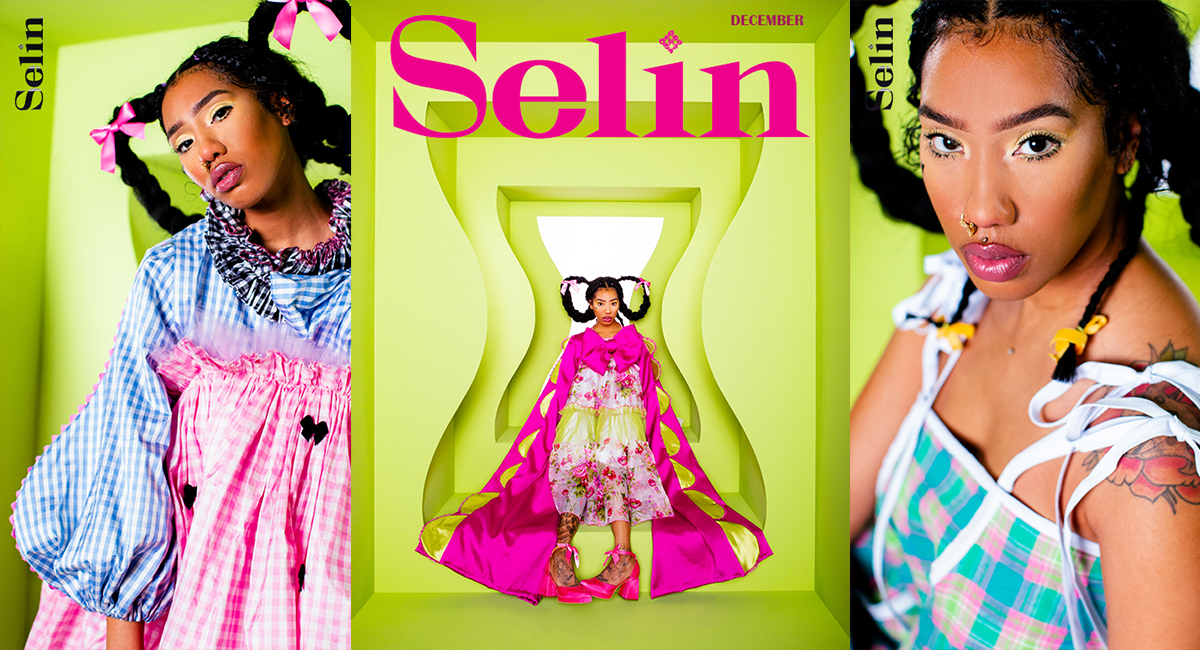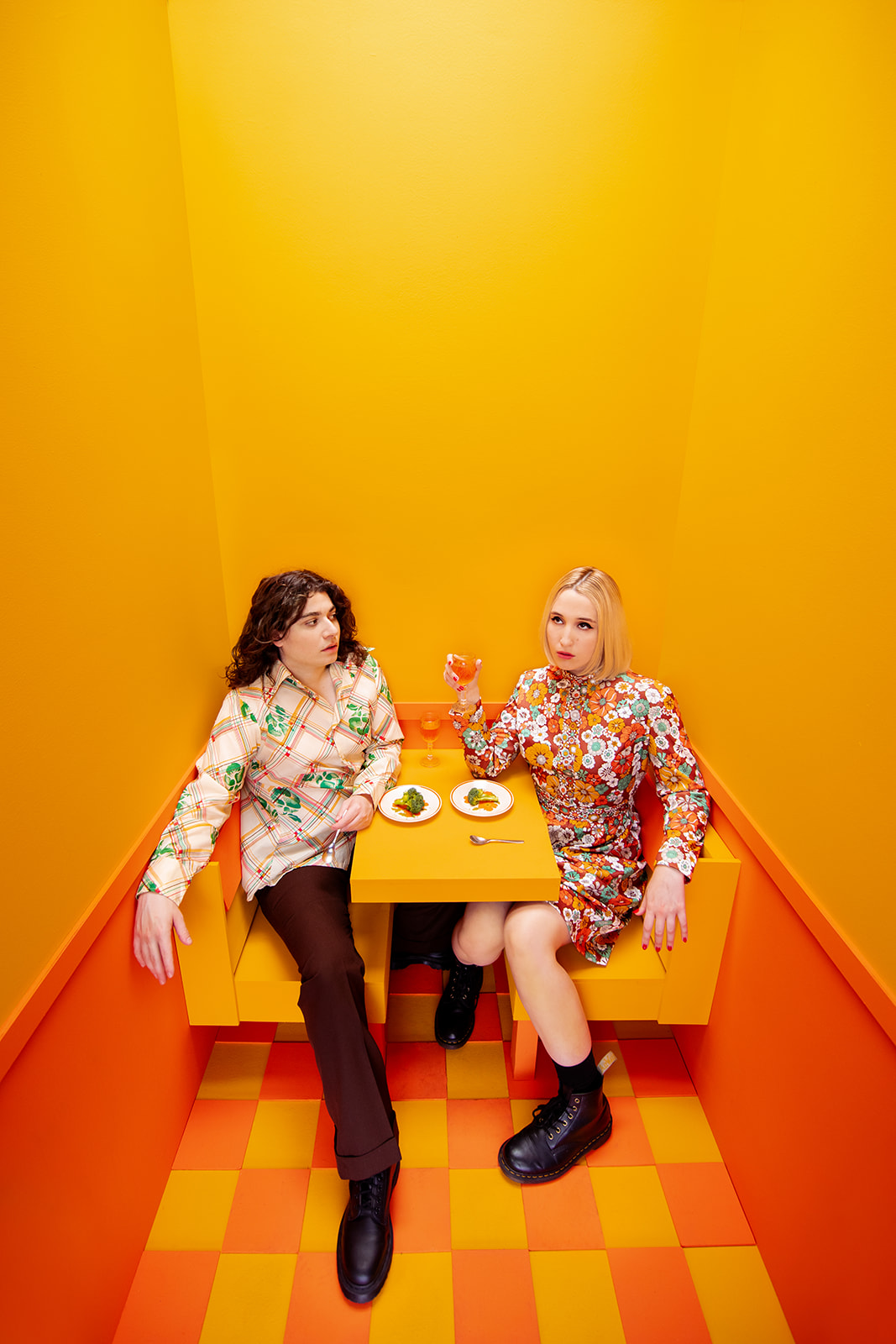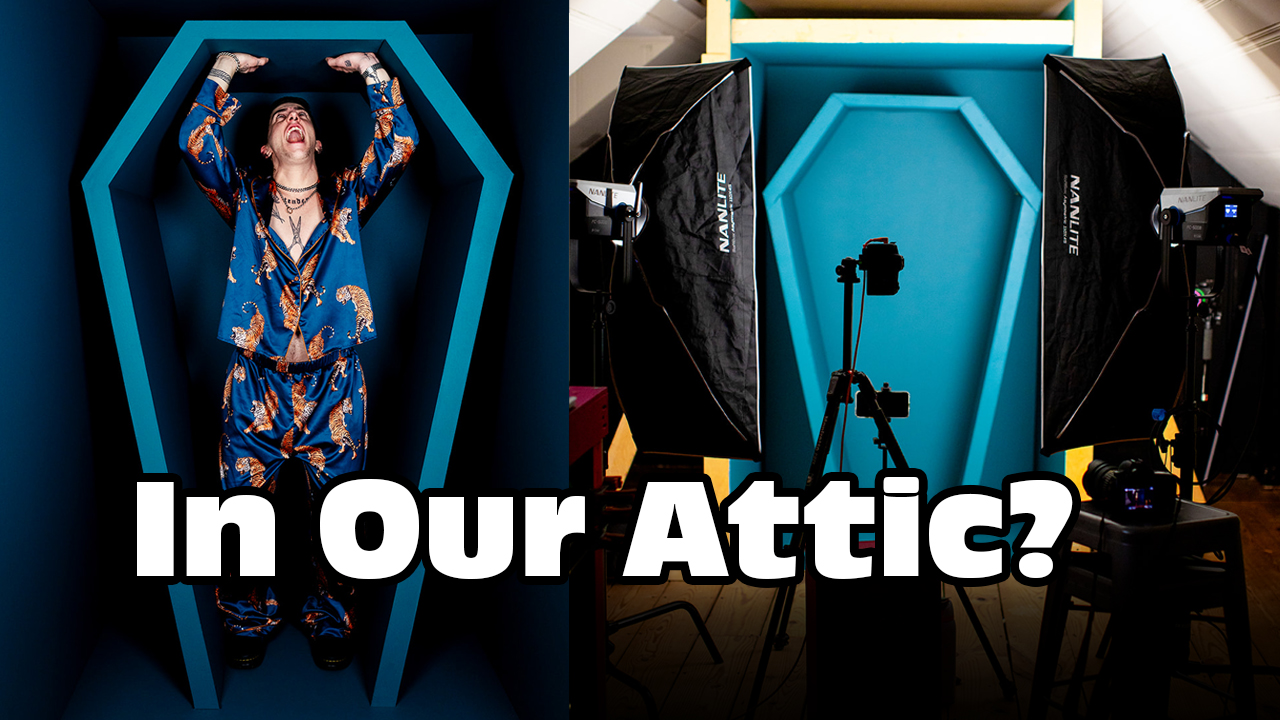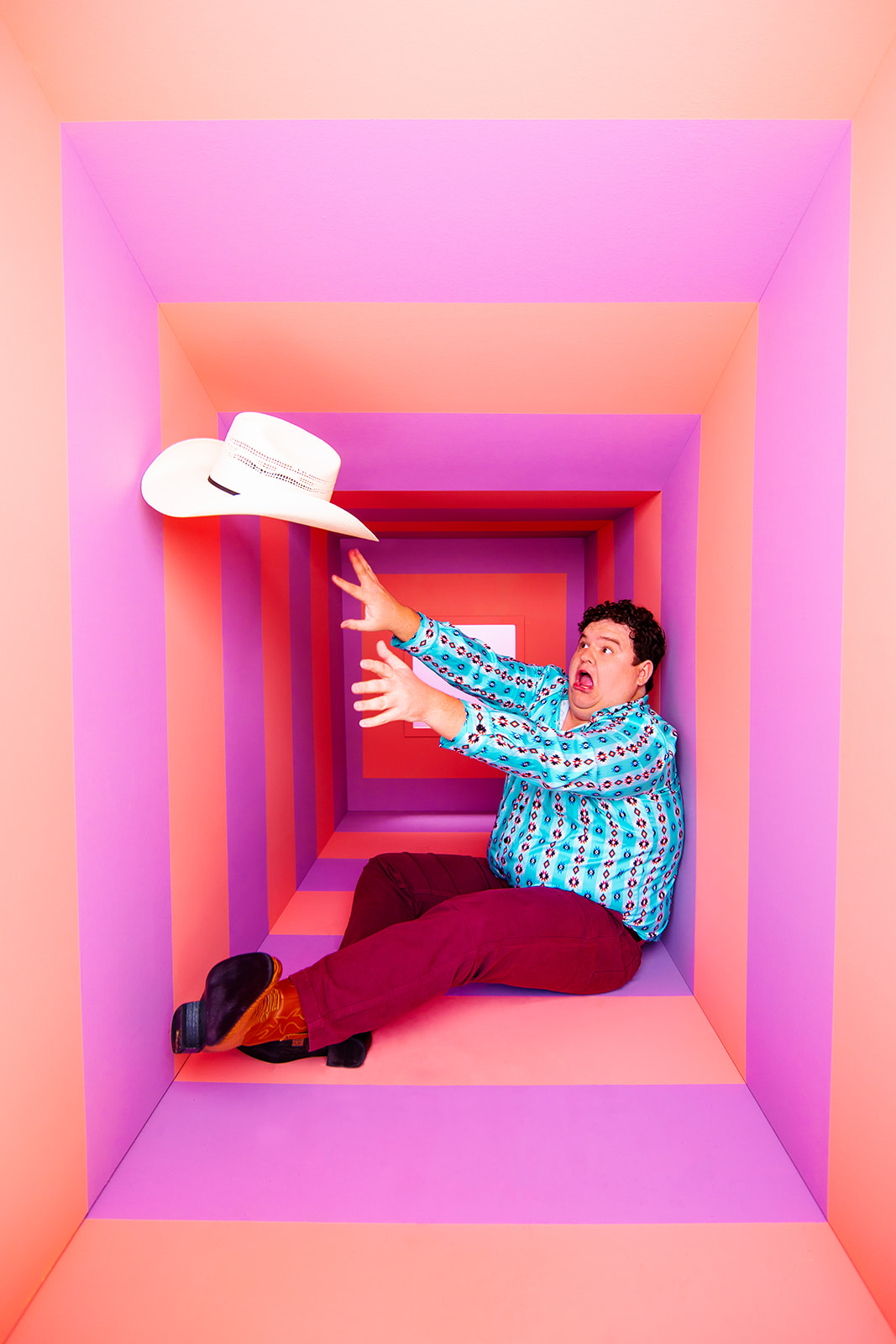

When we plan a photoshoot, lens choice isn't something we figure out right before we click the shutter. It's actually one of the very first design decisions we make. Because when you build custom photography sets from scratch, the focal length doesn't just change the perspective, it completely dictates how you have to construct the physical set.
We recently did an experiment inside our 400-square-foot attic studio using three incredible Sigma lenses:
-
Sigma 15mm F1.4 DG DN DIAGONAL FISHEYE
-
Sigma 135mm F1.4 DG
-
Sigma 28-105mm f/2.8 DG DN
We wanted to see exactly how each lens would interpret the same spaces. Seeing them side-by-side was a huge reminder of why focal length matters so much, especially when it comes to portrait photography and set design.
Designing for 15mm: The Sigma 15mm F1.4 Diagonal Fisheye

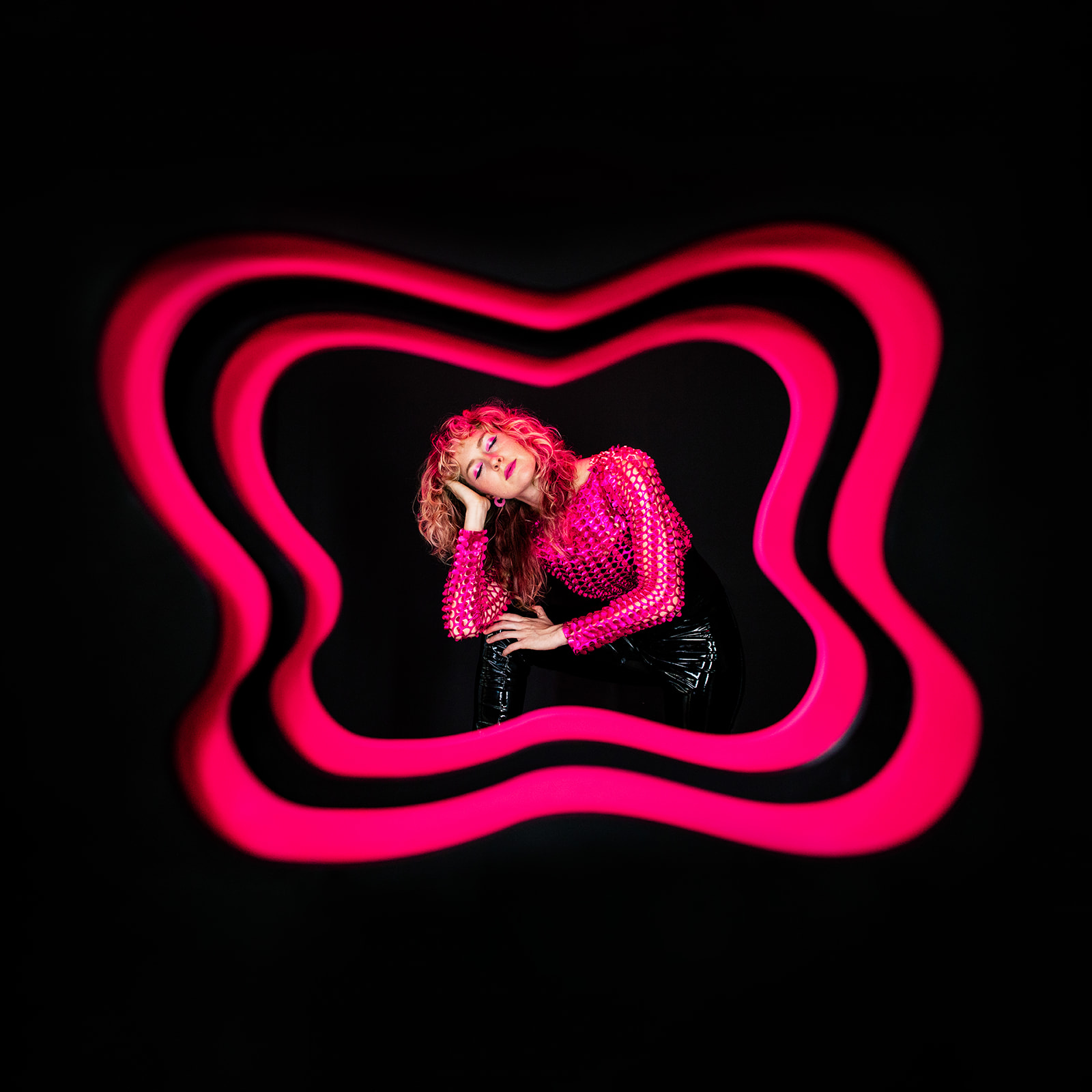
When you decide to photograph a set with a 15mm fisheye, you have to build knowing that there is nowhere to hide.
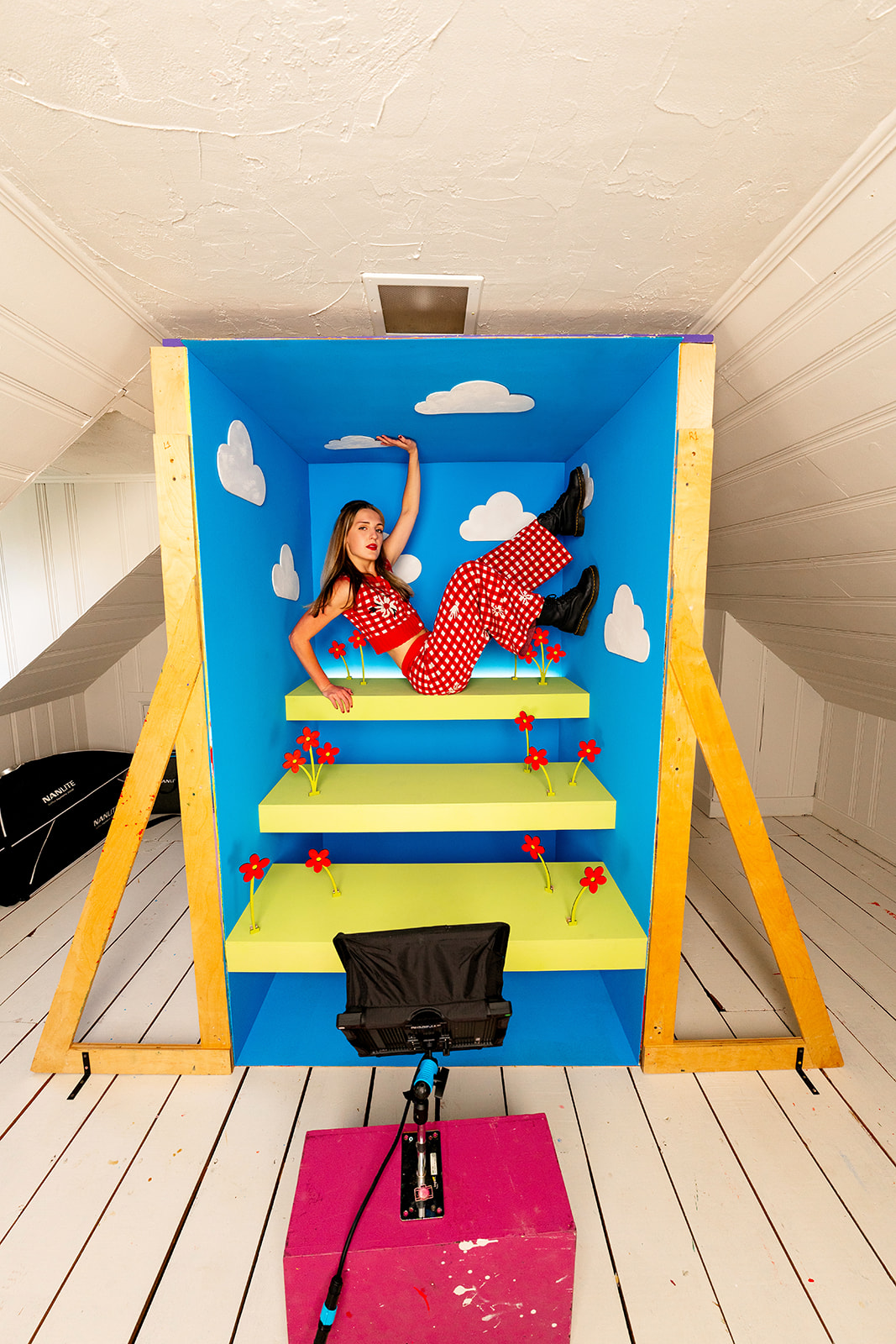
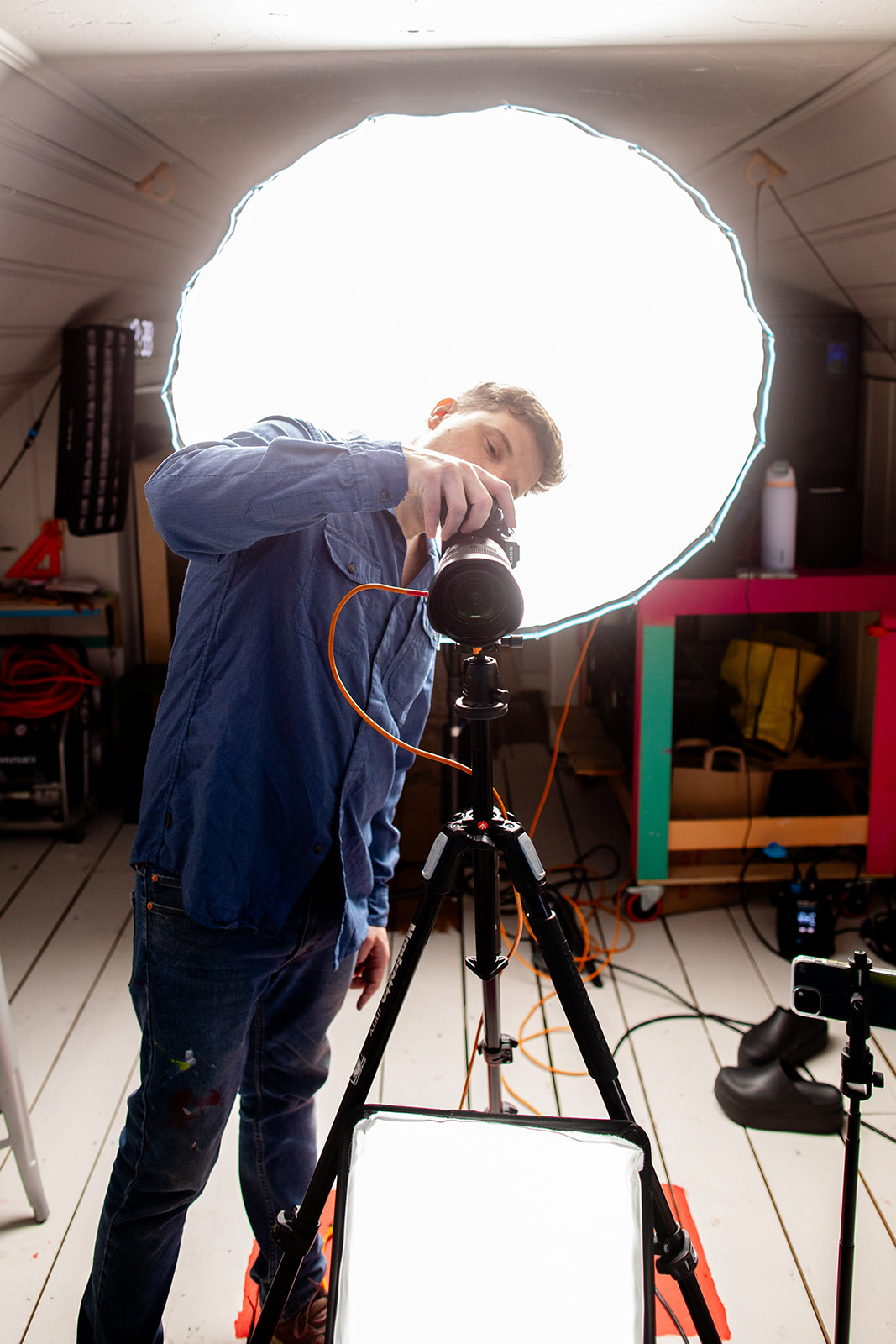
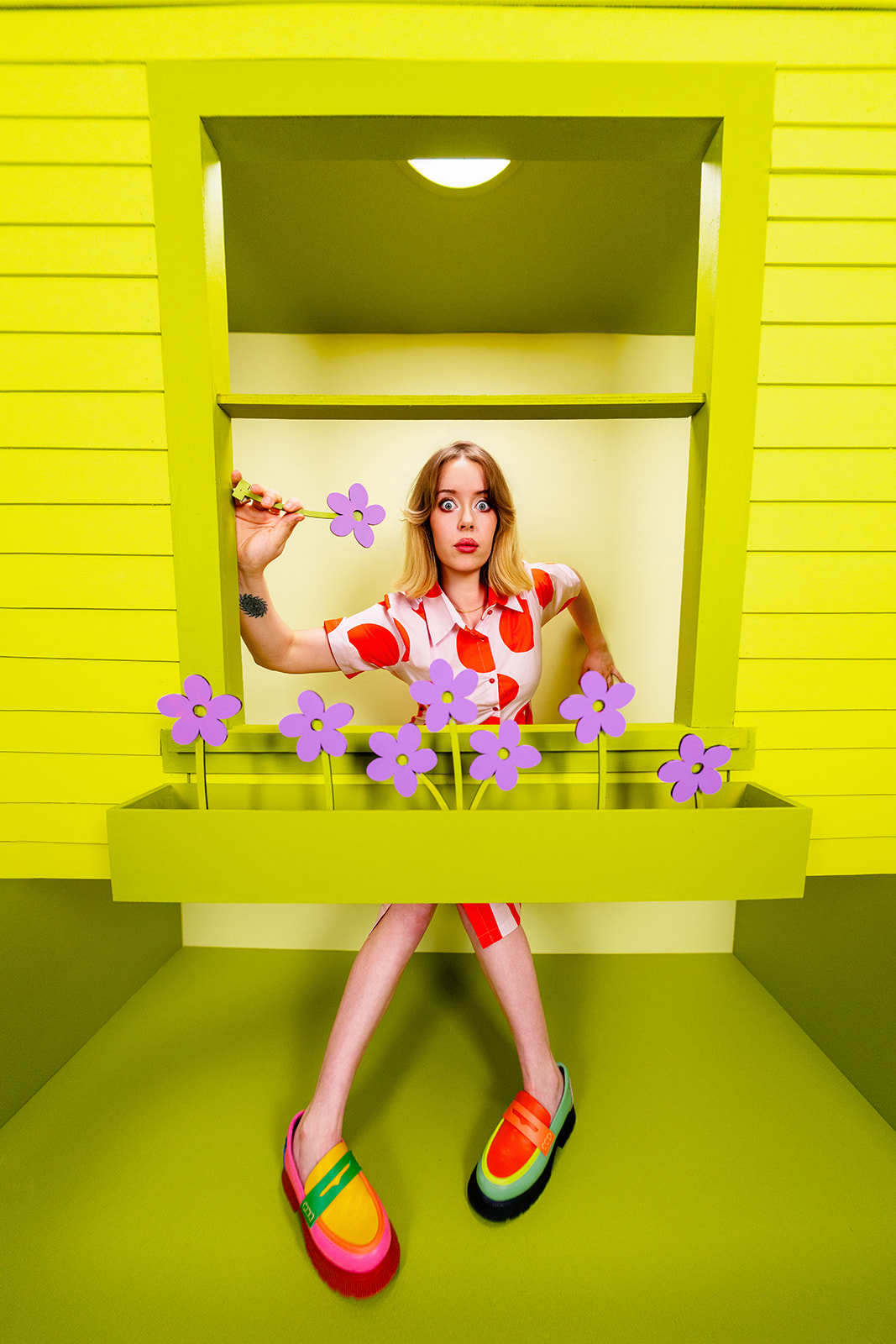
With a 180-degree angle of view, every single wall, prop, floorboard, and unpainted edge is going to be in the frame. In our tiny attic, this lens made the small sets look massive, but it meant we had to extend the build and finish every visible surface.
It also changed how I had to direct. Because the lens exaggerates whatever is closest to the camera, I had our models extend their arms and legs toward the lens. It added this playful, slightly surreal distortion that worked perfectly with the concepts we built, like our plywood dress shoot.
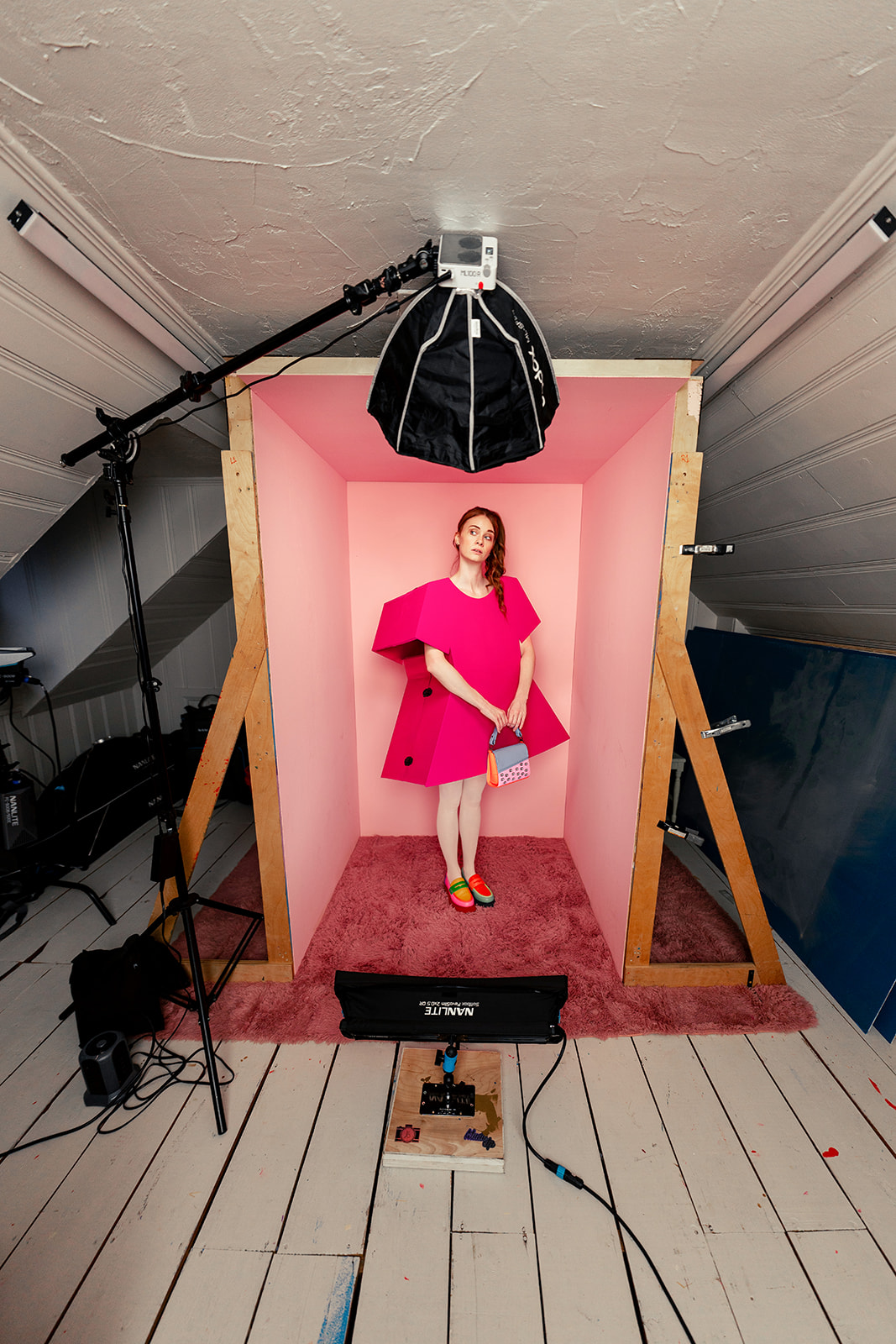

I was honestly surprised by how sharp it stayed even wide open at F1.4. It’s a specialized lens originally designed for astro photography, but it creates images that simply aren't possible with anything else.
Designing for Flexibility: The Sigma 28-105mm F2.8 Zoom
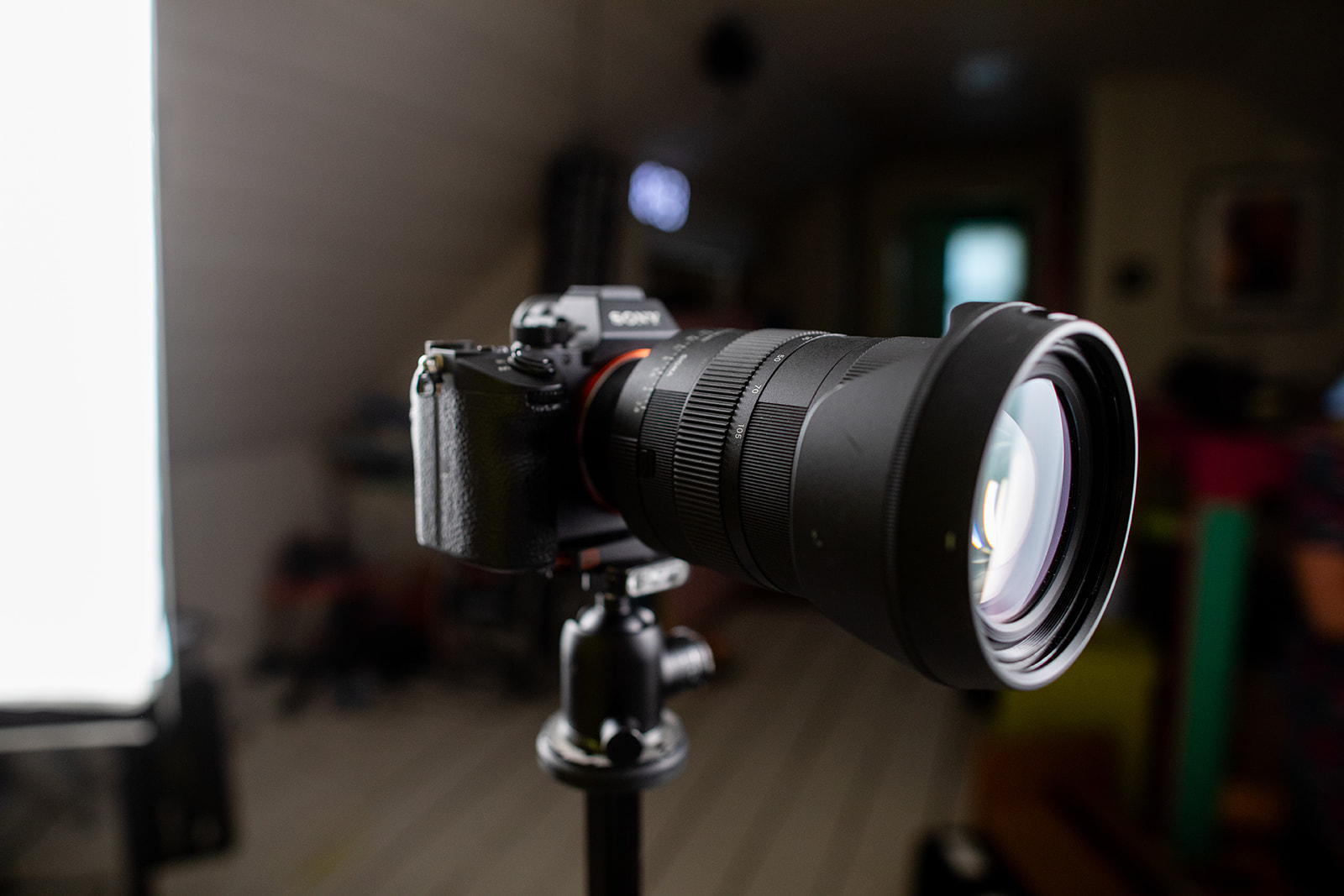
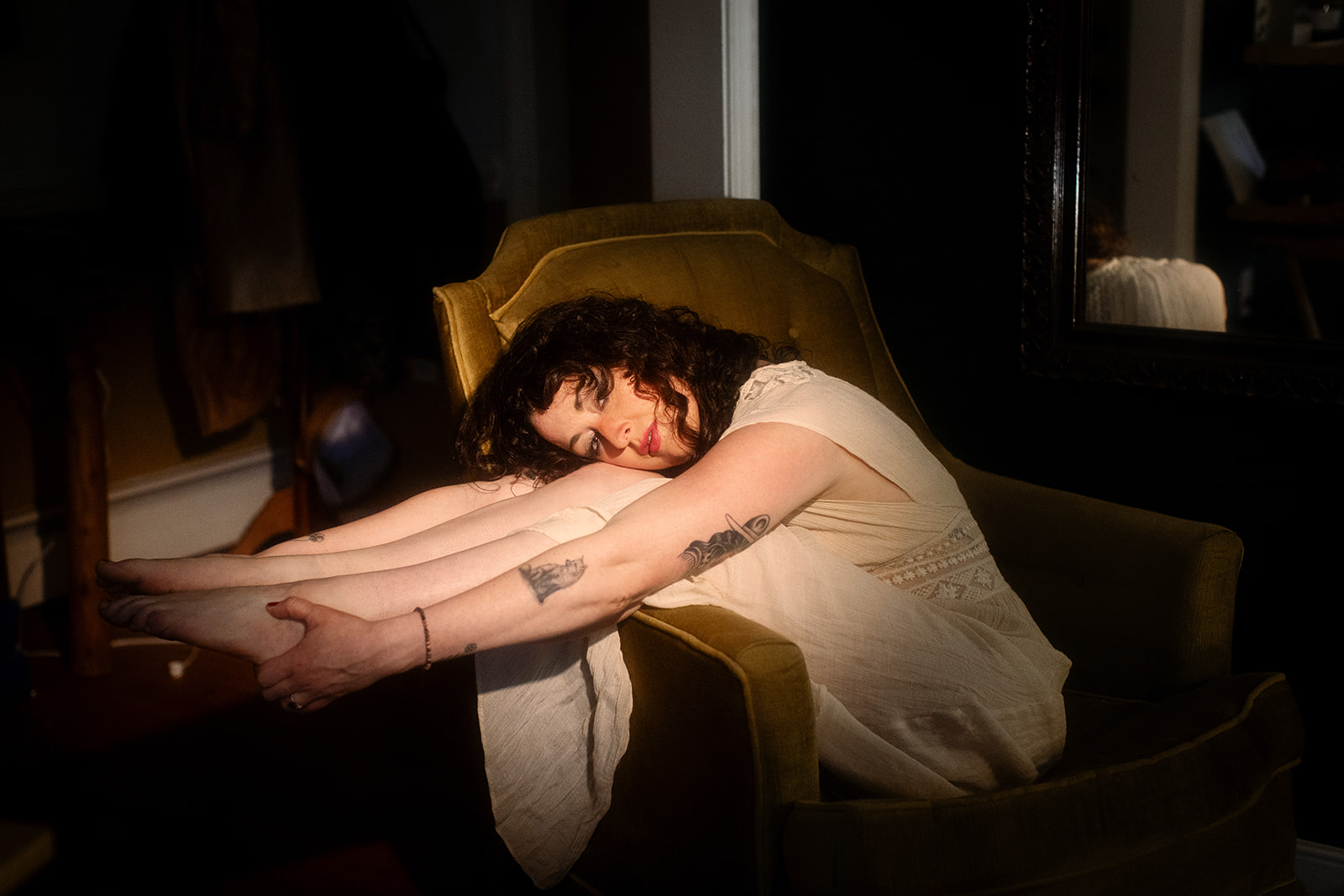
As set builders, we spend days constructing a single photo set, so we always want to get as much variety out of a build as possible. That’s where the 28-105mm came in.
Normally, getting a wide environmental portrait and a tight emotional crop requires changing lenses, which can break the flow of a shoot. This lens allowed me to stay completely agile. I could show off the full craftsmanship of the set at 28mm with normal, natural proportions, and then quickly zoom in to focus entirely on the model's expression.
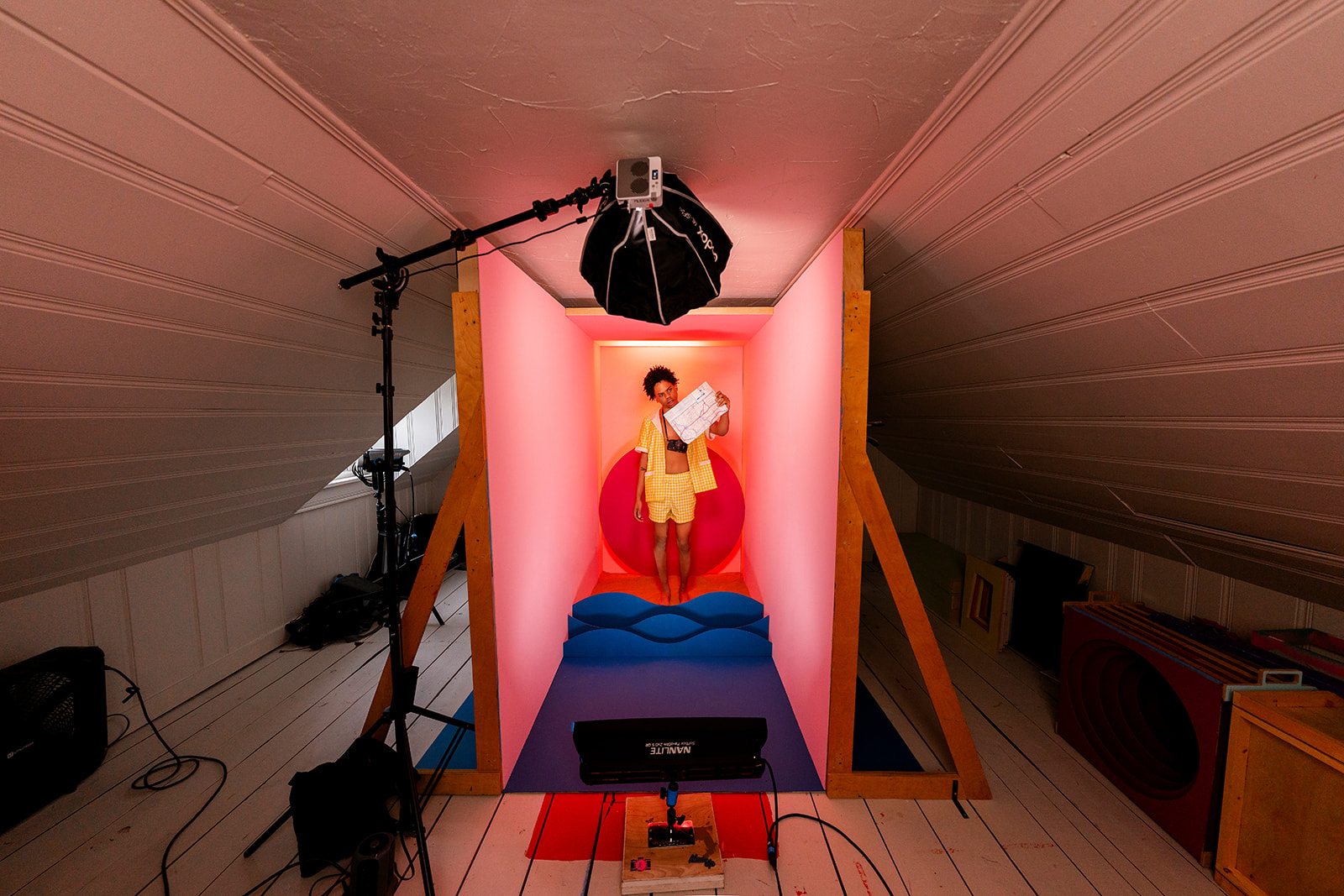
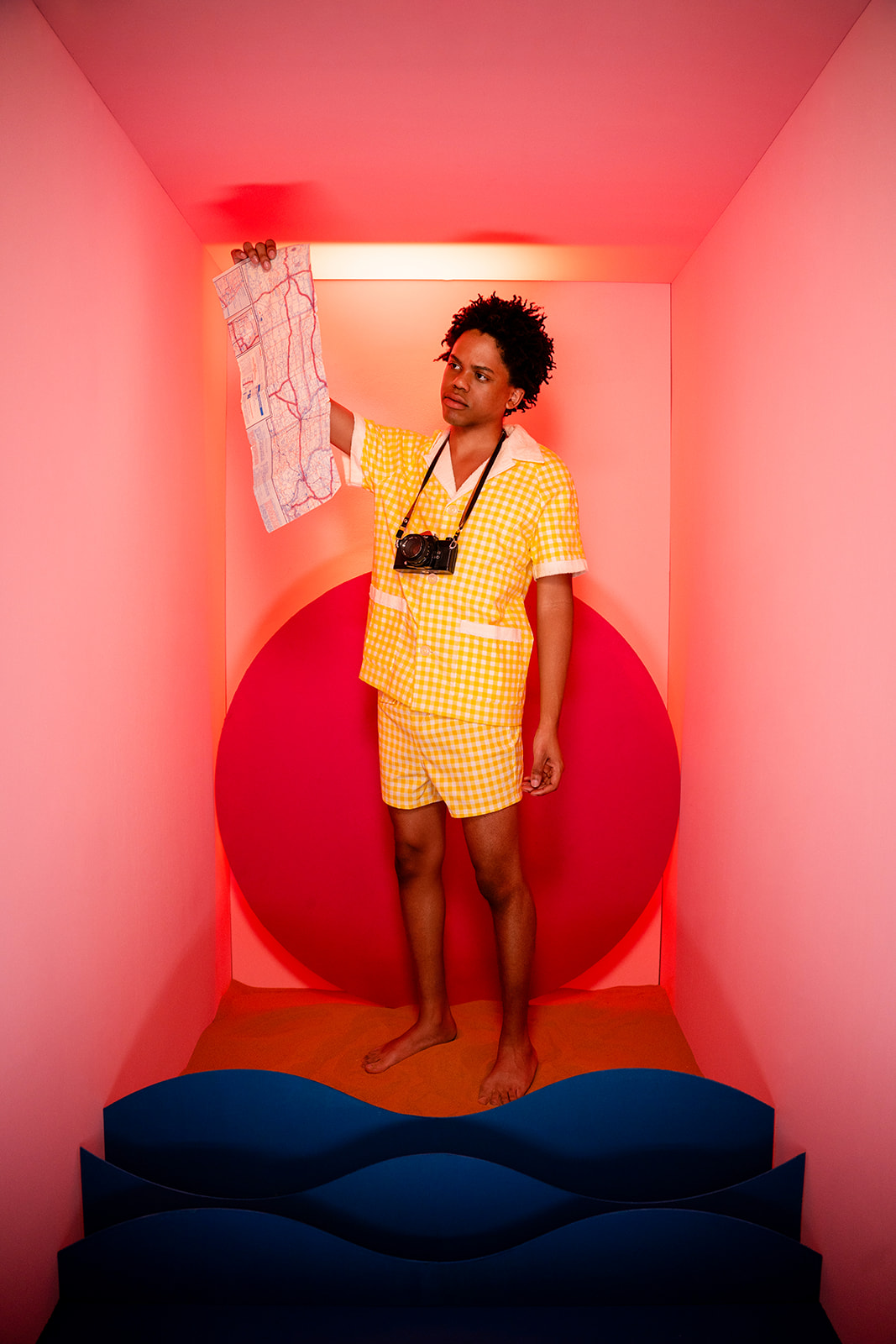

For a zoom with this kind of range, it felt light and really balanced to shoot with. If you want to maximize the life of a single set build during a shoot, this is the lens that makes it easy.
Designing for Compression: The Sigma 135mm F1.4 Prime

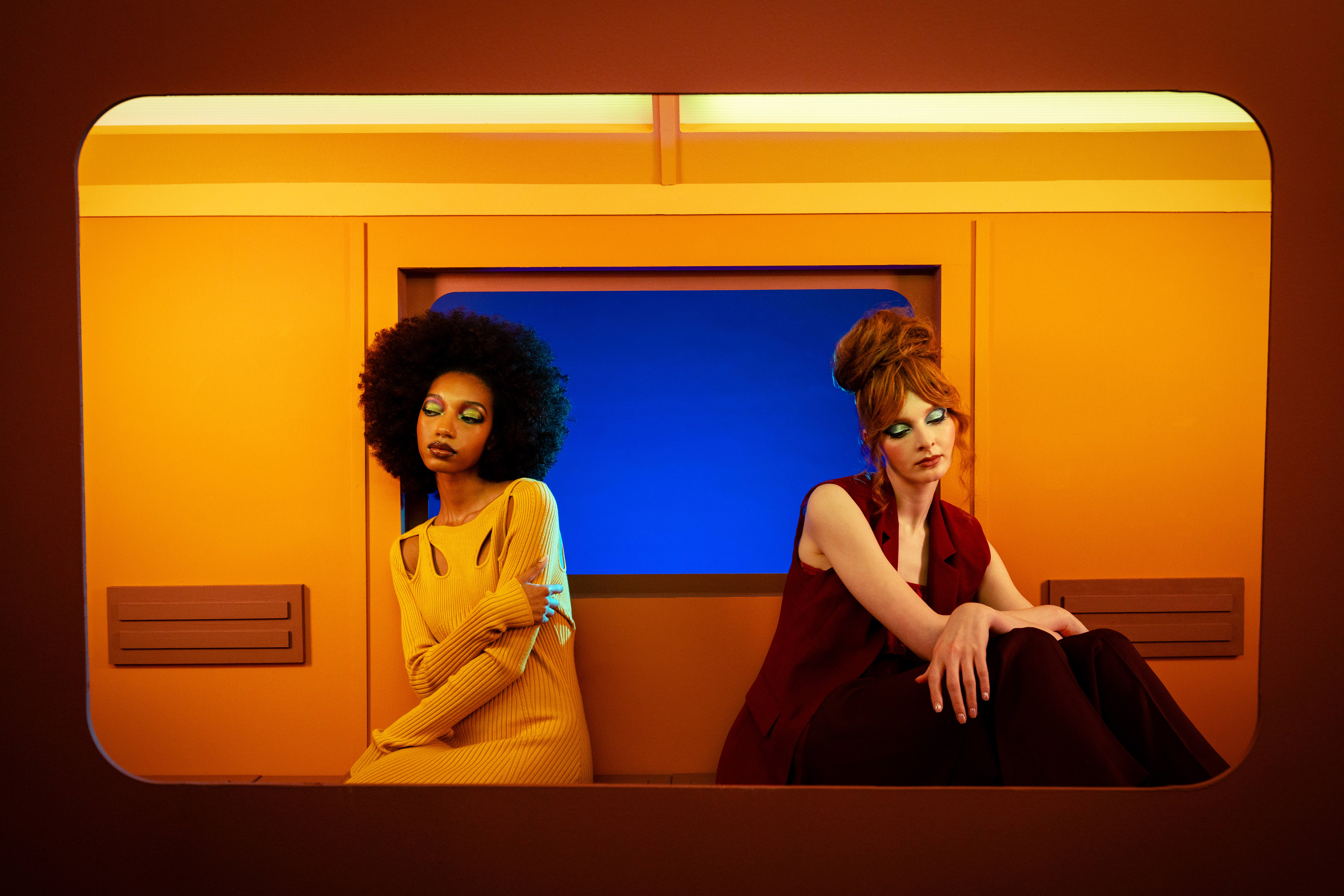
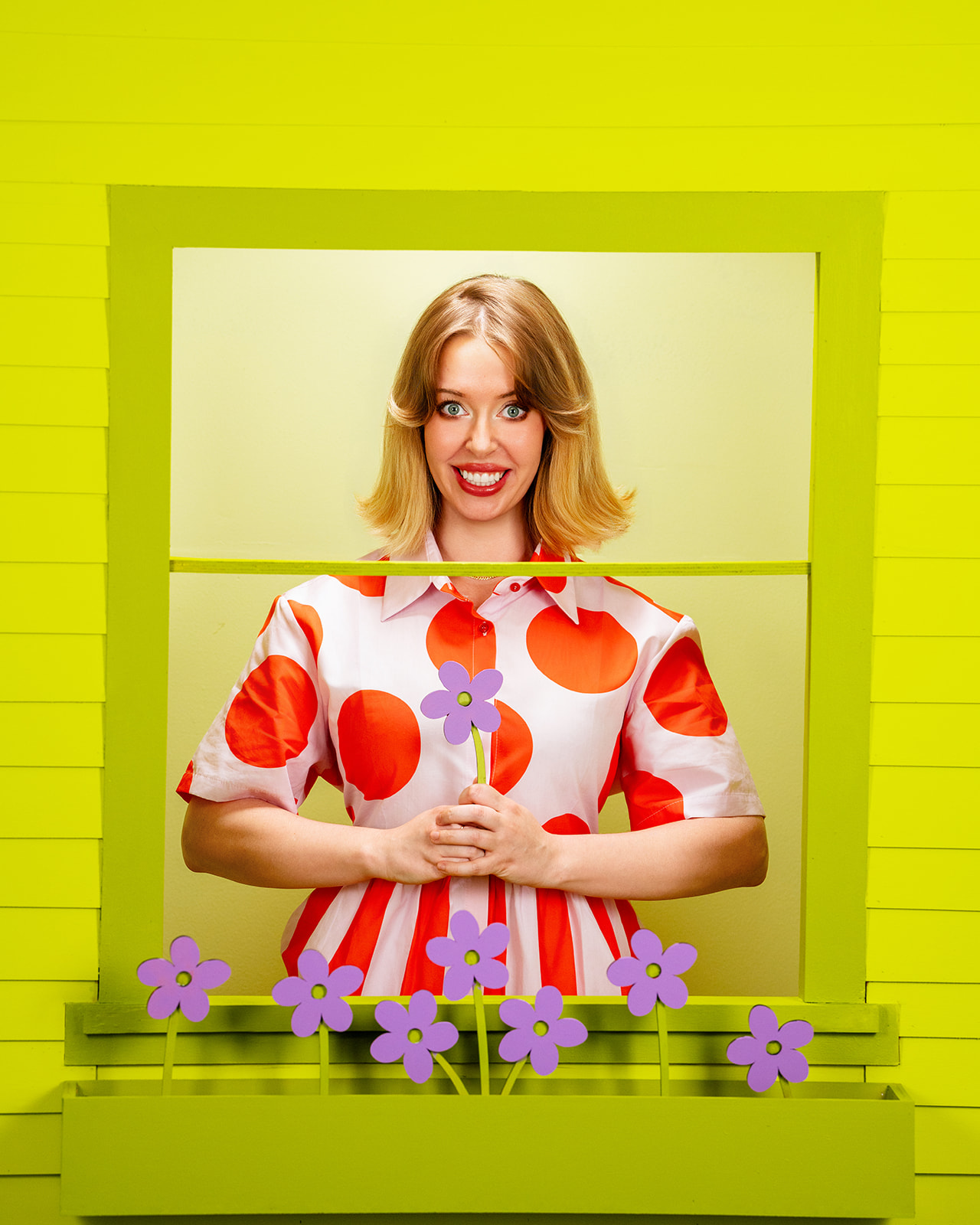
The 135mm is the exact opposite approach to the fisheye. While the 15mm requires you to build a massive, all-encompassing world, the 135mm allows you to build small and isolate.
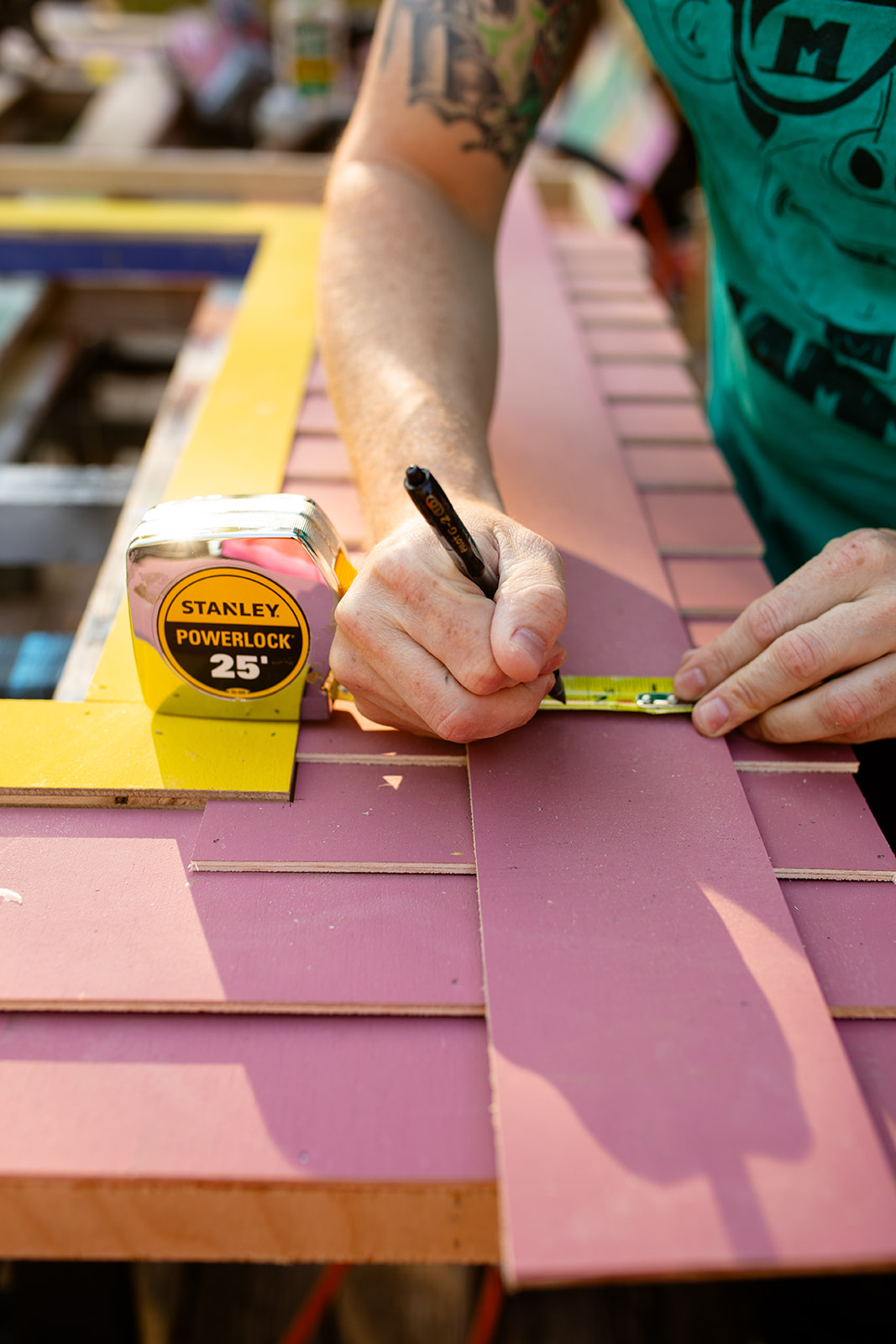

For our window and flower box scene, I had to back up all the way to the opposite wall of our attic just to frame the shot.
The image became much more intimate and cinematic. It proved that you don’t need a massive, elaborate build to get a high-end look; you just need to design a small section of the set perfectly and let the lens isolate the pieces that matter.

Focal Length Matters
Ultimately, this exploration showed us that lens choice isn't just a technical detail. It alters the scale, the mood, and the entire storytelling aspect of your portrait.
3 Questions to Ask Yourself Before Choosing Your Lens
Before you grab your tools, start painting, or set up your lighting, ask yourself these three simple questions to make sure your lens and your set are working together:
-
How much of the room do I actually want people to see?
If the answer is all of it, you’ll need a wide focal length AND you'll need to build a larger, more complete set because there will be nowhere to hide your studio gear or unpainted edges. If you only want to show a tight, isolated slice of the world, you can build much smaller and use a telephoto lens to compress the background.
-
What role should perspective play in the story?
Do you want the image to feel realistic and natural, or do you want to push the boundaries of reality? Wide lenses can stretch proportions and draw the viewer deep into a massive environment, while longer lenses compress the scene to create a quieter, flat, and cinematic feel.
-
How much variety do I need to pull from this single build?
If you have a limited amount of time with your model and want to capture everything from wide, full-body environmental portraits to tight, high-emotion crops without breaking the creative flow, a versatile zoom lens is going to save your shoot.
Thinking about these details before you build will save you a massive amount of trial and error once the camera is in your hand. Take a look at the concept you’re working on next, map out your focal length first, and see how much it changes your final image.
If you're getting into set design or looking to elevate your portrait work, start thinking about your focal length before you start setting up your scene. It really does change everything.